Journal
How to Strip Paint from Metal: Gates, Radiators and More
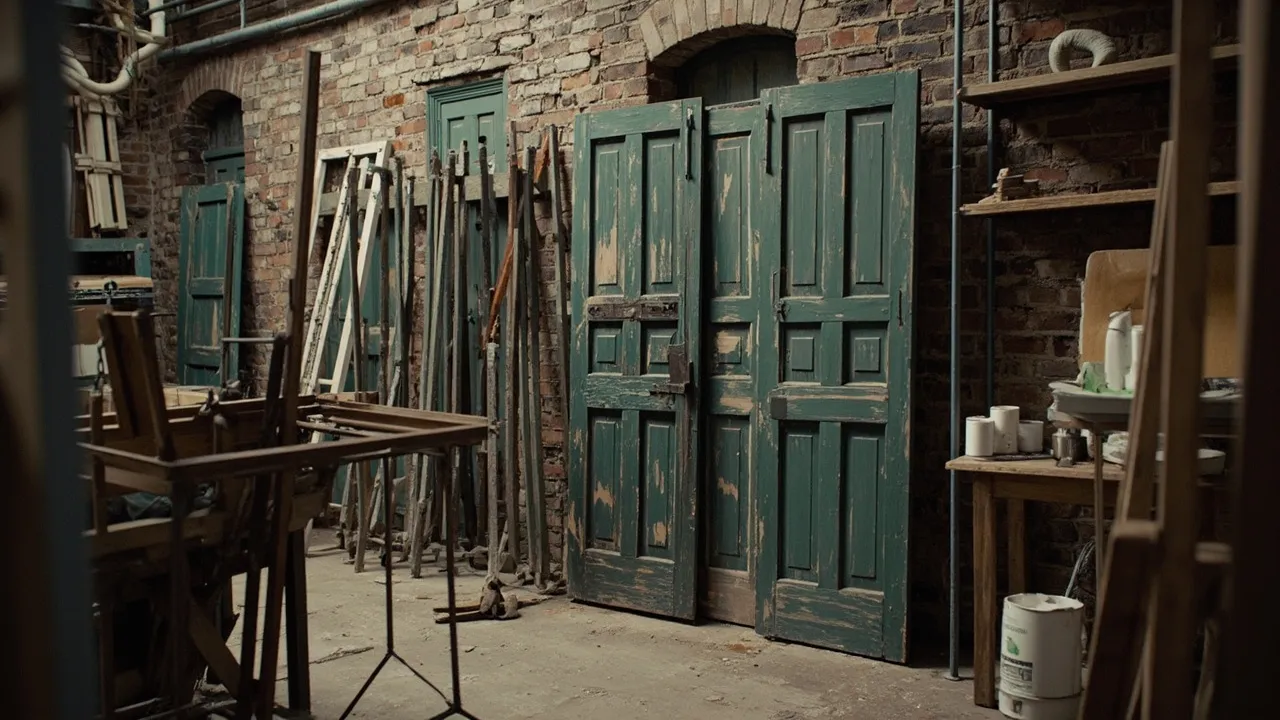
To strip paint from metal, match the method to the piece: a wire brush or sanding for small flat areas, a chemical stripper for detailed hardware, and workshop stripping to bare metal for gates, railings, radiators and fireplaces. Whatever you use, treat the rust straight away. At Double Dipper in Honley we strip metalwork every week.
- Flat, simple metal can be stripped at home with brushes, abrasives or a chemical stripper.
- Ornate cast iron traps paint in every scroll and joint, which is where workshop stripping earns its keep.
- Old paint may contain lead, so avoid dry sanding and burning it off.
- Bare iron and steel rust fast, so they need treating and finishing straight after stripping.
What are the ways to strip paint from metal?
There are four broad routes: mechanical, chemical, heat and professional stripping. Each has a place, and the right one depends on the shape of the piece far more than the type of paint.
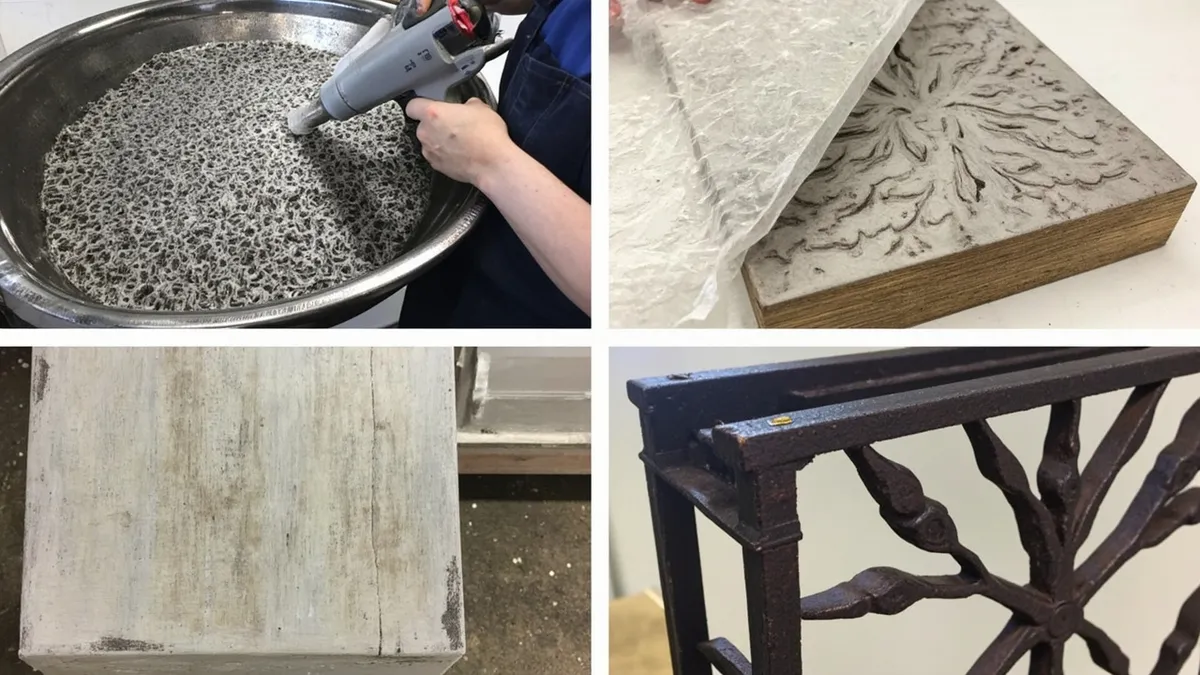
| Method | Suits | Main drawback |
|---|---|---|
| Wire brush, scraper, abrasive pads or discs | Flat bars, plain panels, touch-up areas | Can't reach detail; dust from old paint |
| Chemical stripper | Small hardware, hinges, handles, small castings | Several rounds on thick paint; messy rinsing |
| Heat | Occasional stubborn patches | Fumes from old paint; fire risk near timber |
| Workshop stripping to bare metal | Gates, railing panels, radiators, fireplaces, garden furniture | The piece has to come off and go to a workshop |
Old paint is the common thread. The HSE's frequently asked questions on lead warn that stripping old paint with blow lamps or gas torches and dry sanding it are among the riskiest jobs in pre-1980s properties, and a lot of period metalwork has been painted for well over a century.
How do you strip paint from metal gates and railings?
For plain modern gates, a wire brush, abrasives and a good primer may be enough. For Victorian or Edwardian ironwork with scrolls, collars, finials and castings, the paint is packed into every gap and DIY tools won't reach it. Taking the gate or railing panel off and stripping it to bare metal is the reliable route.
Gates also hide rust under layers of quick-fix black gloss, and painting over it just traps it. We cover this in detail in how to strip paint from metal gates and how to remove rust from cast-iron gates before repainting.
How do you strip paint from a cast-iron radiator?
Take it off the wall first. A radiator must be drained and disconnected by a plumber before it comes to us, and stripping one in place never gets between the columns or onto the back. Once it's off, stripping to bare metal removes paint, powder coat and old enamel from every face.
Our guides on how to strip paint from a cast-iron radiator and rust treatment for cast-iron radiators go through it step by step.
What about cast-iron fireplaces?
A painted cast-iron fireplace insert strips well once it's out of the chimney breast. Hot paint, soot and decades of coats fill the decoration, and heat or a wire brush on the wall spreads dust round the room. A cast-iron fireplace insert costs from around £90 to strip and refinish.
If your fireplace has tiles, they need removing or protecting before stripping. Read the best way to strip paint from a cast-iron fireplace for more, or see our cast-iron fireplace stripping service.
Got a gate, radiator, fireplace or bench covered in old paint? Send us a photo and we'll tell you the best approach and a price. Call 01484 666 333 or use our contact page.
How do you strip garden furniture and small hardware?
Cast-iron bench ends, table bases and chairs behave much like gates: lots of decoration, lots of trapped paint and usually rust underneath. Take off any wooden slats first, since they're handled separately, and send the metal parts to be stripped.
Small hardware is the one area where DIY often works well. Hinges, door handles, knobs, letterplates and window catches can be stripped at home with a chemical stripper, an old toothbrush and some patience. Work outside, wear gloves and eye protection, follow the label, and rinse and dry the parts thoroughly afterwards. If you're sending a door or a piece of furniture to us anyway, painted fittings can come too.
Why does rust treatment matter after stripping?
Because bare iron and steel start to rust almost as soon as they're exposed. Stripping often reveals rust that's been creeping under the paint for years, and if you paint straight over it the new finish lifts within a season or two.
Every piece of metal we strip is rust treated before it leaves the workshop. If you're stripping something yourself, remove loose rust back to sound metal, treat what's left, and get a primer or finish on quickly, ideally the same day and in dry weather.
What finish should stripped metal have?
It depends on where the piece lives and the look you want. We offer five finishes on stripped metal:
- Bare metal: for those who want to finish it themselves or have it painted on site.
- Clear lacquer: shows off the metal while protecting it, best indoors.
- Waxed black: a traditional soft finish for fireplaces and indoor ironwork.
- High-temperature enamel: for pieces that get hot, such as fireplaces and radiators.
- Oil gloss: a hard-wearing colour finish, a good choice for gates and outdoor metalwork.
For indoor pieces, our guide on painting a cast-iron fireplace covers the options in more depth.
When should you send metalwork to a workshop?
When the piece is decorative, heavily painted, rusty or simply big. Gates, railing panels, radiators, fireplace inserts and cast-iron furniture are almost always quicker and better stripped to bare metal in a workshop than scraped at home. Larger pieces such as fireplaces, radiators and metalwork usually take 2–3 weeks.
We strip wood and metal only; we don't strip uPVC, composite or laminate. See our metal gate stripping and cast-iron radiator stripping pages for what's included.
Frequently asked questions
Can you remove powder coating from metal?
Yes. Along with paint and old enamel, powder coat is removed in the workshop to leave bare metal, which is then rust treated.
Is it safe to sand old paint off metal?
Dry sanding old paint is one of the riskier jobs, because paint on period metalwork may contain lead. If you must abrade it, keep it damp, work outside and clean up carefully, or send the piece to be stripped instead.
Do I need to take a gate off its hinges?
Yes, to strip it properly. A gate or railing panel needs to come off so every face, joint and scroll can be reached and treated.
Get a quote from Double Dipper
Double Dipper is a paint stripping workshop at Unit 3, Crossley Mills, Honley, Huddersfield, stripping wood and metal since 2016, and we're members of the Guild of Master Craftsmen. Metal leaves us stripped to bare metal and rust treated, in the finish you choose.
- Free collection within 20 miles of Honley, covering Huddersfield, Holmfirth, Halifax, Wakefield, Leeds, Bradford and Barnsley.
- Further away? Drop off at the workshop, send smaller items by overnight courier, or ask us to quote a van collection.
- See finished work in our gallery.
Call 01484 666 333, email info@doubledipperpaintstrippers.co.uk or send a photo through our contact page. We're open Monday to Friday 9–5 and Saturday 10–2.
