Journal
How to Strip Paint from Metal Gates and Railings
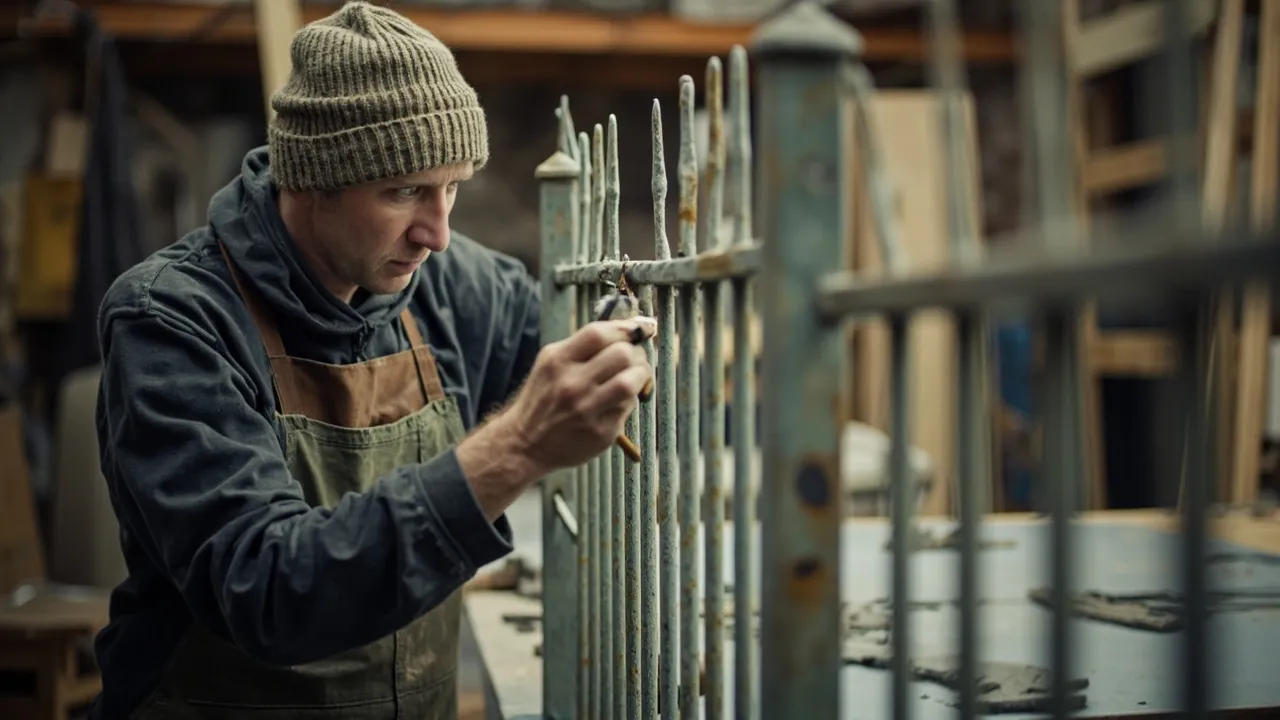
To strip paint from metal gates and railings you can wire-brush, sand or use chemical stripper, but ornate ironwork has too much detail for DIY to get it all. The reliable route is stripping to bare metal in a workshop. Double Dipper strips gates and railing panels in Honley and treats the rust before they come home.
- DIY stripping works on flat bars. Scrolls, collars, finials and castings trap paint that brushes and discs can't reach.
- Old paint on gates and railings may contain lead, so avoid dry sanding and burning it off.
- Bare steel and iron start to rust quickly, so they need treating and protecting straight after stripping.
- We remove paint, powder coat and old enamel to bare metal, treat the rust and can finish in lacquer, waxed black or oil gloss.
Why is stripping paint from metal gates so hard?
Because decorative ironwork is almost all corners. A plain flat panel is easy enough, but a Victorian or Edwardian gate has scrolls, twisted bars, collars where bars meet, cast finials and rosettes. Each one holds paint in the gaps, and after decades of repainting those gaps are packed solid.
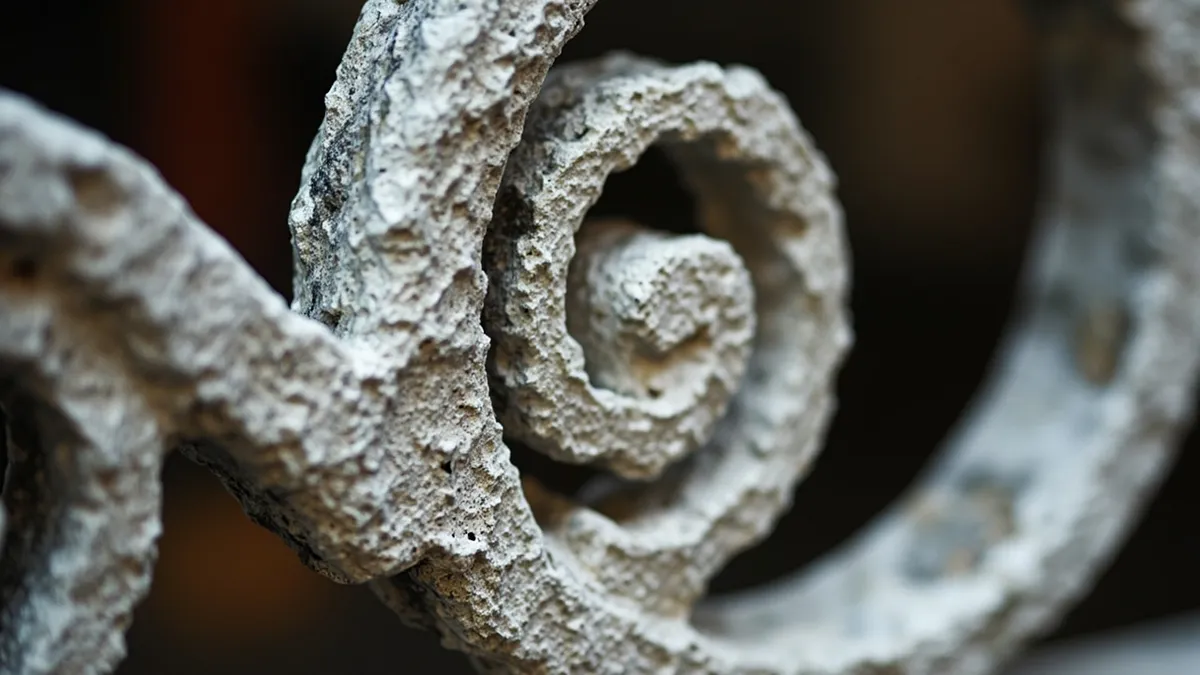
Gates and railings also tend to have the thickest paint of anything on a house. They sit outside, they get knocked, they start to rust, and the quick fix has always been another coat of black gloss. Underneath the top coat, there's often a mix of old paint, rust and flaking primer. Painting over that again just traps the rust, and it comes back through within a season or two.
What are the DIY ways to remove paint from metal?
There are four common DIY approaches, and each has limits on ironwork:
- Wire brushes and wire wheels. Fine for loose, flaking paint and surface rust on flat bars. They polish sound paint rather than removing it, and they can't get into tight scrolls.
- Abrasive discs and sandpaper. Quick on flat surfaces, but they round off crisp edges and detail, and they turn old paint into dust.
- Chemical strippers. Better at getting into detail, but slow and messy outdoors, and several coats are usually needed on thick build-up. Always follow the label.
- Heat. Softens paint, but metal spreads the heat, so it's slow, and heating old paint can give off fumes.
Specialist abrasive blasting is another option, but it's not a garden job and it can be harsh on thin or delicate castings.
For a single plain gate with only a couple of coats, careful DIY is realistic. For a heavily painted, decorative gate, most people end up with paint left in the detail and a sore wrist.
Is old paint on gates and railings a lead risk?
It can be. Old paint on external ironwork is often decades old, and older paints may contain lead. The Health and Safety Executive lists dry sanding old paint and stripping old paint with blowlamps or gas torches among the jobs that put people most at risk of lead exposure, in its frequently asked questions on lead.
That matters for gates, because the obvious DIY tools are sanders, wire wheels and heat. Outdoors doesn't make the dust harmless: it ends up on paths, in soil and on clothing. If the gate is old and heavily painted, it's safest to assume there could be lead and choose a method that doesn't create dust or fumes. If you're worried about exposure, speak to your GP or NHS 111. Our article on safely stripping lead paint covers the same principles for doors.
What happens to rust after stripping?
It shows up fast. Once paint is gone, bare steel and iron are exposed to moisture, and a light orange bloom of rust can appear within days if the metal is left unprotected. Stripping also reveals the rust that was hiding under the paint, which is often more than you expected.
That's why we treat rust before anything leaves the workshop, and the metal is finished or protected so it goes home ready. If you're doing it yourself, the key is not to leave bare metal sitting outdoors. Our guide on how to remove rust from cast-iron gates before repainting goes into this in more detail.
Got a gate that's more paint than iron? WhatsApp a photo, or call Daniel on 01484 666 333. Tell us roughly how big it is and we'll give you a price and a date, usually within a day or two.
How does Double Dipper strip metal gates and railings?
The gate or railing panel comes into the workshop, and we take it back to bare metal. That includes paint, powder coat and old enamel, and it reaches the scrolls, collars and castings that hand tools miss. Detail is finished by hand. Then the rust is treated before it leaves.
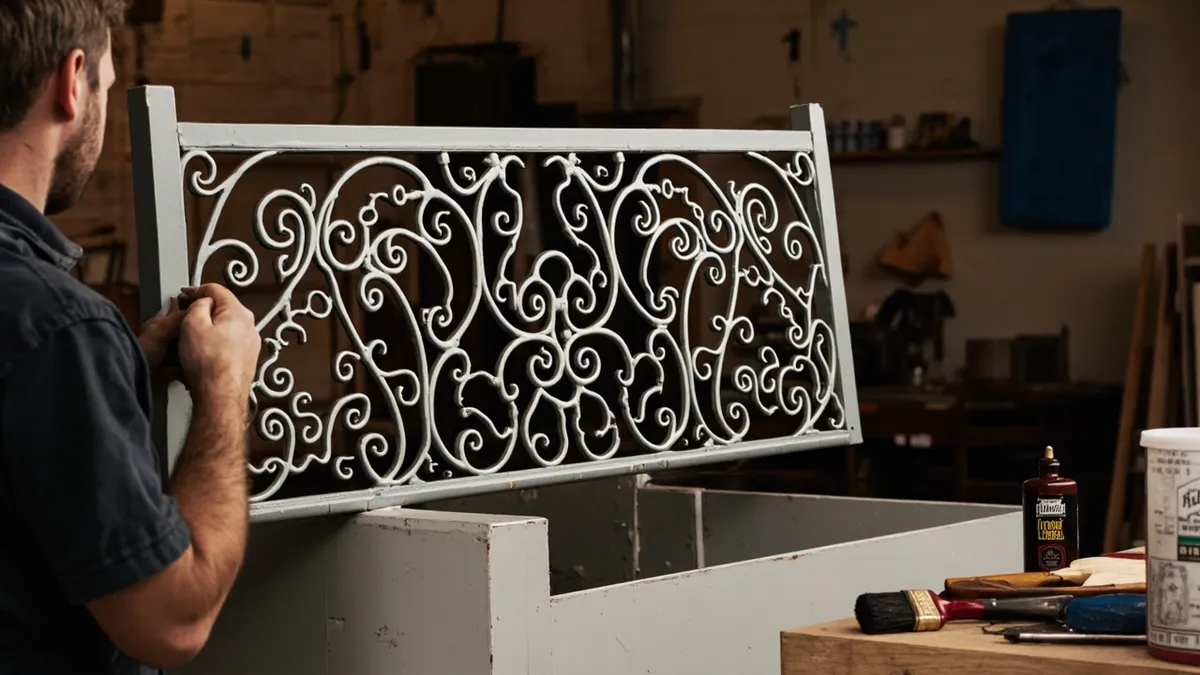
You can have it back in one of these finishes:
- Bare metal, if you or your painter want to prime and paint it yourselves.
- Clear lacquer, to show off the metal itself.
- Waxed black, for a traditional, low-sheen look.
- Oil gloss, for the classic painted gate.
We also offer high-temperature enamel, though that's mainly for fireplaces rather than gates. Full details are on our metal gate stripping service page. If you'd rather do the painting, see the paints in our shop.
What about railings that can't come off?
We can only strip what can be brought to the workshop. Gates usually lift off their hinges, and many railing runs are made of panels that unbolt. Railings that are set into stone copings or walls are a different matter. They'd need a metalworker to remove them safely, and it isn't always worth the disturbance. Get advice before cutting anything out, especially on an older or listed property.
A common compromise is to send the gate and any removable panels to us, then have the fixed sections cleaned and repainted where they stand. The gate is usually the part people see and touch most, so it's where stripping makes the biggest difference.
How long does it take and how do I get it to you?
Larger metal pieces such as gates and railings usually take 2–3 weeks. Because sizes and detail vary so much, gates are quoted per job; send a photo and rough measurements.
Collection is free within 20 miles of our Honley workshop, which covers Huddersfield, Holmfirth, Halifax, Wakefield, Leeds, Bradford and Barnsley. From further away, such as Sheffield or Manchester, you can drop off at the workshop or we'll quote a van collection. We strip wood and metal only, so we can also take on cast-iron fireplaces and radiators from the same house.
Frequently asked questions
Can you remove powder coating from a gate?
Yes. We remove paint, powder coat and old enamel back to bare metal, then treat any rust underneath.
Should I use a wire wheel on a cast-iron gate?
Go gently. Cast iron is more brittle than steel, and castings can crack if they're knocked or levered. A wire wheel is fine on loose flakes, but it won't clear packed paint from detail, and it throws dust about.
Will the rust come back?
All iron and steel will rust again eventually if left exposed. Treating the rust properly and protecting the metal straight after stripping gives the finish its best chance.
Get a quote
Double Dipper is a Guild of Master Craftsmen member, trading from Unit 3, Crossley Mills, Honley, HD9 6PL since 2016.
- Call 01484 666 333 (Monday to Friday 9am–5pm, Saturday 10am–2pm) or email info@doubledipperpaintstrippers.co.uk.
- Send photos and rough measurements through our contact page.
- See our finished work in the gallery.
