Journal
Painting a Cast Iron Fireplace: Paint, Black or Bare Metal?
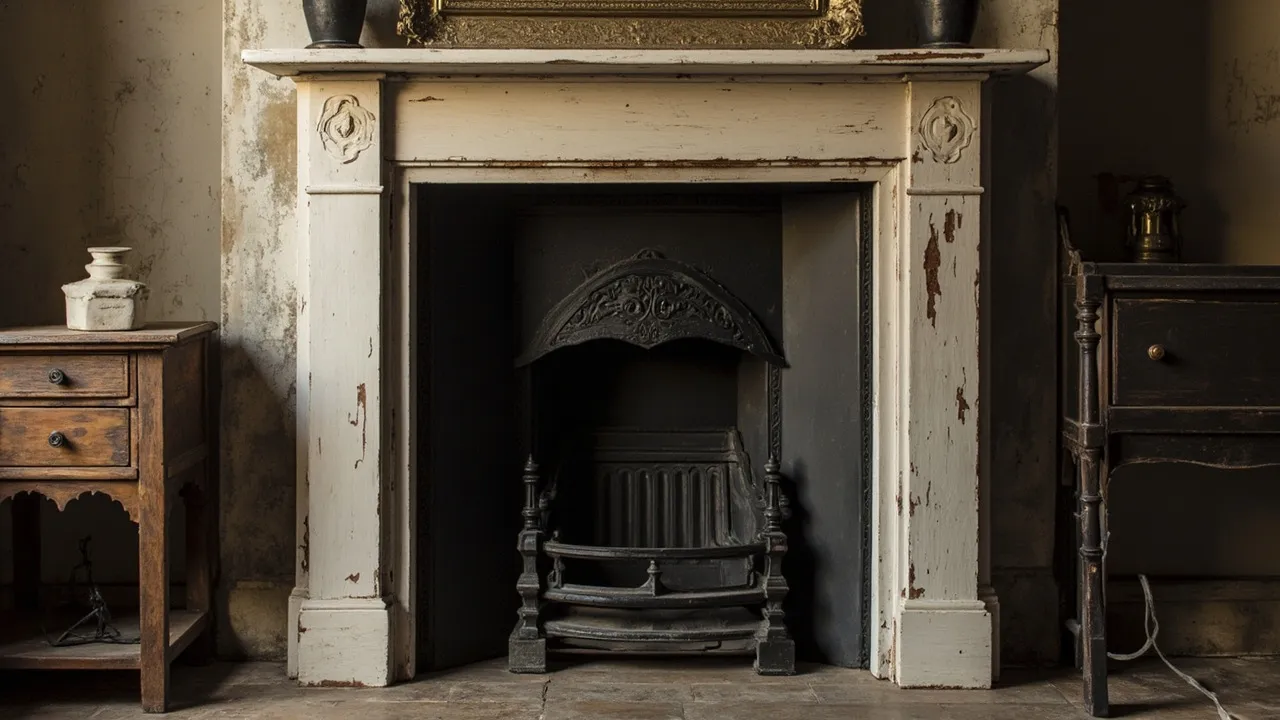
You can paint a cast-iron fireplace, black it or leave it as bare metal, but the finish only lasts if it goes on to clean, stripped, rust-treated iron. At Double Dipper we strip fireplaces to bare metal, then finish them in waxed black, clear lacquer, high-temperature enamel or oil gloss. The right choice depends on whether you'll light a fire.
- For a fireplace you'll use, high-temperature enamel or a traditional waxed black are the practical choices.
- For a decorative fireplace, oil gloss in a room colour or clear lacquer over bare iron both work well.
- New paint over old flaking paint or rust fails quickly. Strip first, treat the rust, then finish.
- Stripping and refinishing a cast-iron insert costs from around £90 and usually takes 2–3 weeks.
Can you paint a cast-iron fireplace?
Yes, but the paint has to suit the heat, and the iron has to be properly prepared. Most painted fireplaces that look bad weren't painted badly. They were painted over something that was already failing: old gloss, flaking black, soot or rust. Every new coat traps the problem underneath and fills a little more of the casting detail.
The fix is to start again from bare iron. Once the old coats are off and the rust has been treated, almost any of the finishes below will last and look crisp. Skip that step, and even the best paint will crack, blister or show rust spots within a season or two.
What are your finish options?
There are five realistic finishes for a stripped cast-iron fireplace, and we offer all of them in the workshop:
| Finish | Look | Real fire? | Upkeep |
|---|---|---|---|
| Waxed black | Soft, deep black with a gentle sheen | Yes, the traditional choice | Buff up and re-wax now and then |
| High-temperature enamel | Even, hard-wearing colour | Yes, made for heat | Low; wipe clean |
| Clear lacquer | The natural grey of the iron, sealed | Best for decorative fireplaces | Low |
| Oil gloss | Classic painted gloss in a chosen colour | Best for decorative fireplaces | Low; touch up chips |
| Bare metal | Treated iron, unfinished | Finish it yourself first | You choose |
What is black-leading, and is waxed black the same?
Black-leading is the traditional way Victorian households kept their grates black: a black polish rubbed into the iron and buffed to a sheen. It gives cast iron the dark, soft glow people picture when they think of a period fireplace, but it needs regular polishing and can mark hands and hearths.
Our waxed black finish gives the same traditional look on freshly stripped iron. It works well on a Victorian or Edwardian fireplace, because it shows off the casting without looking painted. It suits a working fireplace, and when it starts to look dull, it just needs buffing and waxing again.
When should you use high-temperature enamel?
Use it when the fireplace will get hot and you'd like a harder, lower-maintenance finish than wax. Ordinary paint isn't designed for the heat of a working fire and can soften, discolour or peel. High-temperature enamel is made for it.
It's also a good choice if you want something other than black. An enamelled insert has a smooth, even finish that's easy to wipe clean. The trade-off is that it looks more "finished" and less like raw iron than a waxed surface, so it suits some rooms better than others.
Not sure which finish suits your fireplace? Send us a photo of the fireplace and the room on WhatsApp, or call Daniel on 01484 666 333. We'll talk you through the options and give you a price. Read more on our cast-iron fireplace stripping service page.
Is bare metal or clear lacquer a good idea?
It can look great, but only in the right room. Bare, lacquered cast iron has a grey, slightly industrial look that suits mill conversions, modern interiors and fireplaces with very fine casting you want to see clearly.
The thing to know about bare cast iron is that it rusts quickly if it's left unprotected. That's why every piece is rust-treated before it leaves our workshop, and why clear lacquer is the usual choice if you want the bare-iron look. If you take a fireplace home as bare metal to finish yourself, finish it soon rather than leaving it in a damp garage for the winter.
Can you paint a cast-iron fireplace a colour?
Yes. On a decorative fireplace, an oil gloss finish in a colour that matches the room works well, and it's a common choice where the surround or mantel is painted too. For a working fireplace, stick to high-temperature enamel for the insert.
If you'd like the surround, mantel or nearby woodwork in a heritage colour, have a look at our paints, which include Farrow & Ball and Little Greene. A painted pine or oak mantel can be stripped in the workshop too, because we strip wood as well as metal.
Why strip before you finish?
Because every finish above depends on what's under it. Stripping does three jobs at once:
- It brings the detail back. Layers of paint fill the hollows in the casting. Stripping takes them all out, and the detail is finished by hand.
- It exposes the rust. Rust hides under old paint. Once it's visible, it can be treated properly.
- It gives the new finish something to hold on to. Clean iron takes wax, lacquer, enamel or gloss evenly.
Old fireplace paint can also contain lead, which you shouldn't sand or burn off indoors. Sending the fireplace to the workshop keeps the dust and fumes out of your house. For more on the stripping side, read our guide to the best way to strip paint from a cast-iron fireplace.
How much does it cost and how long does it take?
Stripping and refinishing a cast-iron fireplace insert costs from around £90. Larger or more ornate fireplaces and full surrounds are quoted from a photo. Most fireplaces are ready in 2–3 weeks.
We collect for free within 20 miles of Honley, including Huddersfield, Holmfirth, Halifax, Wakefield, Leeds, Bradford and Barnsley. From further afield, drop off at the workshop, courier smaller parts, or ask us to quote a van collection. Our other published prices are on the price guide.
Frequently asked questions
What's the most traditional finish for a Victorian fireplace?
A black finish. Our waxed black gives that traditional look on stripped iron.
Can I paint straight over the old paint?
You can, but it won't last and it hides more of the detail. Stripping first gives a far better result.
Can you finish a fireplace I've stripped myself?
Send us a photo and we'll tell you what it needs. If there's paint or rust left, it may need to go through the workshop first.
Get a quote for stripping and finishing your fireplace
Double Dipper Paint Strippers is a Guild of Master Craftsmen member, trading from Unit 3, Crossley Mills, Honley, HD9 6PL since 2016. Open Monday to Friday 9am–5pm and Saturday 10am–2pm.
- Call 01484 666 333 or email info@doubledipperpaintstrippers.co.uk.
- Send photos and tell us which finish you're considering through our contact page.
- See more about cast-iron fireplace stripping or browse the gallery.
