Journal
Sticking or Draughty Door? Blame the Paint Build-Up
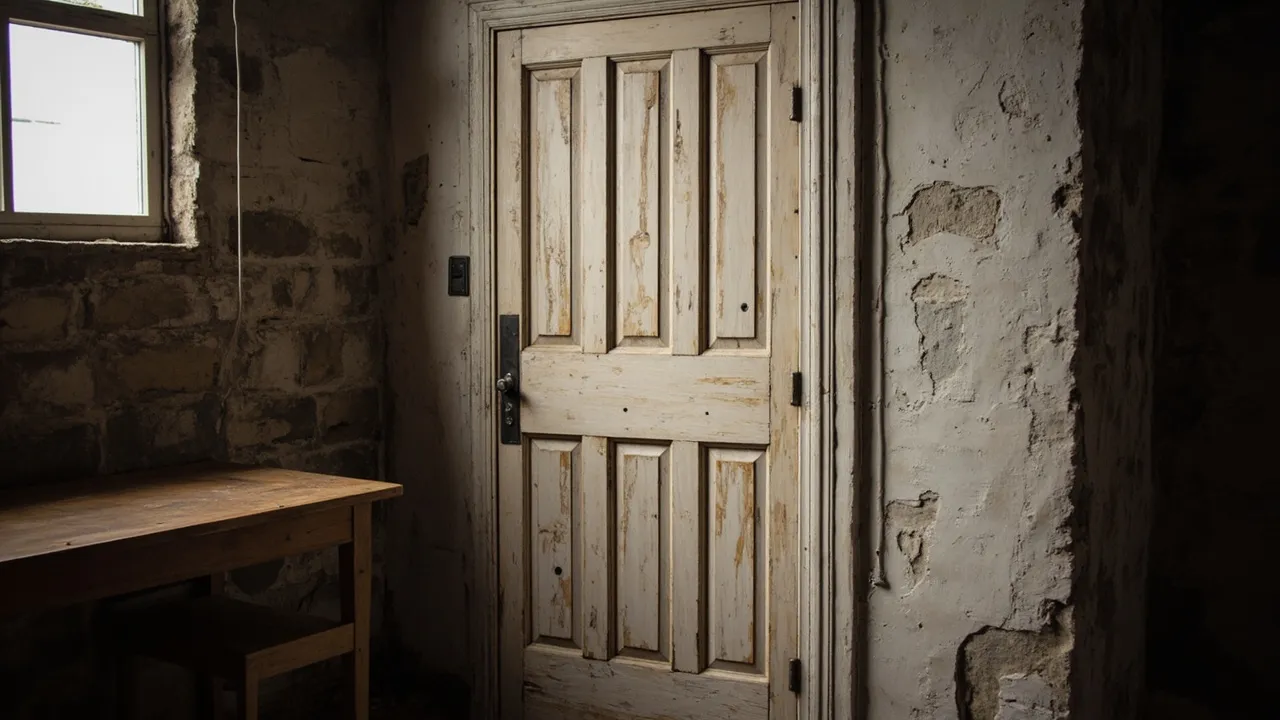
A sticking or draughty old door is often a paint problem, not a wood problem. Decades of layers thicken the edges so the door binds, while paint on the frame and hinges stops it closing flat and leaves gaps. Stripping the door back to bare wood, as we do at Double Dipper, lets it be re-fitted properly.
- Every coat of paint adds thickness to the door edges, rebates and hinges.
- Planing a painted door first removes good timber and can expose old lead paint.
- Strip first, then re-fit: you'll see the real size and shape of the door.
- Winter damp makes binding worse, so it's a good time to sort it.
Why does an old door stick?
Old doors usually stick because paint has built up on the edges, not because the door has grown. A Victorian or Edwardian door may have had a fresh coat every few years for a century or more. Each coat is thin, but together they add real thickness to the edges, the rebate in the frame and the hinge side. Eventually the gap that was designed in has gone, and the door rubs, binds or needs a shove to latch.
Other causes play a part too. Loose hinge screws let a door drop so it catches at the top or bottom corner. Damp in autumn and winter makes timber swell slightly. But when a door has been repainted many times, paint build-up is often the reason those small movements become a daily fight.
Why is an old door draughty at the same time?
The same paint that makes it stick can make it draughty. Thick paint on the hinge side and in the hinge recesses stops the door sitting back into its frame, so it's tight in one place and gapped in another. Paint on the stop beads stops the door closing flat against them. Old layers also crack and flake, and joints painted shut over the years can open slightly as the timber moves underneath.
The result is a door that rubs at the top but lets cold air in down the latch side, which is why simply adding draught strip often doesn't solve it. The strip needs a straight, sound edge to seal against.
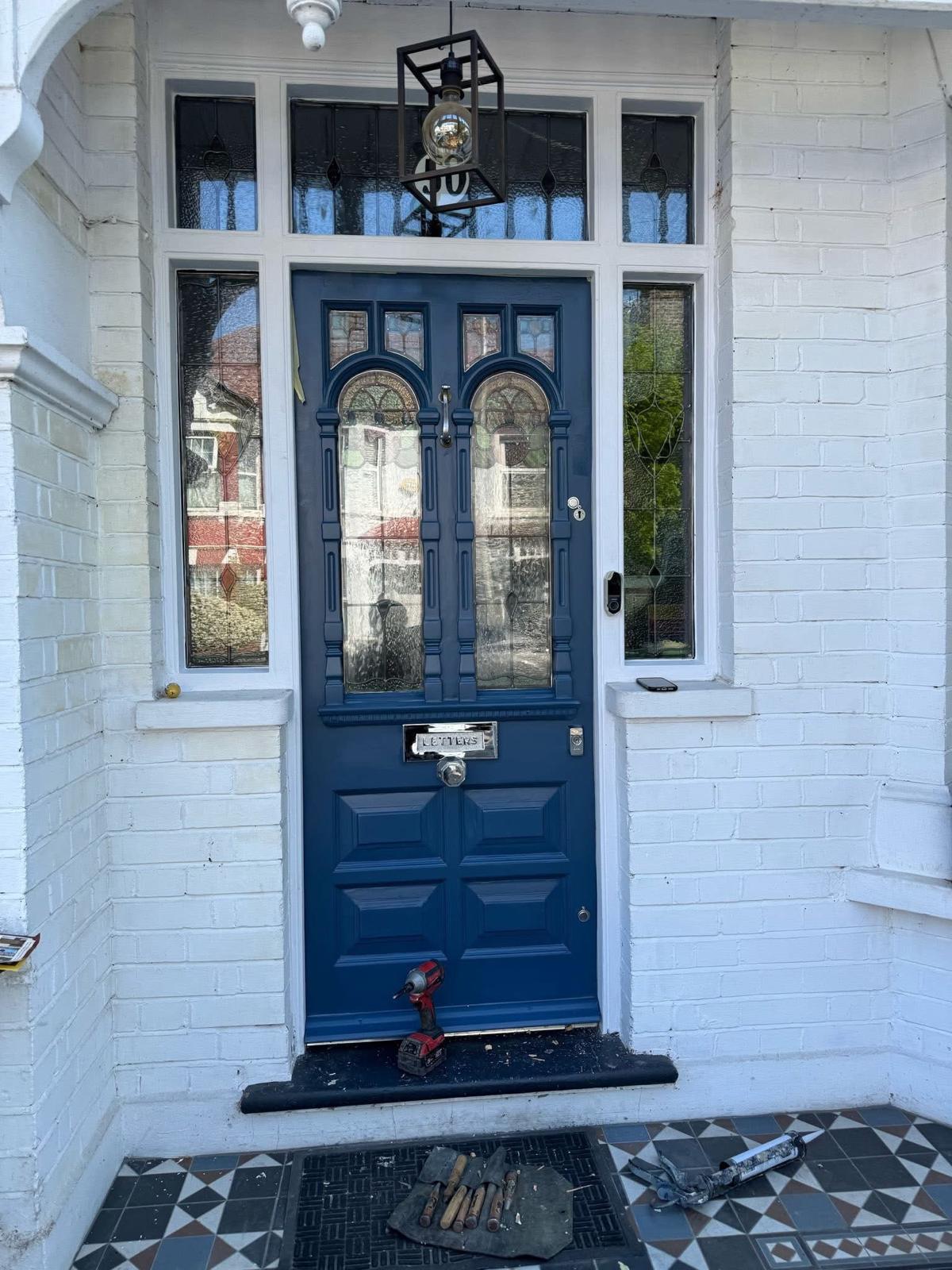
Why is planing a painted door a bad first move?
Because you end up planing away timber to make room for paint. The plane takes off old paint and good wood together, and once the wood is gone it can't be put back. If you strip the door later, the edge you've planed will now be too small, and you're left with a bigger gap than you started with.
There's also the question of what you're planing through. Paint on doors in older houses can contain lead, and planing or sanding it creates fine dust. The HSE's lead FAQs point to dry sanding and burning off old paint as risky jobs in older properties. If you aren't sure, our guide on how to tell if an old door has lead paint is a good place to start.
Planing has its place, but only once the door is bare and you can see how much needs to come off, if any.
How does stripping fix a sticking or draughty door?
Stripping takes the door back to its real size and shape, so it can be fitted once and fitted properly. The order we'd suggest:
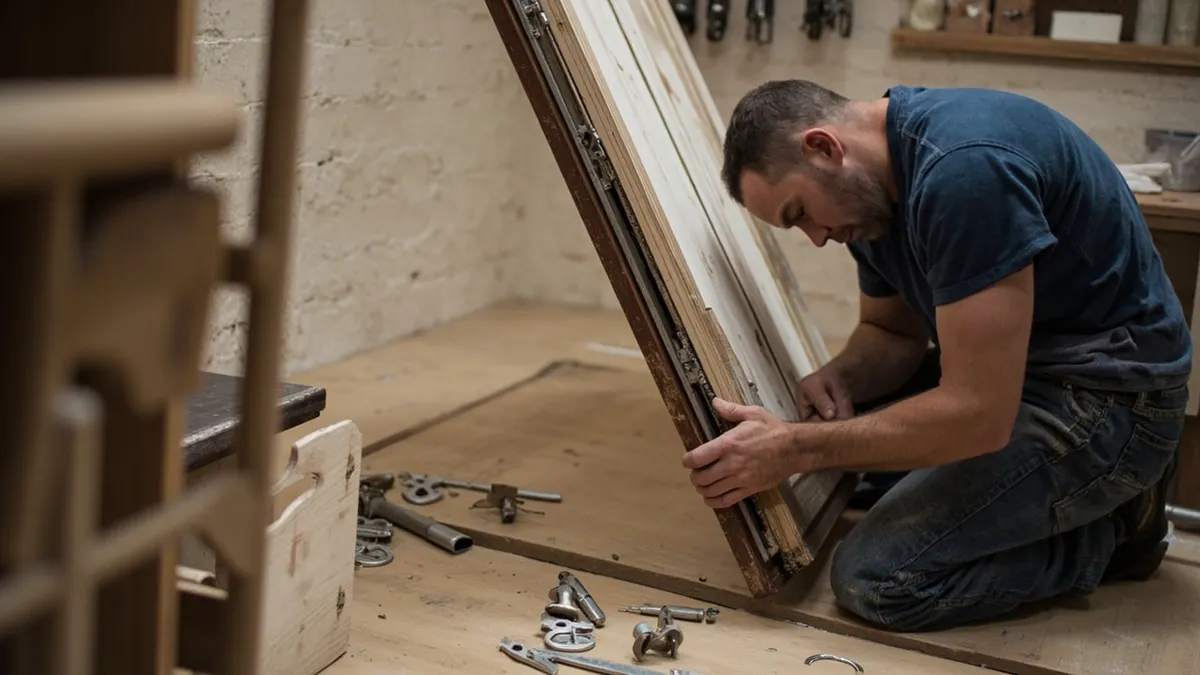
- Take the door off and keep the hinges, screws and furniture together.
- Have it stripped. Sound doors are dip stripped in the bath; doors with glass that can't come out, or fragile panels, are hand stripped. Every door is neutralised and dried.
- Deal with the frame. Clear paint from the rebate, stop beads and hinge recesses so the door can sit back where it should.
- Re-hang and check the fit. Tighten or re-seat hinges, then ease any edge that still rubs, lightly, on bare wood.
- Finish thinly. Wax, oil or a couple of thin coats of paint, so you don't rebuild the problem.
- Draught-proof last. Now the edges are straight, draught strip has something to seal against.
Our door stripping step-by-step shows what happens to a door in the workshop.
Got a door that sticks, binds or lets the wind in? Call 01484 666 333 or send a photo through our contact page and we'll tell you how it would be stripped.
Why sort it out before winter sets in?
Because cold, damp weather makes both problems worse. Timber takes up moisture in the wetter months, so a door that only just closed in summer can bind properly by December. At the same time, every gap feels colder. A front door that sticks and leaks heat is one of the most noticeable faults in an old house in winter.
Taking an internal door off for a week or so is rarely a hardship. A front door needs more planning: have a temporary door or board ready while it's away, and talk to us about timing before you take it off.
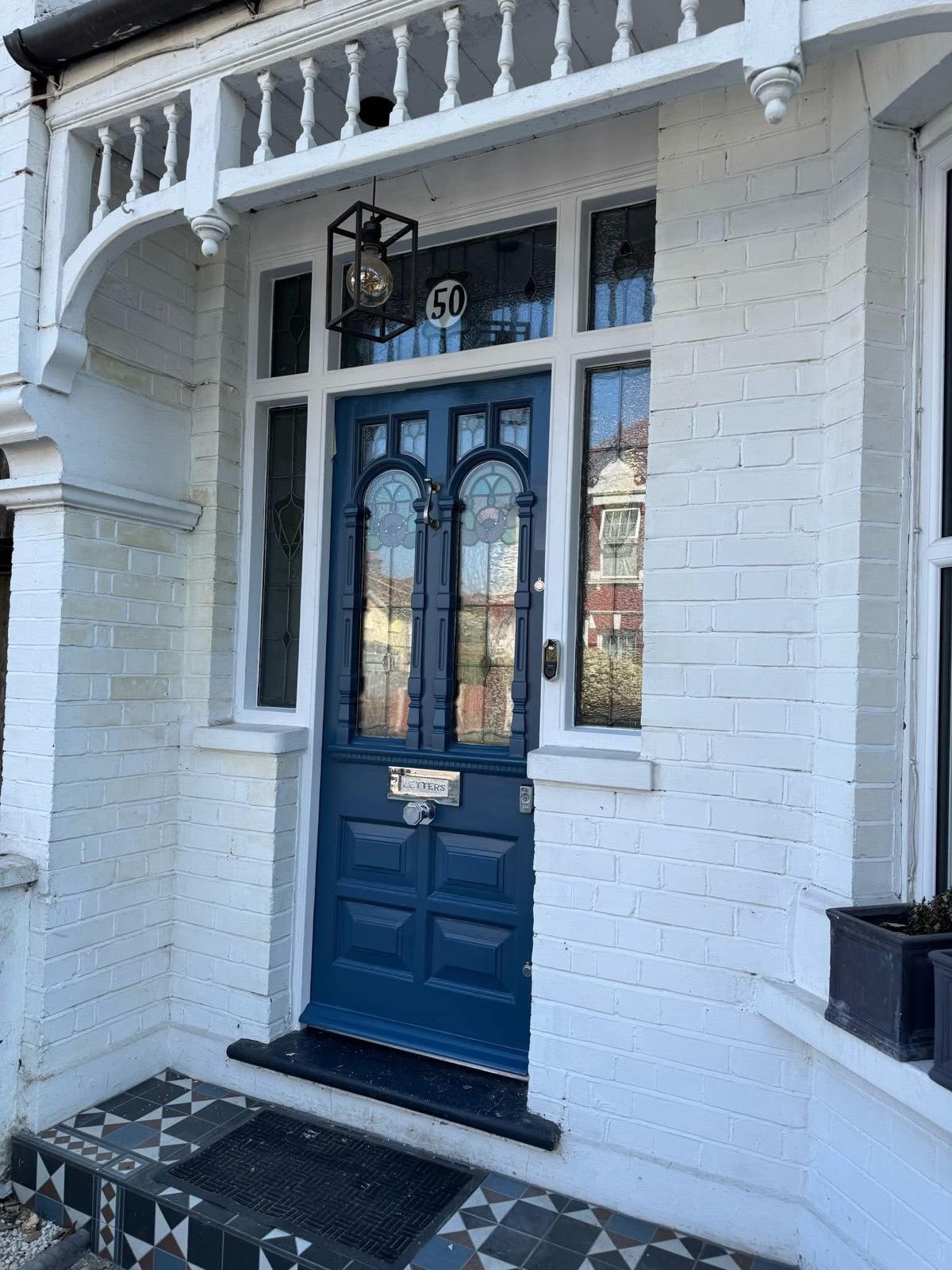
Why send your door to Double Dipper?
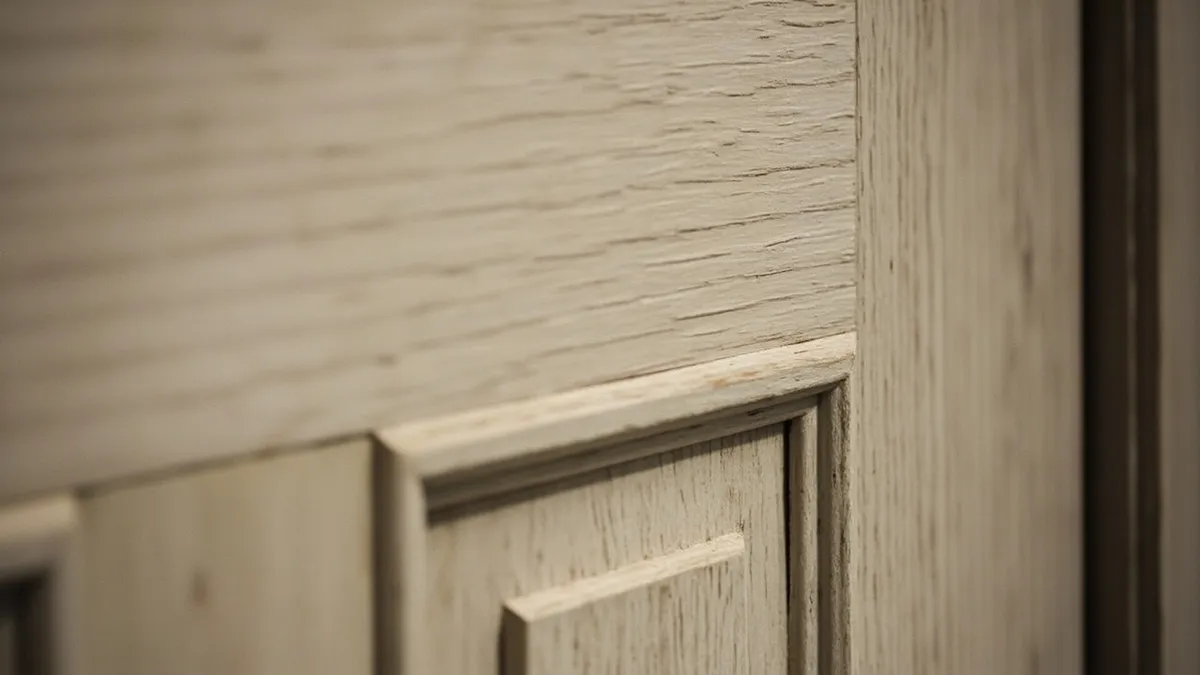
Because a fully stripped door shows you exactly what you're working with. Our door stripping service removes every layer from the faces, edges and mouldings, then neutralises and dries the timber, with the detail hand-finished.
- Internal four-panel pine door: from £60 to strip, neutralise and dry.
- External or stained-oak door: £80–£95.
- A whole house of doors: about £55–£80 per door, usually about a fortnight.
- Most single doors are ready in 7–10 working days.
See our door stripping prices for the full list. We strip wood and metal only, so we can't help with uPVC or composite doors. Once the door is back, our guide to the best wax and oil finish for stripped pine doors covers the next step, and we sell Osmo, Fiddes, Farrow & Ball and Little Greene in our wood finishes shop.
Frequently asked questions
Should I plane a door that sticks?
Not if it's covered in layers of paint. Strip it first, re-hang it and check the fit; then ease only what still rubs.
Will stripping make my door fit without any other work?
Often it makes a big difference, but loose hinges, a dropped door or paint on the frame may still need attention when it goes back in.
Can you strip a door with glass in it?
Yes. If the glass can't come out, the door is hand stripped rather than dipped.
Get a quote from Double Dipper
If your old door sticks in winter and whistles in a wind, start with the paint. Double Dipper is a paint stripping workshop at Unit 3, Crossley Mills, Honley, Huddersfield, stripping wood and metal since 2016, and we're members of the Guild of Master Craftsmen. Every door is neutralised and dried before it comes home, ready to re-fit and finish.
- Free collection within 20 miles of Honley, covering Huddersfield, Holmfirth, Halifax, Wakefield, Leeds, Bradford and Barnsley.
- Further away? Drop off at the workshop, send smaller items by overnight courier, or ask us to quote a van collection.
- See finished work in our gallery.
Call 01484 666 333, email info@doubledipperpaintstrippers.co.uk or send a photo through our contact page. We're open Monday to Friday 9–5 and Saturday 10–2.
