Journal
Door Stripping Wakefield: Doors and Fireplaces for Period Homes
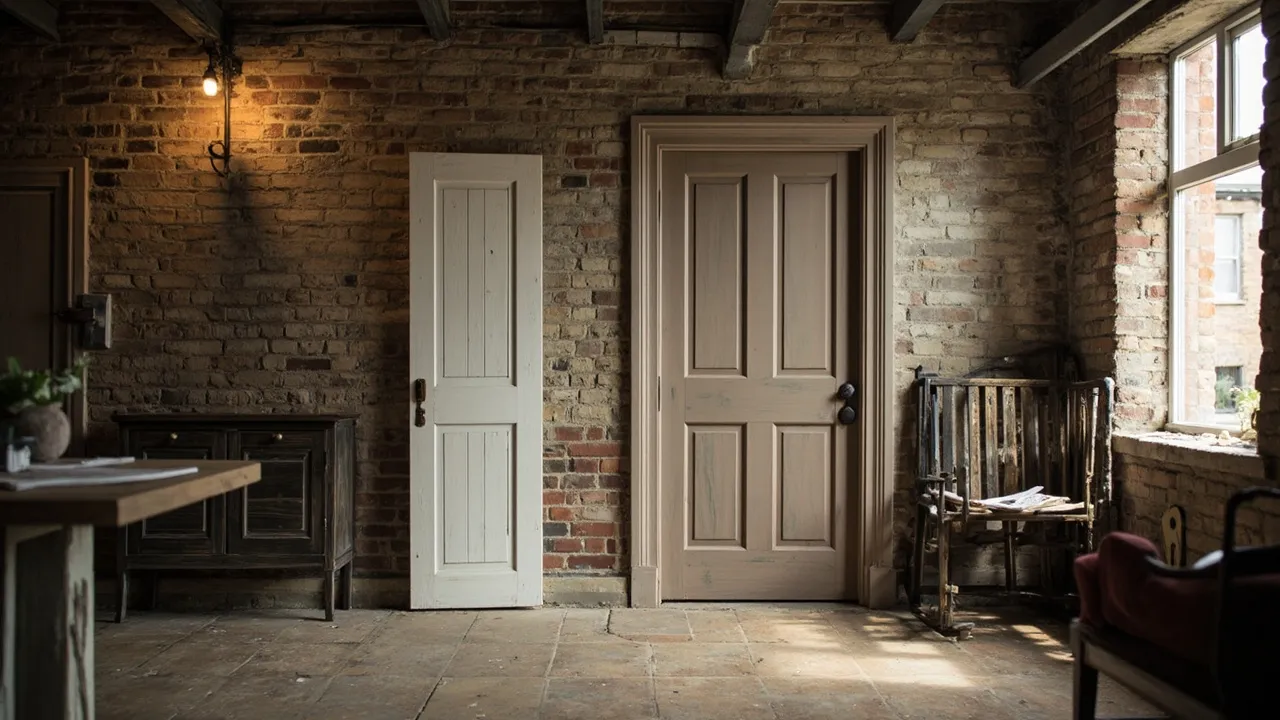
Door and fireplace stripping for Wakefield homes is done at Double Dipper's workshop in Honley, and Wakefield is inside our free 20-mile collection area. We strip painted doors back to bare timber and cast-iron fireplaces back to bare iron, then neutralise, dry or rust-treat them. Internal pine doors start from £60 and fireplace inserts from around £90.
- Wakefield is within our free collection radius, so larger jobs are collected at no charge.
- Internal pine doors are from £60; external and stained-oak doors are £80–£95.
- Cast-iron fireplace inserts are stripped and refinished from around £90, with rust treated before they leave.
- Doors usually take 7–10 working days; fireplaces usually take 2–3 weeks.
What kind of period homes does Wakefield have?
A wider spread than people expect. Wakefield was a wealthy market and administrative town before the industrial boom, so it has a Georgian core as well as the Victorian and Edwardian housing you'd expect in West Yorkshire.
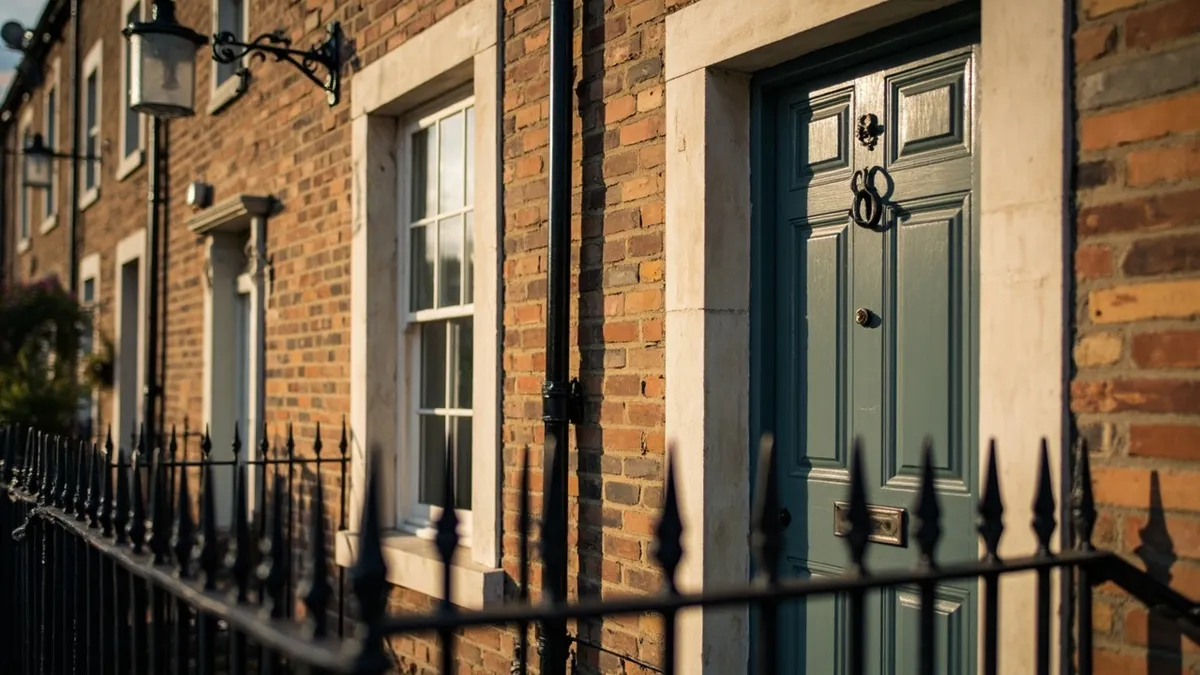
- Georgian townhouses around St John's Square and the streets near it, with six-panel doors, shutters and fine staircases.
- Victorian terraces and semis in areas such as Belle Vue, Eastmoor, Thornes and Agbrigg, mostly with four-panel pine doors and cast-iron fireplaces in the main rooms and bedrooms.
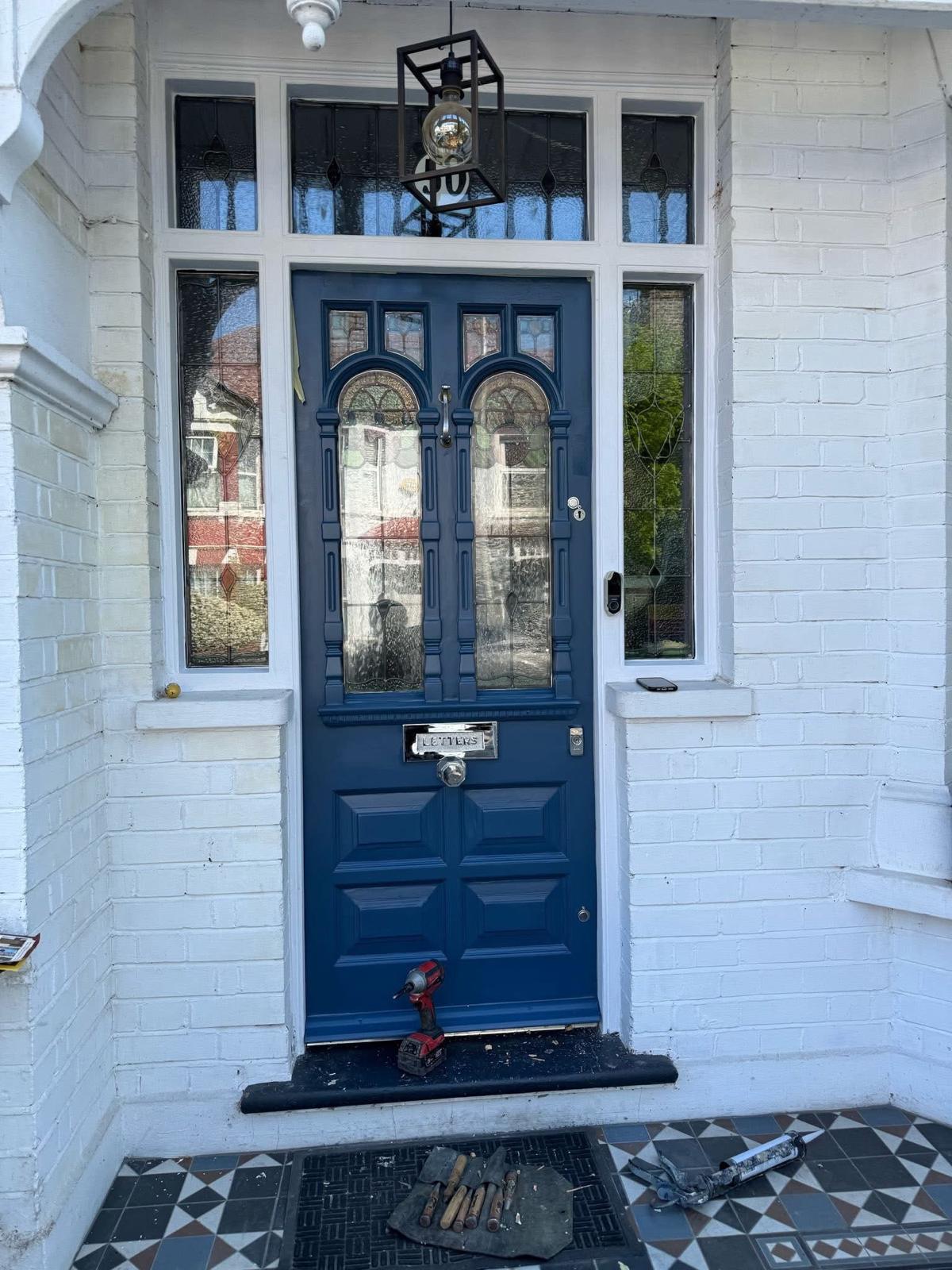
- Larger Victorian and Edwardian houses towards Sandal, with heavier front doors, glazed inner doors and bigger fireplaces.
- Mill and pit-town terraces in Ossett, Horbury and Normanton, built plainly but with the same pine joinery underneath the paint.
Can old Wakefield doors be stripped without damage?
Yes, as long as the method matches the door. Most Victorian four-panel pine doors are solid and go in the stripping bath, which clears paint out of mouldings and corners in one go. Glazed doors, veneered doors and anything with loose joints are stripped by hand instead. We tell you which method we'll use before we start.
If you live in one of the Georgian houses around St John's, it's worth knowing the area is a conservation area and many of the buildings are listed. Check with the council's conservation officer before removing or altering original doors, shutters or fireplaces. Stripping and refinishing keeps the original joinery in the house, which is usually what everyone wants, but it's better to ask first than to find out afterwards.
Afterwards, every door is neutralised and dried, and the detail is finished by hand. Our door stripping service page explains the process, and our guide to dip stripping vs hand stripping goes into the choice in more detail.
What happens to a cast-iron fireplace?
It's stripped back to bare metal, rust-treated and finished the way you choose. Victorian and Edwardian houses across Wakefield were built with a fireplace in almost every room, and many of those inserts have since been painted, boarded over or hidden behind later gas fires. Under the paint the castings are usually crisp and detailed.
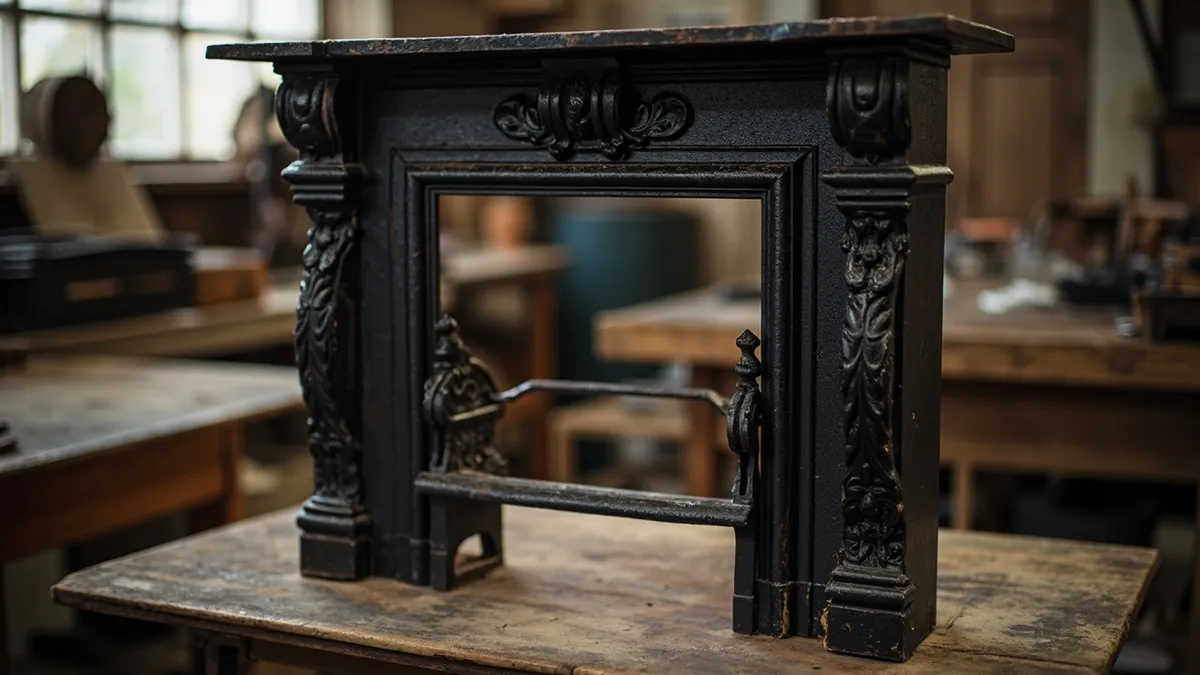
Once the insert is out of the chimney breast, we remove the paint, powder coat or old enamel, treat any rust, and finish it in one of these:
- Bare metal, for a raw look
- Clear lacquer, to seal the bare iron
- Waxed black, the traditional look for a Victorian grate
- High-temperature enamel, for a fireplace you plan to use
- Oil gloss, for a painted finish
Inserts start from around £90 through our cast-iron fireplace stripping service. For more on the job itself, read the best way to strip paint from a cast-iron fireplace.
Found a fireplace behind the boarding, or got a house of painted doors? WhatsApp a photo or call Daniel on 01484 666 333 and you'll usually have a price within a day or two.
How much does it cost?
Wakefield customers pay our standard workshop prices, with free collection inside the 20-mile radius:
| Item | Price |
|---|---|
| Internal four-panel pine door | From £60 |
| External or stained-oak door | £80–£95 |
| Whole house of doors, stripped as a batch | About £55–£80 per door |
| Cast-iron fireplace insert, stripped and refinished | From around £90 |
| Victorian or Edwardian staircase | £650–£1,200 |
Door prices include neutralising and drying. The full list is on our door stripping price guide.
Do you collect from Wakefield?
Yes. Wakefield is inside our free 20-mile collection area, so a set of doors or a heavy fireplace is collected at no extra charge. For a single door, it's often just as easy to drop it at Unit 3, Crossley Mills, Honley, HD9 6PL. We're open Monday to Friday 9am–5pm and Saturday 10am–2pm.
Before collection, take handles, hinges and locks off the doors and label each with its room. Get your fireplace insert out of the chimney breast carefully, as cast iron can crack if it's levered or dropped, and keep all the loose parts together.
How long will everything be away?
Most doors are back in 7–10 working days, and a whole house of doors usually takes about a fortnight. Fireplaces, radiators and other metalwork usually take 2–3 weeks. Tell us if you've got a fitter or decorator booked and we'll plan around it. Doors and a fireplace can travel together on the same collection, even though the fireplace may come back a little later.
Should I strip them myself?
It's possible, but rarely worth it on a period door or a detailed casting. Paint lodges in every moulding and every recess of a fireplace, and old paint can contain lead, which shouldn't be sanded or burned indoors. Sending pieces to the workshop keeps the dust and fumes out of the house. Our guide to safely stripping lead paint from a Victorian front door explains more.
Get a quote for door and fireplace stripping in Wakefield
Double Dipper has worked from Crossley Mills in Honley since 2016 and is a member of the Guild of Master Craftsmen. We can finish doors in the workshop with Osmo, Fiddes, Farrow & Ball or Little Greene.
- Call 01484 666 333 or email info@doubledipperpaintstrippers.co.uk.
- Send photos through our contact page.
- Read more about paint stripping for Wakefield or see finished work in our gallery.
