Journal
Reclaimed Cast Iron Fireplace? What to Do Before Fitting It
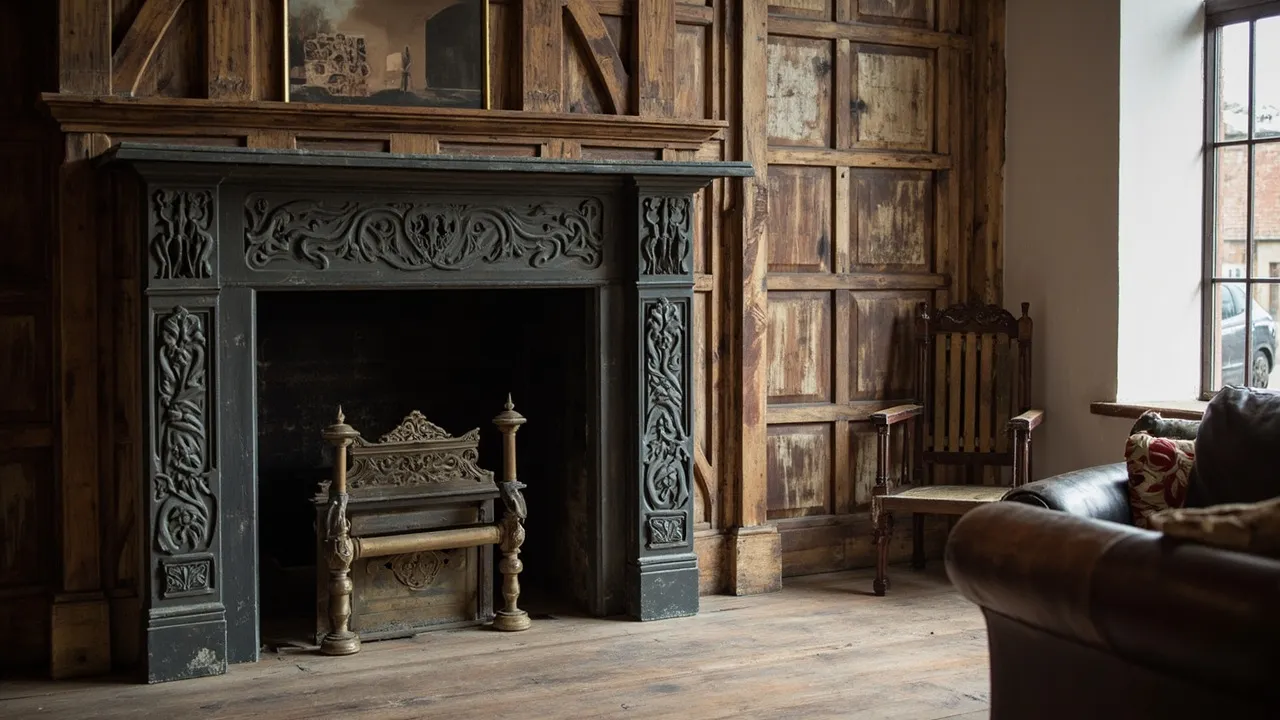
Before fitting a reclaimed cast-iron fireplace, check it for cracks and missing parts, strip off the old paint, treat the rust and give it a proper finish. Double Dipper strips and refinishes cast-iron fireplace inserts from around £90 at our Honley workshop, usually in 2–3 weeks, so your antique fireplace goes in clean, sound and ready to use.
- Inspect a reclaimed fireplace before it's fitted: cracks, missing lugs and broken grates are much easier to deal with while it's out.
- Old paint on an antique fireplace can contain lead. Don't sand or burn it off indoors.
- We strip to bare metal, treat rust, and finish in waxed black, high-temperature enamel, clear lacquer or oil gloss.
- Stripping and refinishing an insert costs from around £90. Free collection within 20 miles of Honley.
Why does a reclaimed fireplace need work before fitting?
Because you don't know what's under the paint until it comes off. An old cast-iron fireplace that's been taken out of one house and sold on has usually had a hard life. It may have been painted several times, stored somewhere damp, or covered in soot and rust. Some are sold "as found", with the finish of whichever decade it was last painted in.
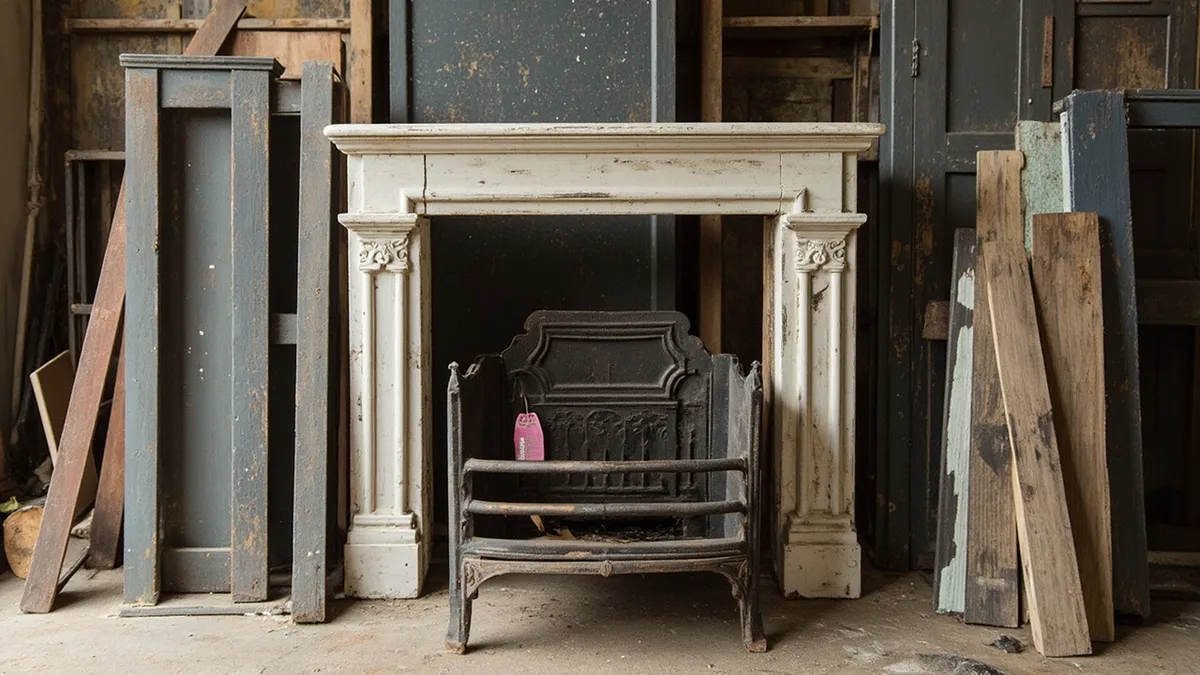
The good news is that cast iron is tough. The iron itself rarely wears out, and most antique fireplaces clean up well. The key is to do the work before the fireplace goes into your wall. Once it's fitted, stripping becomes messy and difficult, and you can't easily fix what you find.
What should you check when it arrives?
Look it over carefully in good light, ideally before you pay for fitting. Here's a simple checklist:
- Cracks. Look closely at the corners, the top of the arch and around fixing points. Fine cracks can hide under thick paint, so check again after stripping.
- Missing or broken parts. Check the fixing lugs, the grate, any fret or ashpan cover, and the canopy or hood if it has one.
- Fit. Measure the insert against your opening. An old fireplace from another house won't always match your chimney breast.
- Paint and rust. Chip a small area on the back to see how many layers there are, and look for flaking or rust bloom.
- Tiles. If it's a tiled insert, check whether the tiles are original, loose or cracked, and whether you want to keep them.
Photograph everything as it arrives. It helps you, your fitter and us, and it's a useful record if you're matching parts later.
Is the paint on an old fireplace safe?
Assume it might not be. Paint on antique cast iron can go back many decades, and older paints can contain lead. Sanding it, wire-brushing it indoors or burning it off with heat can release dust and fumes you don't want in your home.
Sending the fireplace to a workshop keeps that out of your house entirely. Our article on safely stripping lead paint covers the risks in more detail. It's written about doors, but the same principles apply to ironwork.
How do we strip a reclaimed fireplace?
We take it back to bare metal, then treat the rust before it goes anywhere. Paint and old enamel come off completely, including the paint packed into the casting that a wire brush can't reach. Every piece is neutralised and dried, and the detail is finished by hand.
Stripping is also the best inspection you can get. Once the iron is bare, any cracks, old repairs or weak spots are easy to see. It's much better to find those in the workshop than after the fireplace has been fitted and the hearth laid. For a closer look at the methods, read our guide to the best way to strip paint from a cast-iron fireplace.
Just bought an old fireplace? Send us a photo on WhatsApp or call Daniel on 01484 666 333 before it's fitted. You'll get a price and a date, usually within a day or two. Full details are on our cast-iron fireplace stripping service page.
Why does rust treatment matter?
Because bare cast iron rusts quickly, and a reclaimed fireplace has often been stored somewhere damp. Rust that's left under a new finish keeps working, and it will push through wax or paint within a season or two.
Every fireplace is rust-treated before it leaves our workshop. That gives the finish clean, treated iron to sit on, which is what makes it last. It's also why we'd always recommend finishing the fireplace soon after it's stripped rather than leaving bare iron in a shed.
Which finish should you choose?
Choose based on whether the fireplace will be used. For a working fireplace, waxed black gives the traditional look, and high-temperature enamel gives a harder, lower-maintenance surface made for the heat. For a decorative fireplace, clear lacquer keeps the grey look of bare iron, and oil gloss lets you match a room colour. You can also take it home as bare metal and finish it yourself.
If the fireplace came with a painted timber mantel, we can strip that too, because we work on wood as well as metal. For a heritage paint colour on the mantel or surround, see our paints, including Farrow & Ball and Little Greene.
What about fitting?
Fitting is the last step and should be done by someone qualified if the fireplace will be used. Before you light a fire, have the chimney swept and checked, and have your fitter confirm that the fireplace, hearth and flue are right for the fuel you plan to burn. A decorative fireplace still needs fixing securely, because cast iron is heavy.
The easiest order of work is: buy it, check it, strip and finish it, then fit it. If you're redecorating, the room can be done while the fireplace is at the workshop.
How much does it cost, and how do I get it to you?
Stripping and refinishing a cast-iron fireplace insert costs from around £90. Larger fireplaces and full surrounds are quoted from a photo. You'll find our other published prices on the price guide. Most fireplaces take 2–3 weeks.
We collect for free within 20 miles of Honley, including Huddersfield, Holmfirth, Halifax, Wakefield, Leeds, Bradford and Barnsley. If you're further away, in Sheffield, Manchester, York or Harrogate for example, you can drop off at the workshop, courier smaller parts, or ask us to quote a van collection. If the fireplace is being delivered to you from wherever you bought it, it's often simplest to bring it straight to us.
Frequently asked questions
What if I think my fireplace is cracked?
Send us a photo before it comes in. Stripping will show you clearly where any damage is, so you can have it assessed and decide what to do before fitting.
Can you strip the tiles too?
We strip wood and metal only. Talk to us before sending a tiled insert, so we can plan around the tiles.
Is it worth restoring a cheap old fireplace?
If the casting is sound, usually yes. Once stripped and finished, a plain antique insert can look as good as an expensive one.
Get a quote before you fit it
Double Dipper Paint Strippers is a Guild of Master Craftsmen member, trading from Unit 3, Crossley Mills, Honley, HD9 6PL since 2016. Open Monday to Friday 9am–5pm and Saturday 10am–2pm.
- Call 01484 666 333 or email info@doubledipperpaintstrippers.co.uk.
- Send photos of your fireplace through our contact page.
- Read about our cast-iron fireplace stripping or see finished work in the gallery.
