Journal
How to Strip Varnish from Wood Without Ruining It
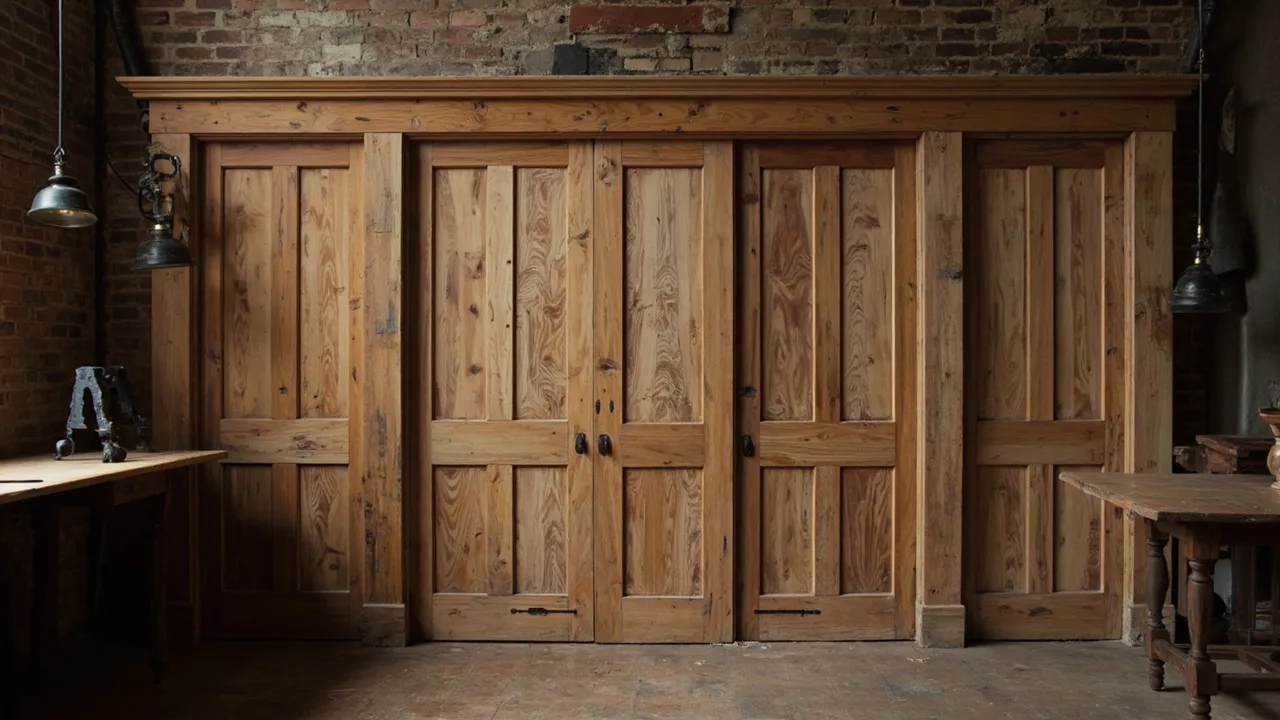
To strip varnish from wood without ruining it, first find out what the finish is, because shellac, lacquer and modern varnish each come off differently. Shellac softens with meths, while tougher varnishes need a stripper and patient scraping with the grain. For veneered or detailed pieces, Double Dipper in Honley strips varnish by hand, then neutralises and dries the wood.
- Test the finish in a hidden spot before you buy anything. The right solvent saves hours.
- Work with the grain, use gentle tools, and never soak veneer.
- Clean off every trace of stripper residue before refinishing, or the new finish may not dry.
- Once it's bare, finish with oil, wax or paint. We sell Osmo, Fiddes, Farrow & Ball and Little Greene.
How do you tell what finish is on the wood?
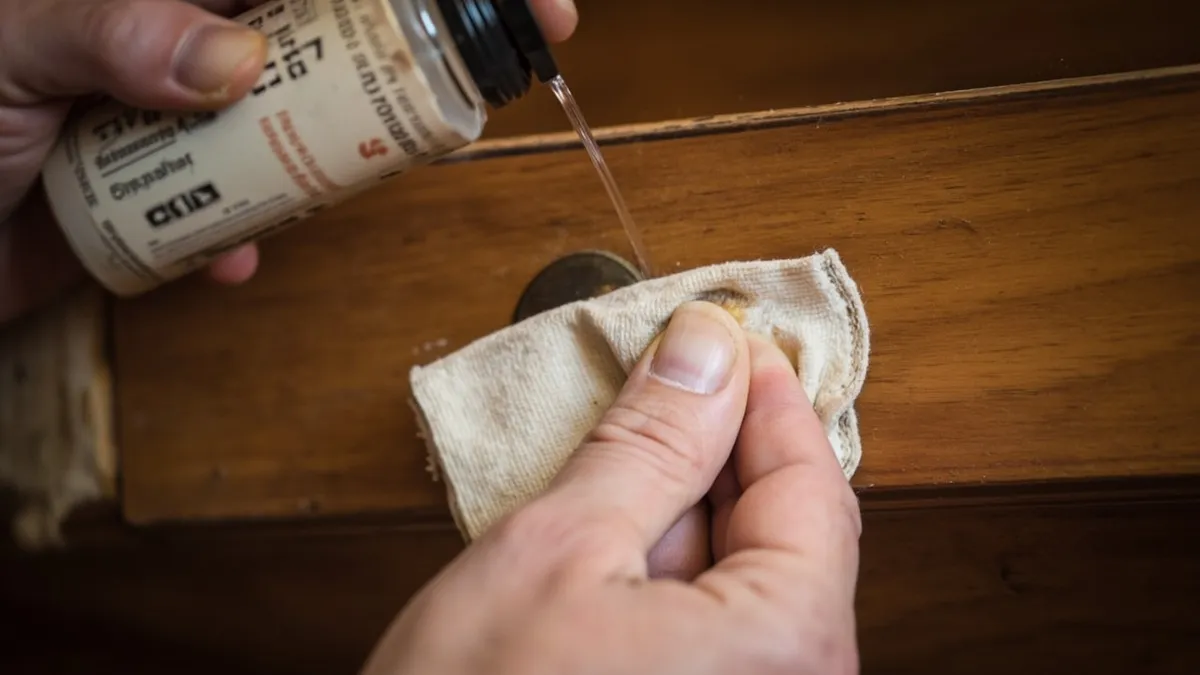
Test it with a solvent on a hidden area, such as the back of a leg or the inside of a drawer front. "Varnish" is used loosely for any clear finish, but old furniture and joinery can carry several different finishes, and they don't all respond the same way.
| Finish | Where you'll find it | Simple test |
|---|---|---|
| Shellac (French polish) | Victorian and Edwardian furniture, older doors | Softens and goes sticky with methylated spirits within a minute or so |
| Lacquer | Much factory-made furniture from the mid-20th century | Softens with cellulose thinners but not much with meths |
| Oil or polyurethane varnish | Floors, doors and DIY-finished pieces from the last 60 years or so | Barely reacts to either. Needs a paint and varnish stripper |
| Wax over bare wood | Stripped pine and country furniture | Comes away on a cloth with white spirit |
Many pieces carry more than one finish, such as a factory lacquer with a later coat of varnish on top, so test in a couple of places. If there's paint anywhere as well, treat it as a paint-stripping job instead.
What's the best way to strip varnish from wood?
The gentlest method that shifts the finish you've got. Start mild and only step up if you need to:
- Shellac: wipe on methylated spirits, let it soften, then lift it with fine wire wool worked along the grain and a clean cloth. Repeat until the wood looks dull and even.
- Lacquer: the right thinners will soften it the same way. Work in small areas with good ventilation.
- Varnish: brush on a paint and varnish stripper thickly, leave it for the time on the label, then lift it off with a plastic or blunt scraper on flat areas and wire wool or a stiff brush in the detail.
- Clean down: follow the stripper instructions to wash off residue, then leave the wood to dry fully.
- Light sand: a fine grit by hand, with the grain, to take down raised fibres. Don't sand the colour out of old timber.
Always wear gloves and eye protection, keep the room ventilated, and follow the label on any product you use.
How do you avoid ruining the wood?
Most damage comes from impatience: scraping too hard, sanding too much, or soaking something that shouldn't get wet. A few rules protect the piece:
- Go with the grain. Cross-grain scratches show badly once a clear finish goes back on.
- Blunt your scraper edges. A sharp corner digs in, especially on soft pine.
- Be very careful with veneer. It's thin, often only held by old glue, and lifts if it's soaked or scraped hard. Use as little liquid as possible and don't sand through it.
- Don't flood the joints. Old furniture is often held together with animal glue, which softens with water and some strippers.
- Leave the patina if you can. The colour of old oak or mahogany is in the wood itself, not just the finish. Aggressive sanding takes away the age you're trying to show.
- Watch oak. Some strippers, particularly caustic ones, can darken oak, so test first.
Got a varnished piece you'd rather not risk? WhatsApp a photo or call Daniel on 01484 666 333. We'll tell you whether it should be dipped or hand-stripped, and what it'll cost. Or use our contact page.
Is varnish harder to strip than paint?
Often it is, especially modern varnish. Paint sits on the surface. A clear varnish soaks into the grain as well, and hard polyurethane types resist most mild strippers. Shellac is the exception: it's one of the easiest finishes to remove, which is one reason restorers like it.
The other difficulty is that you're usually aiming for a clear finish afterwards, so every mark shows. With paint, a small scratch disappears under the new coat. With a clear oil or wax, it doesn't.
When should a workshop strip the varnish?
When the piece is large, detailed, fragile or valuable. A set of dining chairs with turned legs and carved backs, a varnished staircase or an oak door can take weeks of evenings at home. We strip varnish as well as paint, and we choose the method to suit the piece:
- Sound, solid pieces go into the stripping bath, which reaches every carving and moulding at once.
- Veneered, glued or fragile pieces are stripped by hand, so the veneer and joints stay sound.
Every piece is neutralised and dried before it leaves, and detail is finished by hand. Read more about our furniture stripping service, or see our guide to dip stripping vs hand stripping.
As a guide, a dining suite of six chairs and a table is £320–£480, and an external or stained-oak door is £80–£95. Our full list is on the stripping prices page. We collect free within 20 miles of Honley, covering Huddersfield, Halifax, Leeds, Bradford, Wakefield and Barnsley. From further afield, drop off at the workshop, courier smaller pieces, or ask us to quote a van collection.
How should you finish wood after stripping varnish?
Choose the finish for how the piece will be used, not just how it looks on day one. Bare wood is thirsty and marks easily, so finish it soon after it's dry.
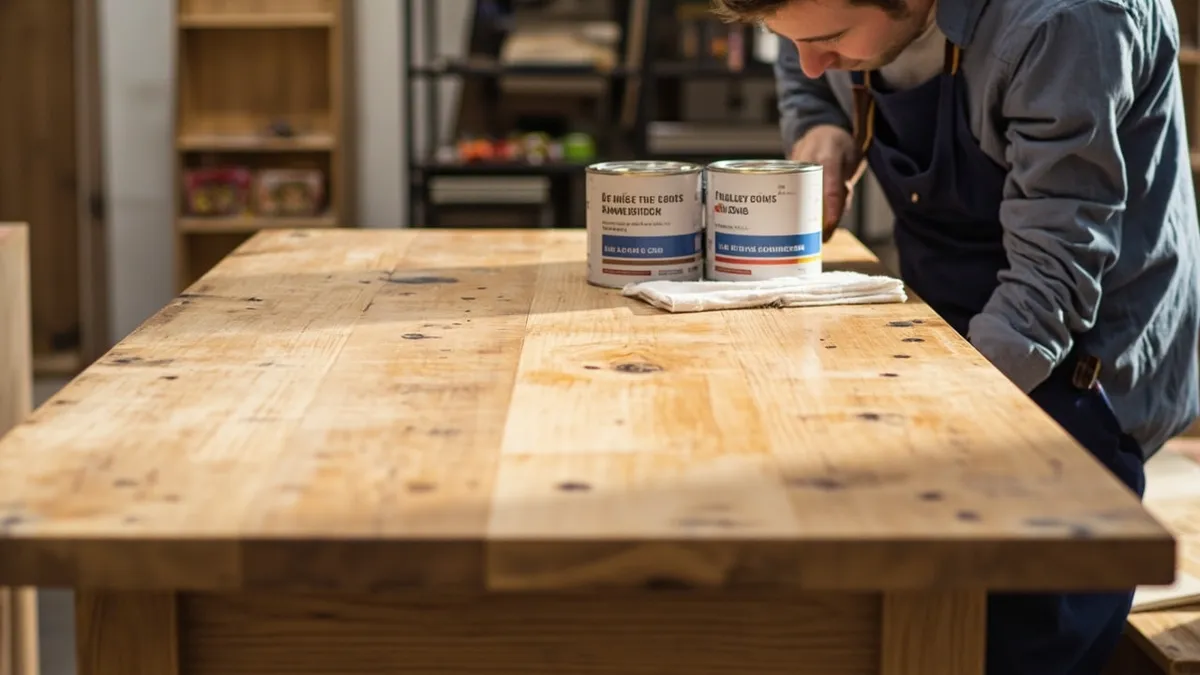
- Hardwax oil, such as Osmo, is hardwearing and easy to touch up. It suits tabletops, doors and anything handled often.
- Wax, such as Fiddes, gives the soft sheen people love on stripped pine and old oak. It needs occasional re-waxing.
- Paint, such as Farrow & Ball or Little Greene, if you've decided the timber underneath isn't the star after all. Starting from bare, clean wood gives a far better finish.
All of these are in our wood finishes shop and paint shop, and we can finish pieces in the workshop for you. For pine specifically, our guide to the best wax and oil finish for newly stripped pine goes into more detail.
FAQ
Can I use a paint stripper on varnish?
Yes. Most paint strippers are sold as paint and varnish strippers. On shellac, try meths first, as it's gentler on the wood.
Can I just sand varnish off?
On a flat, solid surface, yes, but it's slow, clogs paper quickly and can take the colour and patina with it. Never sand veneer back hard.
How long should stripped wood dry before finishing?
Until it's fully dry right through, which after a home strip and wash-down can take a few days. Pieces stripped at our workshop come back neutralised, dried and ready to finish.
Get a quote for varnish stripping
Double Dipper is a Guild of Master Craftsmen member, trading from Unit 3, Crossley Mills, Honley, HD9 6PL since 2016.
- Call 01484 666 333 or email info@doubledipperpaintstrippers.co.uk.
- Send a photo of your piece through our contact page.
- See finished work in our gallery.
We're open Monday to Friday 9am–5pm and Saturday 10am–2pm.
