Journal
How to Strip Paint from Wood (and When to Let a Workshop Do It)
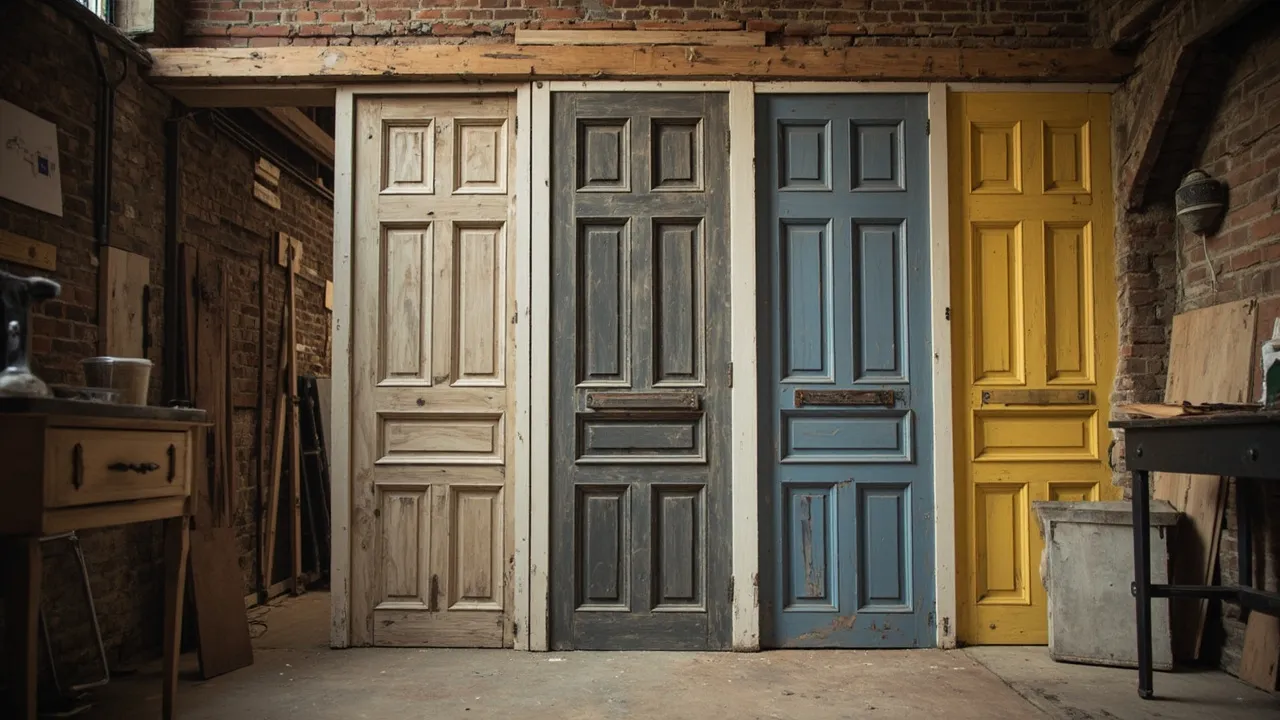
To strip paint from wood, soften it with a chemical stripper or a heat gun, scrape it off along the grain, then clean and neutralise it. That works for flat pieces with a few coats. For mouldings, many layers or possible lead paint, a dip-stripping workshop like Double Dipper in Honley is usually quicker, cleaner and kinder to the wood.
- The three DIY methods are chemical stripper, a heat gun and scraper, or sanding. Each suits different jobs.
- Mouldings, turned legs, panelled doors and thick paint build-up are where DIY stripping gets slow and messy.
- Older paint can contain lead. Don't dry sand it or burn it indoors.
- A workshop strip includes neutralising and drying, and an internal pine door starts from £60.
What's the best way to remove paint from wood?
It depends on the piece. There's no single best method, only the one that suits the shape of the wood, the amount of paint and what you want underneath. A flat tabletop with two coats of emulsion is a very different job from a Victorian door carrying a century of gloss.
| Method | Suits | Watch out for |
|---|---|---|
| Chemical stripper | Detailed pieces, small areas, anything you can't get heat near | Fumes, skin contact, several applications on thick paint, residue left in the grain |
| Heat gun and scraper | Flat panels and thick gloss on solid wood | Scorching, cracked glass, fire risk, fumes from old paint |
| Sanding | Final clean-up of flat surfaces | Flattens detail, clogs quickly, dust (including lead dust from old paint) |
| Dip stripping in a workshop | Doors, furniture and anything with heavy paint in mouldings | Not for veneer or loose joints, which are hand-stripped instead |
Whichever you choose, most real jobs use more than one: heat or stripper for the bulk of the paint, then a light hand sand once the wood is clean and dry.
How do you strip paint from wood at home, step by step?
Take it slowly and let the stripper or the heat do the work. Here's the general order that works for most pieces:
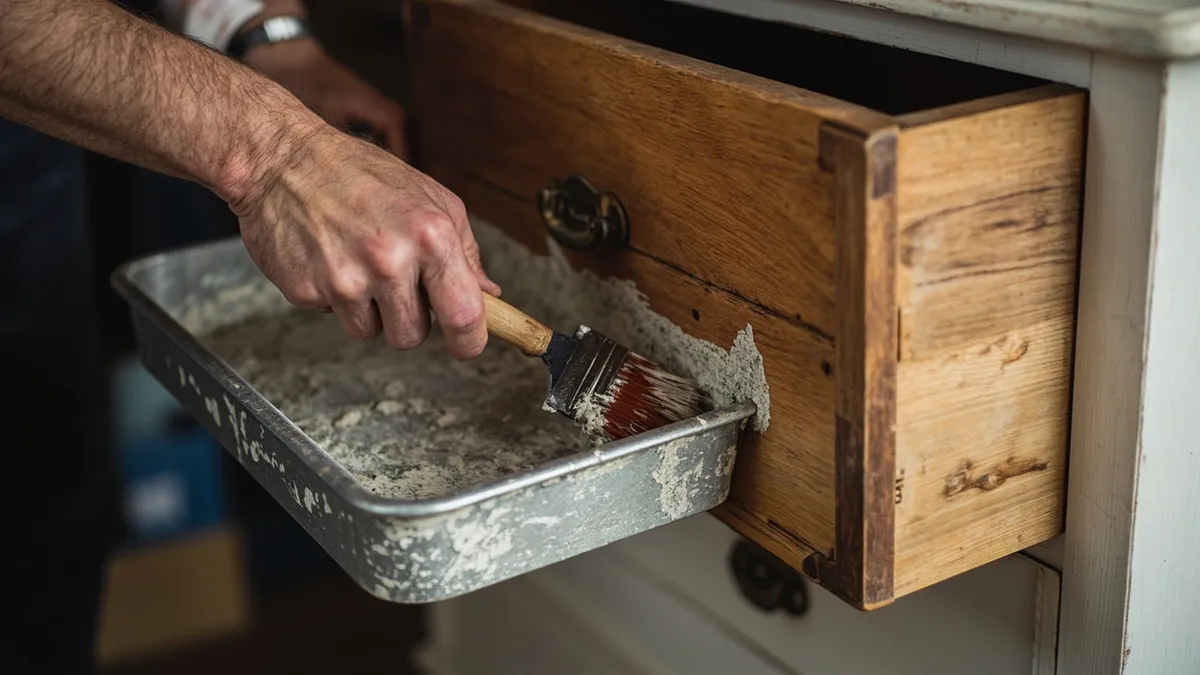
- Check what you're dealing with. Scrape a small patch to see how many layers there are and what timber is underneath. If the house or piece is old, test a scraping for lead before going further.
- Remove hardware. Take off handles, hinges, locks and knobs. Stripper and heat both damage brass and old fittings.
- Protect the area. Work outside or in a well-ventilated room, with the floor sheeted. Wear gloves and eye protection.
- Soften the paint. Apply stripper thickly and leave it for the time on the tin, or play the heat gun over a small area until the paint just bubbles. Don't let it scorch.
- Scrape with the grain. Use a flat scraper on panels and shaped scrapers, wire wool or a stiff brush in mouldings.
- Repeat. Thick paint almost always needs a second or third pass.
- Clean and neutralise. Follow the stripper's instructions for removing residue. Leftover stripper stops finishes drying properly.
- Let it dry, then sand lightly. Raised grain needs a light sand before any finish goes on.
Where does DIY paint stripping go wrong?
Mostly in the detail. Flat surfaces strip reasonably well at home. It's the mouldings, beading, panel corners and turned parts that eat the time, because paint packs into every groove and a scraper can't follow the shape.
The other common problems are:
- Scorching. A heat gun held too long leaves dark marks that go deeper than the surface.
- Gouges. Scrapers dig in, especially on soft pine.
- Paint left in the grain. Especially on open-grained timber, you get a speckled look that shows through wax or oil.
- Residue. Stripper left in the wood can stop a finish from curing.
- Time. A heavily painted four-panel door can easily take a full weekend, and still not be clean in the corners.
Our guide to stripping paint from a Victorian door without damaging the wood goes into more detail on protecting older timber.
Is it safe to strip old paint yourself?
It can be, with care, but old paint needs more caution than new. Paint on older homes and furniture, particularly the lower layers, may contain lead. Sanding it creates fine dust, and burning it off at high temperature can create fumes, both of which you don't want indoors, around children or during pregnancy.
If you suspect lead, test a small scraping first, avoid dry sanding and high heat, keep the area well ventilated and clean up with damp cloths rather than a brush. Read more in our article on safely stripping lead paint from a Victorian front door. Chemical strippers bring their own risks too: always read the label, wear gloves and eye protection, and dispose of waste as it says.
Rather not spend your weekend scraping? Call Daniel on 01484 666 333 or WhatsApp a photo, and we'll tell you what it costs and when it'll be ready. You can also get in touch through our contact page.
When should you let a workshop strip it?
When the piece has a lot of detail, a lot of paint, or paint you don't want to be sanding at home. In practice that means:
- Panelled doors, internal or external, especially with heavy gloss in the mouldings.
- Furniture with shaped parts: turned legs, spindles, carved rails and drawer fronts with beading.
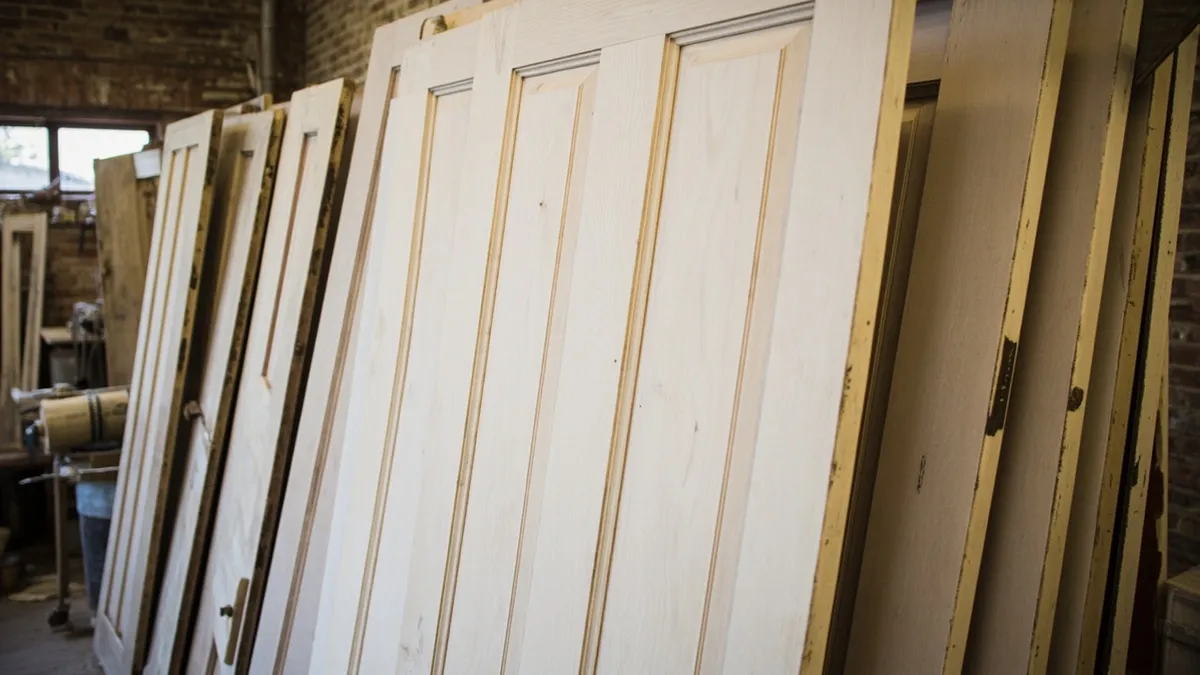
- A whole house of doors, where doing them yourself would take months of weekends.
- Old paint that may contain lead, where you'd rather the stripping happened away from your home.
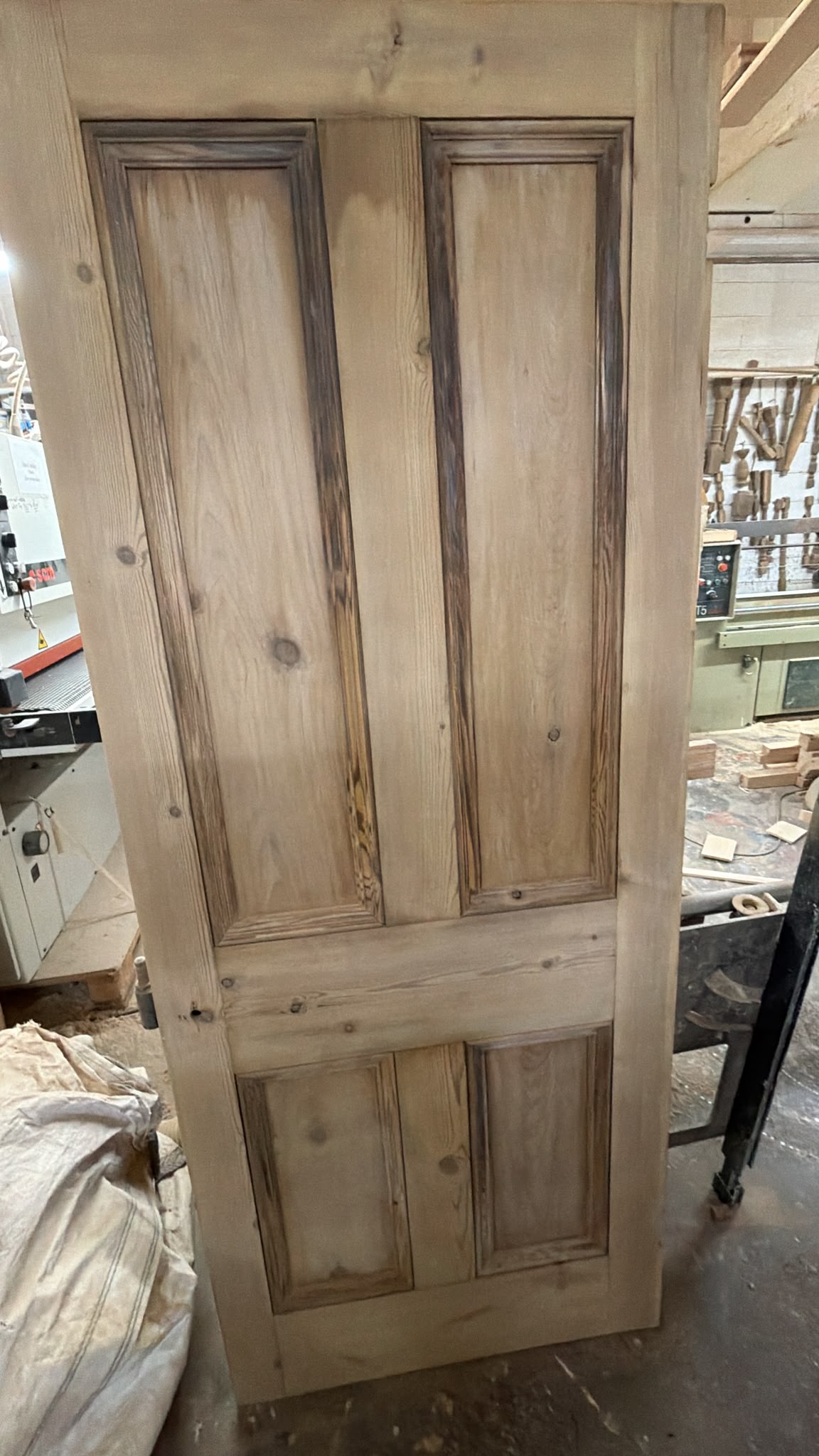
At Double Dipper, sound pieces go into the stripping bath, which reaches every moulding and corner at once. Fragile pieces, veneers, glued joints and glass that can't come out are stripped by hand instead. Everything is neutralised and dried before it leaves, and detail is finished by hand. See how it works for door stripping and furniture stripping.
How much does it cost to have wood stripped?
Less than most people expect, once you count the time and materials a DIY job takes. Our published prices:
- Internal four-panel pine door: from £60
- External or stained-oak door: £80–£95
- A whole house of doors as one batch: about £55–£80 per door
- Dining suite (six chairs and a table): £320–£480
Most doors are ready in 7–10 working days. The full list is on our stripping price guide. We collect free within 20 miles of Honley, which covers Huddersfield, Halifax, Leeds, Bradford, Wakefield and Barnsley. From further away, drop off at the workshop, courier smaller pieces, or ask for a quoted van collection. We strip wood and metal only, so not uPVC, composite or laminate.
What should you do with the wood once it's stripped?
Finish it soon, because bare wood marks and absorbs dirt easily. Stripped pine is usually waxed, oiled or painted. Our guide to the best wax and oil finish for stripped pine doors will help you choose. We sell Osmo and Fiddes finishes and Farrow & Ball and Little Greene paints in our wood finishes shop, and we can finish pieces in the workshop if you'd rather not.
Get a quote for stripping your wood
Double Dipper is a Guild of Master Craftsmen member working from Unit 3, Crossley Mills, Honley, HD9 6PL since 2016. To get a price:
- Call 01484 666 333 or email info@doubledipperpaintstrippers.co.uk.
- Send a photo through our contact page.
- Browse finished doors and furniture in our gallery.
We're open Monday to Friday 9am–5pm and Saturday 10am–2pm.
