Journal
Heat Gun Paint Stripping vs Chemical Stripper vs Dip Tank
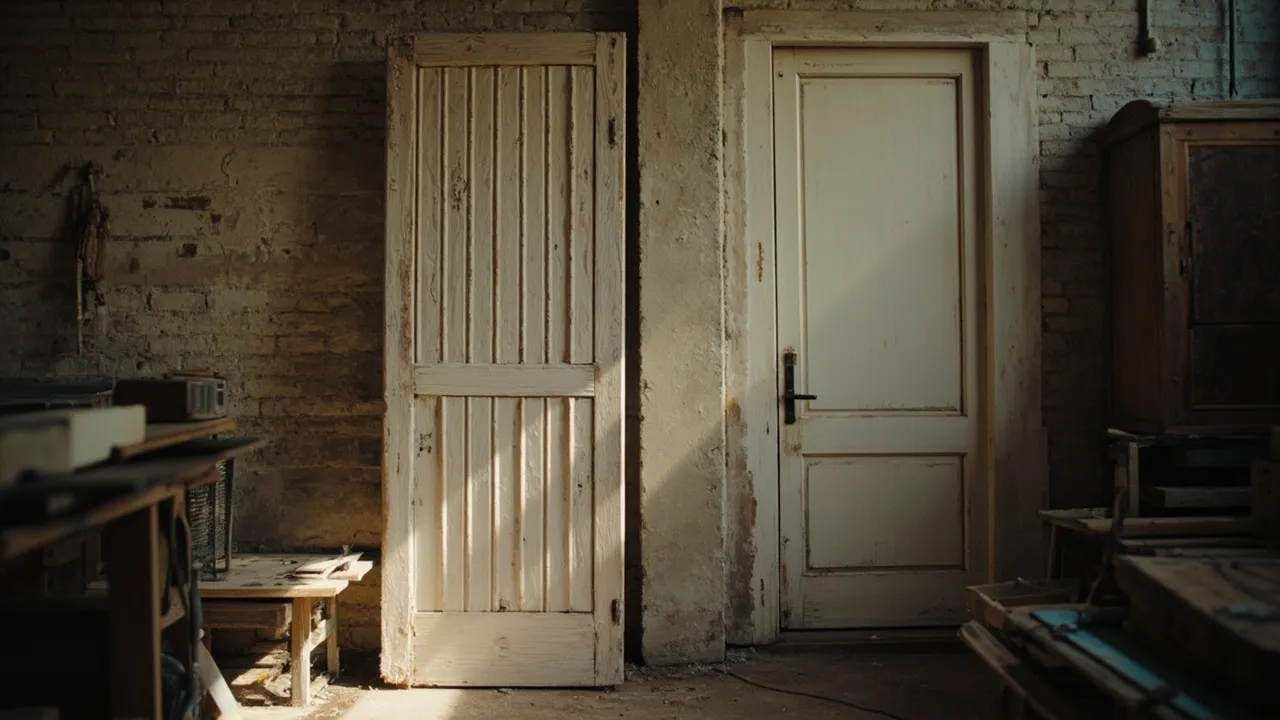
For heat gun paint stripping versus chemical stripper, the short answer is: heat suits thick paint on flat solid wood, chemicals suit detail and delicate areas, and a dip tank suits whole doors and furniture with paint in the mouldings. At Double Dipper in Honley we dip sound pieces and hand-strip fragile ones, then neutralise and dry everything.
- Heat gun: fast on flat, thick gloss, but risks scorching, cracked glass and fumes from old paint.
- Chemical stripper: reaches into detail, but it's slow on heavy build-up and needs careful handling, cleaning and disposal.
- Dip tank: strips every surface at once, but it isn't for veneer, loose joints or glass that can't come out.
- Older paint may contain lead, which rules out burning it off or dry sanding it indoors.
How does heat gun paint stripping work?
A heat gun blows very hot air that softens paint until it bubbles, and you lift it off with a scraper while it's still soft. It's the quickest DIY method on flat, solid timber with thick layers of gloss, such as the panels and stiles of a door or a skirting board.
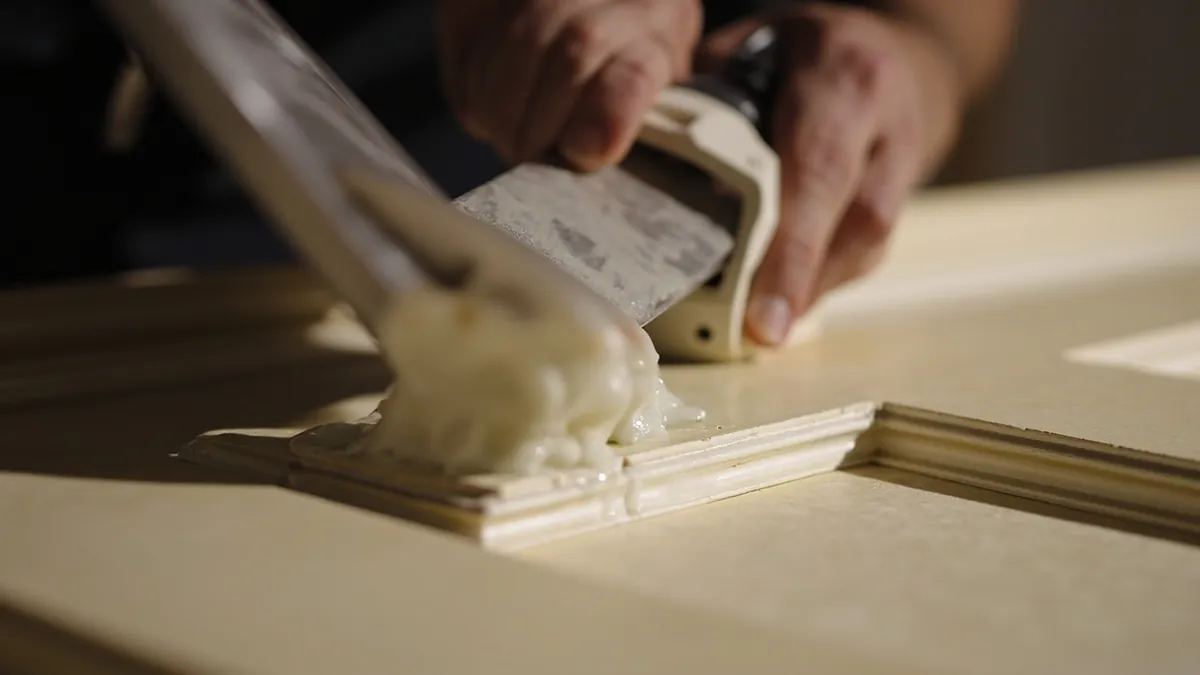
Where it works well:
- Thick, old oil-based paint on flat surfaces.
- Outdoor joinery, where fumes disperse.
- Jobs where you'd rather not use chemicals at all.
Where it goes wrong:
- Scorching. Linger a second too long and the wood darkens. On pine, scorch marks often go deeper than a light sand will remove.
- Glass. Heat near glazing can crack it, which is a real problem on stained-glass and period doors.
- Mouldings. You can soften the paint in a moulding, but you can't scrape it out cleanly. Most heat-stripped doors keep paint in the corners.
- Fire risk. Hot air can ignite dust and debris inside cavities, behind architraves or in old window frames, and it can smoulder unseen.
- Old paint. Heating paint that may contain lead can give off fumes. Keep temperatures low, ventilate well, and never use a blowlamp or naked flame.
How do chemical paint strippers work?
Chemical strippers soften or break down the paint so it can be scraped or washed off. You brush on a thick layer, leave it for the time on the label, then lift the paint away. They reach places a heat gun can't, which makes them better for carving, mouldings and turned work.
Broadly, there are two kinds you'll come across:
- Solvent-based strippers, which soften paint and varnish. Some work quickly, others are slower gels or pastes sold as lower-odour options. Slower types can need leaving for hours.
- Caustic (alkaline) strippers, often a paste left on under a covering. They're effective on thick oil paint but can darken some woods, particularly oak, and they burn skin and eyes.
The downsides: heavy paint needs several applications; the softened paint is messy to collect; stripper residue must be cleaned and neutralised or new finishes won't dry properly; the wood can end up with raised grain; and you need gloves, eye protection, ventilation and a plan for disposing of the waste. Always follow the label, because products vary a great deal.
What is a dip tank, and how is it different?
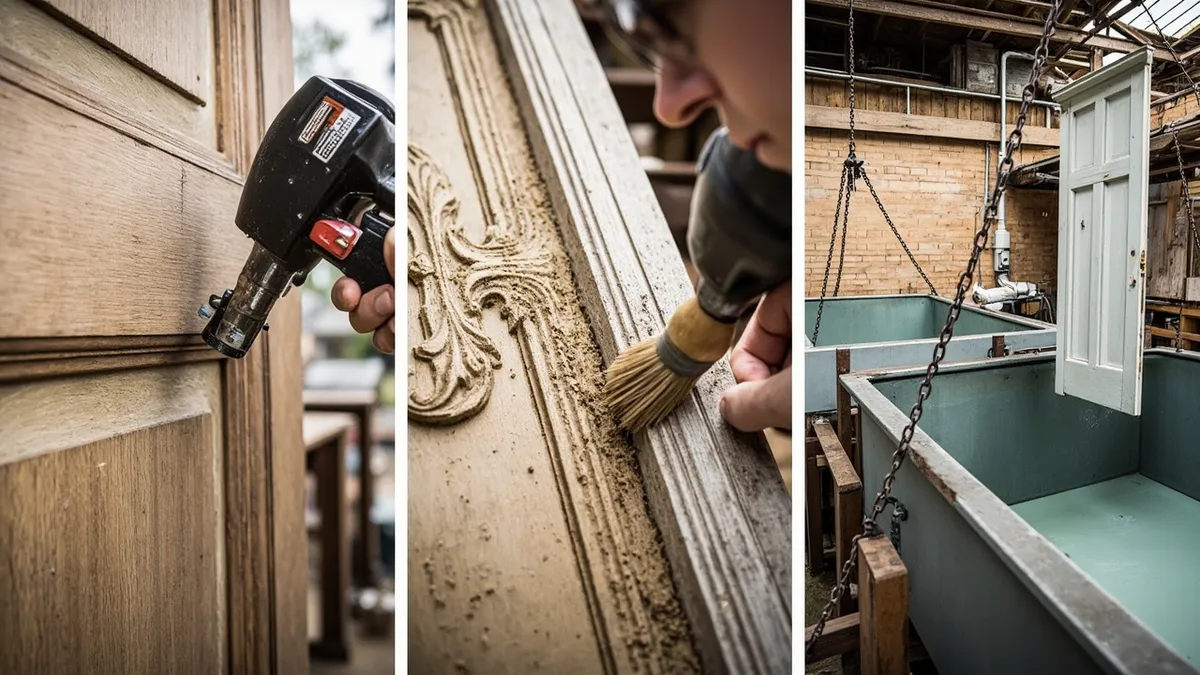
A dip tank, or stripping bath, is a large bath of stripping solution in a workshop that a whole door or piece of furniture is lowered into. Instead of working on one small patch at a time, the whole piece is stripped at once, including every moulding, panel corner and bead.
That's the big advantage over either DIY method. Paint packed into detail simply comes away, so the shape of the mouldings comes back crisp. A dipped door doesn't keep the rings of paint in its corners that a heat-stripped door usually does.
The bath isn't the whole job, though. At Double Dipper, every piece is neutralised and dried after stripping, so the timber goes home stable and ready to finish, and detail is finished by hand. You can see the full process on our door stripping and dipping service page.
When shouldn't you dip a piece?
When it's fragile. Dipping suits sound, solid pieces. It isn't right for:
- Veneered furniture, where the veneer can lift.
- Loose or glued joints, especially old animal glue.
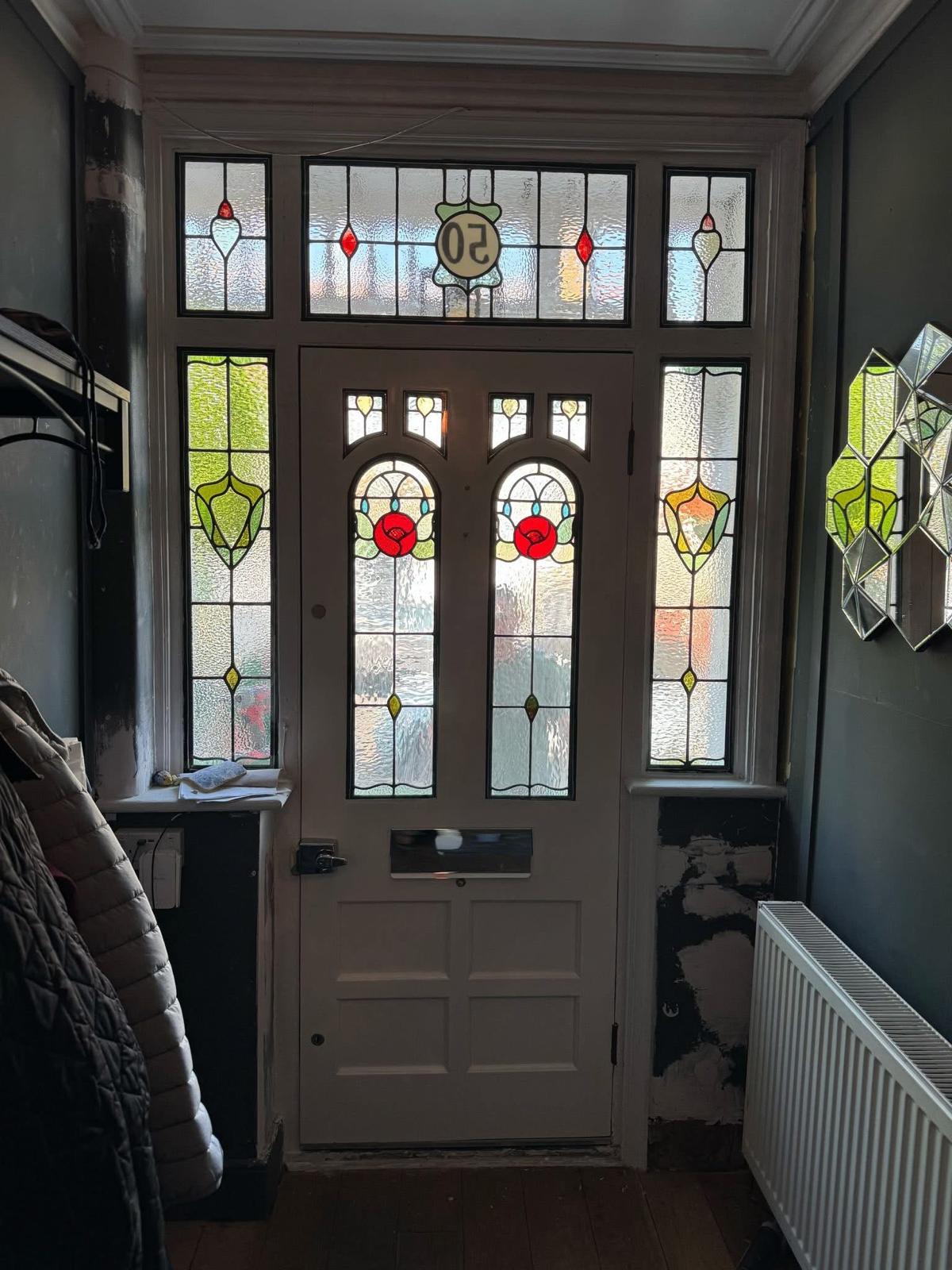
- Glass that can't come out, such as leaded lights fixed into a door.
Those pieces are stripped by hand in the workshop instead, and we tell you which method we'll use before we start. Our guide to dip stripping vs hand stripping explains how we decide.
Not sure which method your piece needs? Send Daniel a photo or call 01484 666 333. We'll tell you whether it can be dipped, what it'll cost and when it'll be ready. You can also use our contact page.
Heat gun, chemical stripper or dip tank: side by side
| Heat gun | Chemical stripper | Dip tank (workshop) | |
|---|---|---|---|
| Best for | Flat, thick paint on solid wood | Detail, small areas, near glass | Whole doors and sound furniture |
| Mouldings and carving | Poor | Good, but slow | Very good |
| Risk to the wood | Scorching and gouges | Raised grain, darkening, residue | Not for veneer or loose joints |
| Mess and fumes at home | Fumes and hot scrapings | Fumes, sludge and waste to dispose of | None, the piece leaves the house |
| Your time | High | High | Drop off or collection, then wait |
Which method is safest for old or lead paint?
The one that keeps the stripping out of your home. Paint on older doors, staircases and furniture may contain lead in its lower layers. Dry sanding creates fine dust and high heat can create fumes, which is why those are the methods to avoid. A chemical stripper keeps the paint wet, which is better, but you still have contaminated sludge to clean up and dispose of.
Sending the piece to a workshop takes the dust, fumes and waste out of the house altogether. Our article on safely stripping lead paint from a Victorian front door covers this in more depth.
How much does dip stripping cost compared with DIY?
DIY looks cheaper until you count the weekends. Workshop stripping at Double Dipper is priced per piece:
- Internal four-panel pine door: from £60
- External or stained-oak door: £80–£95
- Whole house of doors as a batch: about £55–£80 per door, usually about a fortnight
- Dining suite (six chairs and a table): £320–£480
Most doors are ready in 7–10 working days. See the full list on our door stripping prices page, or read about furniture stripping. We collect free within 20 miles of Honley. From further afield, drop off at the workshop, courier smaller items or ask for a quoted van collection. We strip wood and metal only, not uPVC, composite or laminate.
Get a quote
Double Dipper has been stripping doors, furniture and metalwork at Unit 3, Crossley Mills, Honley, HD9 6PL since 2016, and we're members of the Guild of Master Craftsmen.
- Call 01484 666 333 or email info@doubledipperpaintstrippers.co.uk.
- Send a photo through our contact page.
- See stripped doors and furniture in our gallery.
Open Monday to Friday 9am–5pm and Saturday 10am–2pm.
