Journal
Dip and Strip Huddersfield: Inside Our Crossley Mills Workshop
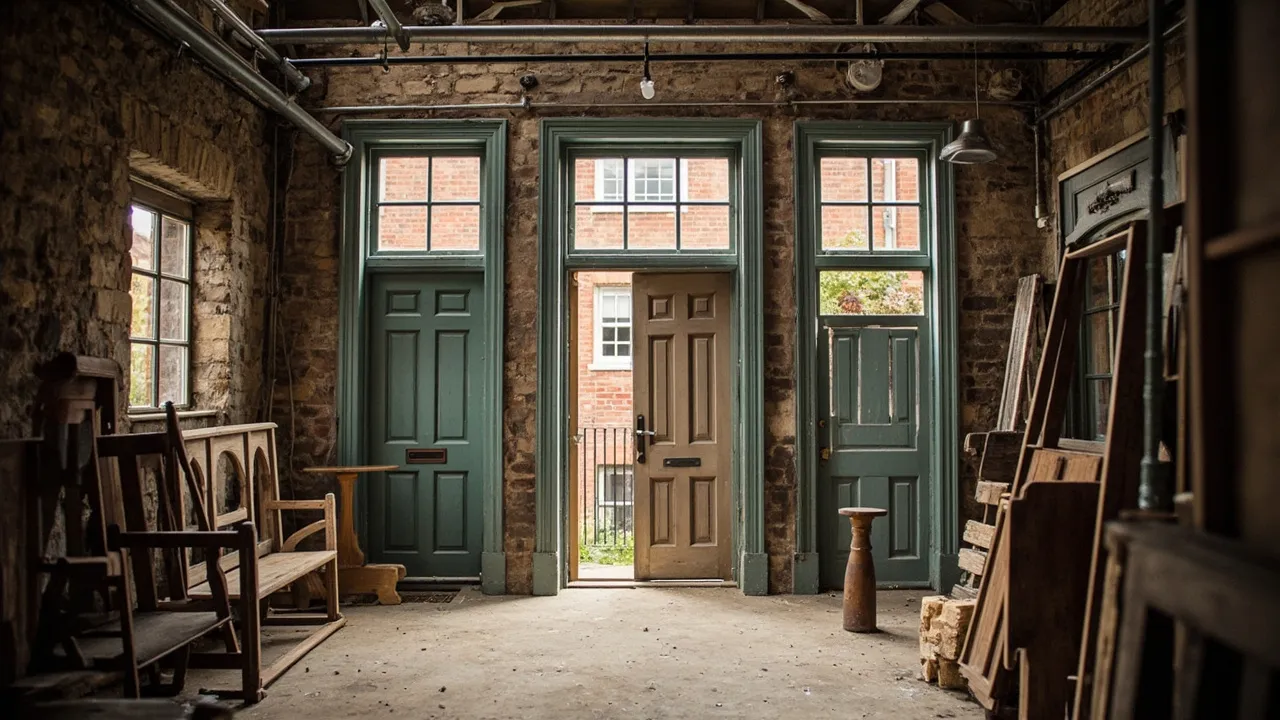
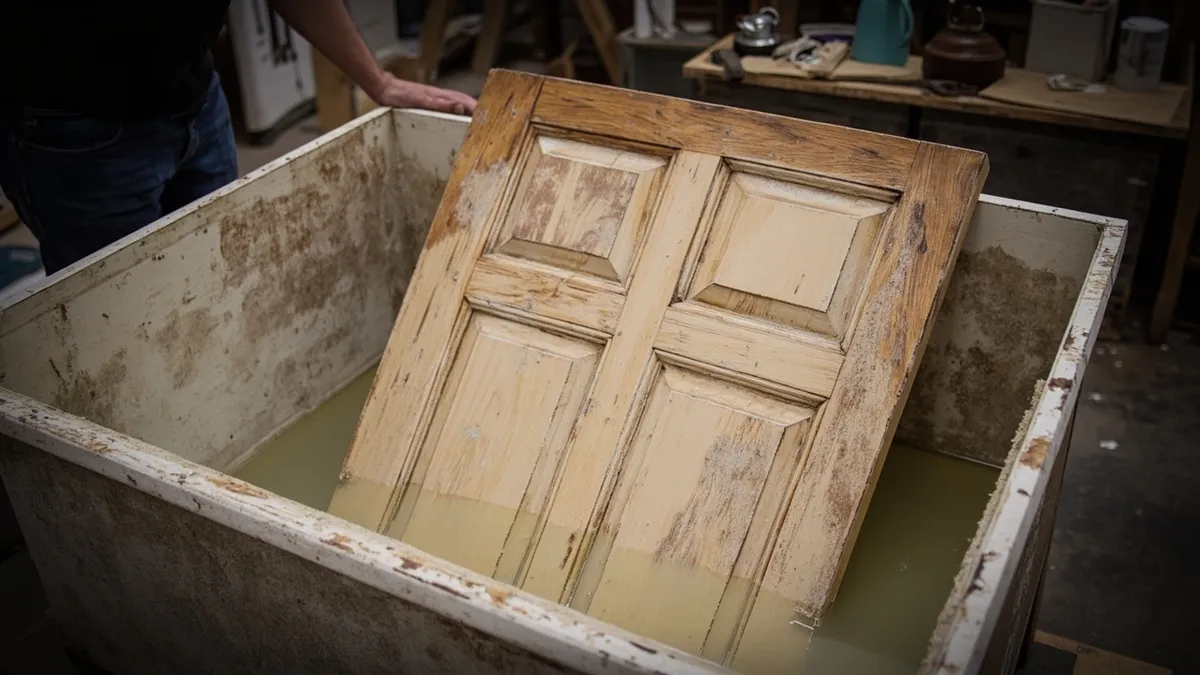
Dip and strip in Huddersfield happens at Double Dipper's workshop at Crossley Mills in Honley, a few miles south of the town centre. Sound doors and furniture go in the stripping bath, fragile pieces are stripped by hand, and everything is neutralised and dried before it comes home. Internal pine doors start from £60, and collection across Huddersfield is free.
- The workshop is at Unit 3, Crossley Mills, Honley, HD9 6PL, open Monday to Friday 9–5 and Saturday 10–2.
- Huddersfield is well inside our free 20-mile collection area, or you can drop pieces off yourself.
- Every piece is either dipped or hand-stripped, then neutralised, dried and hand-finished in the detail.
- Most doors are ready in 7–10 working days; fireplaces, radiators and metalwork usually take 2–3 weeks.
What does "dip and strip" actually mean?
It means lowering a painted piece into a stripping bath so the paint or varnish lets go of the timber everywhere at once. That's the big difference from scraping or heat. Paint in the corners of a panel, down the grooves of a moulding or in the carving on a chair back comes away with the rest, instead of being picked out a millimetre at a time.
It isn't right for everything, though, which is why dipping is only one half of what we do. The rest of this article follows a piece through the workshop, from the moment it arrives to the day it goes home.
Step 1: How do you decide whether to dip or hand-strip?
We look at the piece first and decide from what we find. Daniel checks the joints, the timber, any veneer, any glue and any glass before anything goes near the bath.
- Dip stripping suits sound, solid pieces: most four-panel pine doors, plain pine furniture, and metalwork such as fireplaces, radiators and gates.
- Hand stripping is for anything fragile: loose joints, thin veneer, pieces held together with old animal glue, and glazed doors where the glass can't come out.
You're told which method we'll use before we start, and why. There's more on that choice in our guide to dip stripping vs hand stripping.
Step 2: What happens in the bath?
The piece goes in and the old coatings soften and lift, layer by layer, until the timber or metal underneath is clear. Doors from Huddersfield terraces often carry many coats: original graining or paint from when the house was built, then generations of gloss on top. The bath works through all of it, including the paint packed into the mouldings that makes an old door look flat and tired.
Metal goes through the same thinking. Paint, powder coat and old enamel come off down to bare metal, so you can see the casting properly for the first time in decades.
Step 3: Why is everything neutralised?
Because stripping shouldn't leave anything behind in the grain. Once the coatings are off, every piece is neutralised so the timber is clean and stable and ready to take wax, oil or paint without problems later. It's a step that's easy to skip if you're rushing, and it's one we never skip.
Step 4: Drying and hand finishing
Wood takes on moisture during stripping, so every piece is dried before it leaves the workshop. Going back into a warm house too wet is how doors twist and joints open up, so this part isn't hurried.
After drying, the detail is finished by hand. That means going over mouldings, beading, panel edges and carving so the piece comes back crisp, not just bare. Metal pieces have any rust treated before they leave, then they're finished bare, in clear lacquer, waxed black, high-temperature enamel or oil gloss, depending on what you've asked for.
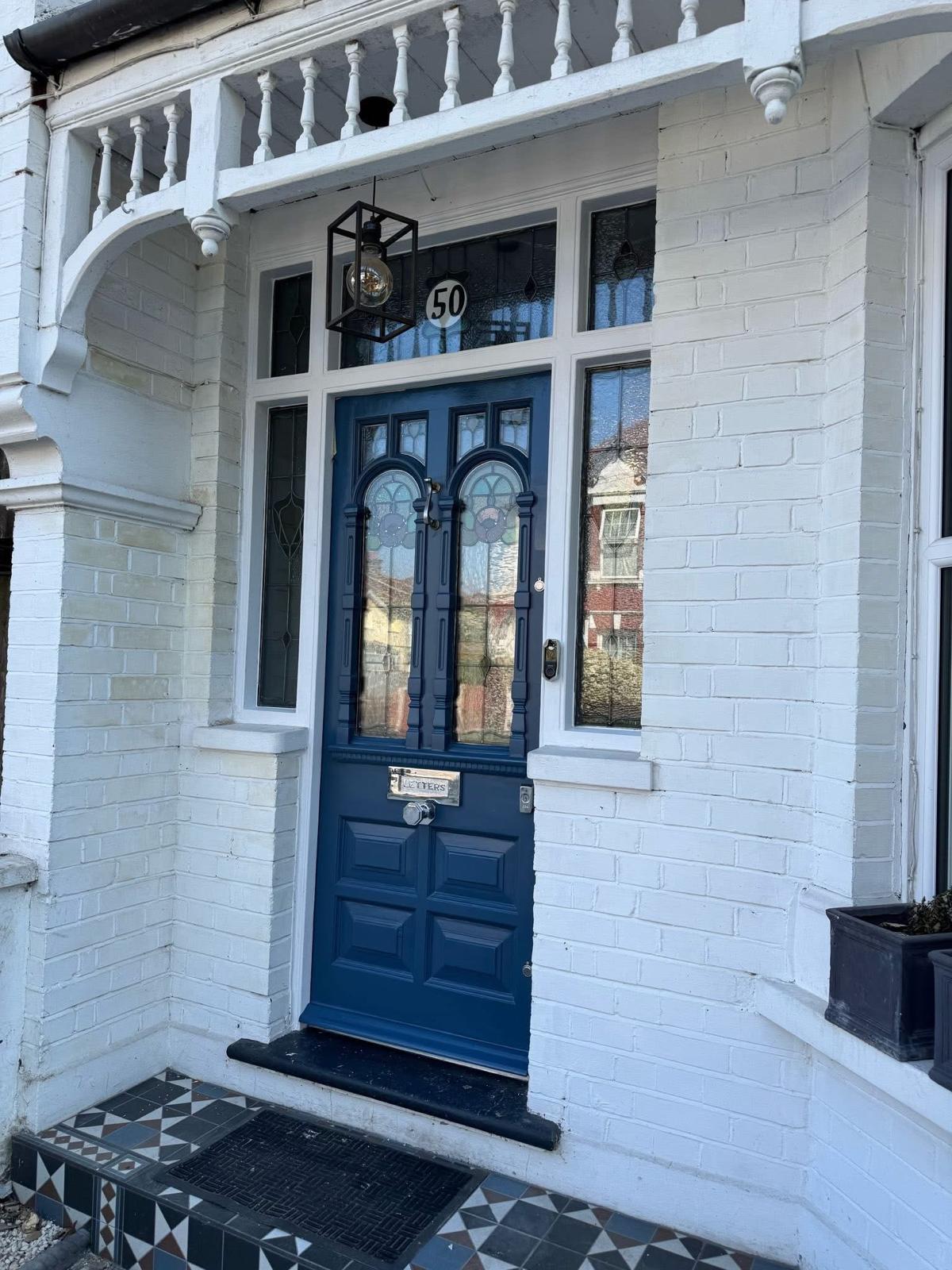
Want to see what your piece would look like stripped? Send a photo on WhatsApp or call Daniel on 01484 666 333. You'll usually get a price and a date within a day or two, or you can simply call in during opening hours.
Step 5: Do you finish pieces in the workshop?
Yes, if you'd like us to. Plenty of people take their doors home bare and wax or paint them themselves. Others want them finished, so we can do that in the workshop with Osmo, Fiddes, Farrow & Ball or Little Greene, the same products we sell in our wood finishes shop.
What comes through the door from Huddersfield?
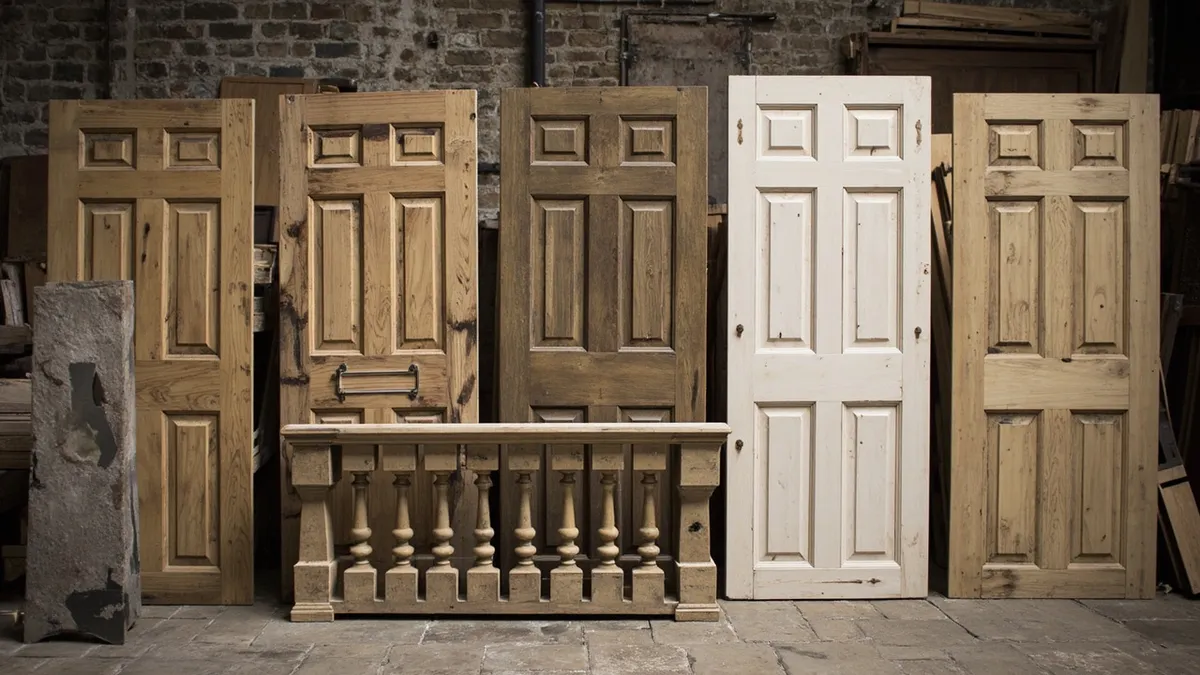
Mostly the joinery out of stone-built houses. The town and the valleys around it are full of Victorian terraces, weavers' cottages and bigger villas in places like Edgerton, Lindley, Birkby, Almondbury and up the Holme and Colne valleys. That means four-panel pine doors, staircases, pine chests and dressers, and cast-iron fireplaces found behind boarded-up chimney breasts.
We strip wood and metal only. uPVC, composite and laminate can't go through the process. Radiators need draining and disconnecting by a plumber before they come in.
How do I get a piece to the workshop?
Either bring it in or let us collect it. From Huddersfield, a door or a small table is an easy drop-off in a car during opening hours. For a full house of doors, a dining suite or a staircase, we collect for free, because Huddersfield sits well inside our 20-mile radius. Before collection, take off handles, hinges and locks, and label each door with its room.
What does it cost?
| Item | Price |
|---|---|
| Internal four-panel pine door | From £60 |
| External or stained-oak door | £80–£95 |
| Whole house of doors, as a batch | About £55–£80 per door |
| Cast-iron fireplace insert, stripped and refinished | From around £90 |
| Dining suite (six chairs and a table) | £320–£480 |
| Victorian or Edwardian staircase | £650–£1,200 |
Door prices include neutralising and drying. See the door stripping price guide for the detail.
Get a dip and strip quote in Huddersfield
Double Dipper has been at Crossley Mills since 2016 and is a member of the Guild of Master Craftsmen. You can read more about Daniel and the workshop, or head back to the Double Dipper homepage.
- Call 01484 666 333 or email info@doubledipperpaintstrippers.co.uk.
- Send photos through our contact page.
- See how we serve Huddersfield customers, or read about our door stripping service.
