Journal
Cast-Iron Fireplace Stripping Barnsley: Strip, Restore, Refit
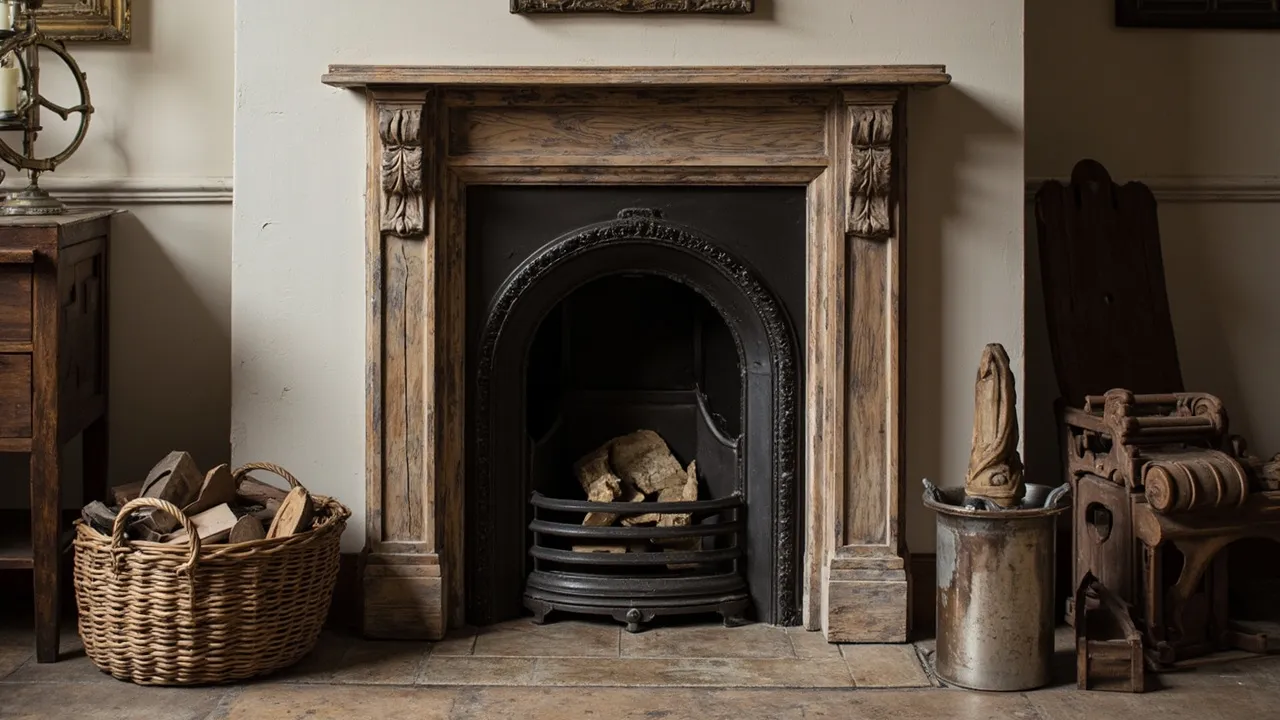
Cast-iron fireplace stripping for Barnsley homes is done at Double Dipper's workshop in Honley, and Barnsley is inside our free 20-mile collection area. We strip painted inserts and bedroom grates back to bare iron, treat the rust, then finish them bare, lacquered, waxed black, in high-temperature enamel or oil gloss. Inserts start from around £90 and usually take 2–3 weeks.
- Barnsley is within our free collection radius, so fireplaces are collected at no charge.
- A cast-iron fireplace insert is stripped and refinished from around £90.
- Paint, powder coat and old enamel come off to bare metal, and rust is treated before it leaves.
- Doors, furniture and radiators from the same house can come on the same collection.
Why do so many Barnsley terraces have cast-iron fireplaces?
Because the houses were built to be heated by coal, and in a coalfield town coal was never in short supply. Barnsley and the villages around it, from Cudworth and Royston to Wombwell, Hoyland and Grimethorpe, grew fast in the late Victorian and Edwardian years as the pits expanded. Rows of brick and stone terraces went up for mining families, and they were fitted with a fireplace downstairs and usually a small cast-iron grate in the bedrooms too.
Many mining households also received coal as part of their pay, so open fires stayed in everyday use in the area for a long time. When central heating arrived, most bedroom grates were painted over, boarded up or pulled out. Plenty are still there, hidden behind hardboard or a later fire surround.
What does a Barnsley bedroom fireplace usually look like?
Small, all-iron and more decorative than people expect. A typical terrace bedroom grate is a single casting or a few pieces bolted together: a surround with a shelf, a small arched or square opening, and a grate or fret at the bottom. The castings often carry floral or geometric patterns that disappear under paint.
Downstairs, you're more likely to find a cast-iron insert set into a timber or tiled surround. Both kinds strip well, and both are usually in better condition under the paint than they look.
Step 1: Strip it back to bare iron
This is the part we do in the workshop. The fireplace goes through our stripping process, which removes paint, powder coat and old enamel from every recess of the casting, not just the flat faces. That's where hand scraping and wire brushing struggle, because the detail is exactly where the paint is thickest.
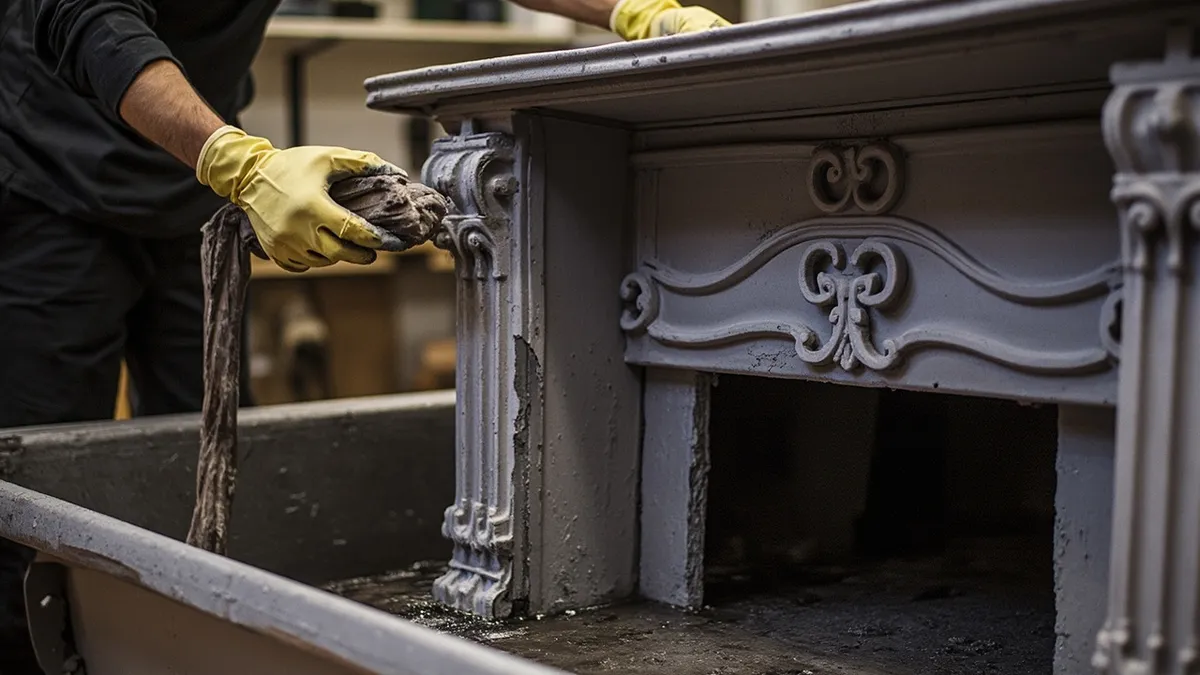
Before you send a fireplace, take a few photos of it in place, and remove it from the chimney breast carefully. Cast iron is strong but brittle, so it can crack if it's levered hard or dropped. Keep every loose part together, and if the insert has tiles, mention them when you send your photo so we can talk through how they'll be handled. Our guide to the best way to strip paint from a cast-iron fireplace covers the job in more detail.
Step 2: Restore it with rust treatment and a finish
Once it's bare, any rust is treated before it leaves the workshop. Then it's finished the way you want:
| Finish | Suits |
|---|---|
| Bare metal | A raw, industrial look |
| Clear lacquer | Showing the bare iron while keeping it sealed |
| Waxed black | The traditional look for a Victorian or Edwardian grate |
| High-temperature enamel | A fireplace you plan to light |
| Oil gloss | A painted finish to match a room scheme |
If you're not sure which to pick, tell us how you'll use the fireplace and we'll talk you through it. See our cast-iron fireplace stripping service for more.
Found a grate behind the boarding? WhatsApp a photo or call Daniel on 01484 666 333 and you'll usually have a price and a collection date within a day or two.
Can you strip the fire surround as well?
If it's wood or metal, yes. Painted timber surrounds and mantel shelves are common in Barnsley terraces, and they can come to the workshop with the insert to be stripped and finished to match. We strip wood and metal only, so stone, marble and slate surrounds stay where they are. A painted pine surround goes through our furniture stripping service and is quoted from a photo.
Step 3: Refit it
Refitting is a job for you or your fitter once the fireplace comes home. If it's going back in purely as a feature, it can go straight in. If you want to light a fire in it, have the chimney swept and checked by a qualified professional first, and make sure the installation meets current Building Regulations. A bedroom flue that's been sealed for decades may need work before it's safe to use.
How much does fireplace stripping cost?
A cast-iron fireplace insert is stripped and refinished from around £90. Larger or more complicated fireplaces are quoted from a photo. If you're doing up the whole house, other pieces are priced like this:
- Internal four-panel pine door: from £60
- External or stained-oak door: £80–£95
- Whole house of doors, stripped as a batch: about £55–£80 per door
See the full price guide for more.
Do you collect from Barnsley?
Yes. Barnsley is inside our free 20-mile collection area, so fireplaces, sets of doors and larger pieces are collected at no extra charge. You can also drop pieces at Unit 3, Crossley Mills, Honley, HD9 6PL, open Monday to Friday 9am–5pm and Saturday 10am–2pm. Fireplaces and other metalwork usually take 2–3 weeks; doors usually take 7–10 working days.
If you have old cast-iron radiators to strip as well, they must be drained and disconnected by a plumber before they come in. Our cast-iron radiator stripping service explains more.
Get a quote for fireplace stripping in Barnsley
Double Dipper has worked from Crossley Mills in Honley since 2016 and is a member of the Guild of Master Craftsmen.
- Call 01484 666 333 or email info@doubledipperpaintstrippers.co.uk.
- Send photos through our contact page.
- Read more about paint stripping for Barnsley, or see our door stripping service if the doors need doing too.
