Journal
Antique Pine Wood Stain or Stripped Pine: Which Looks Real?
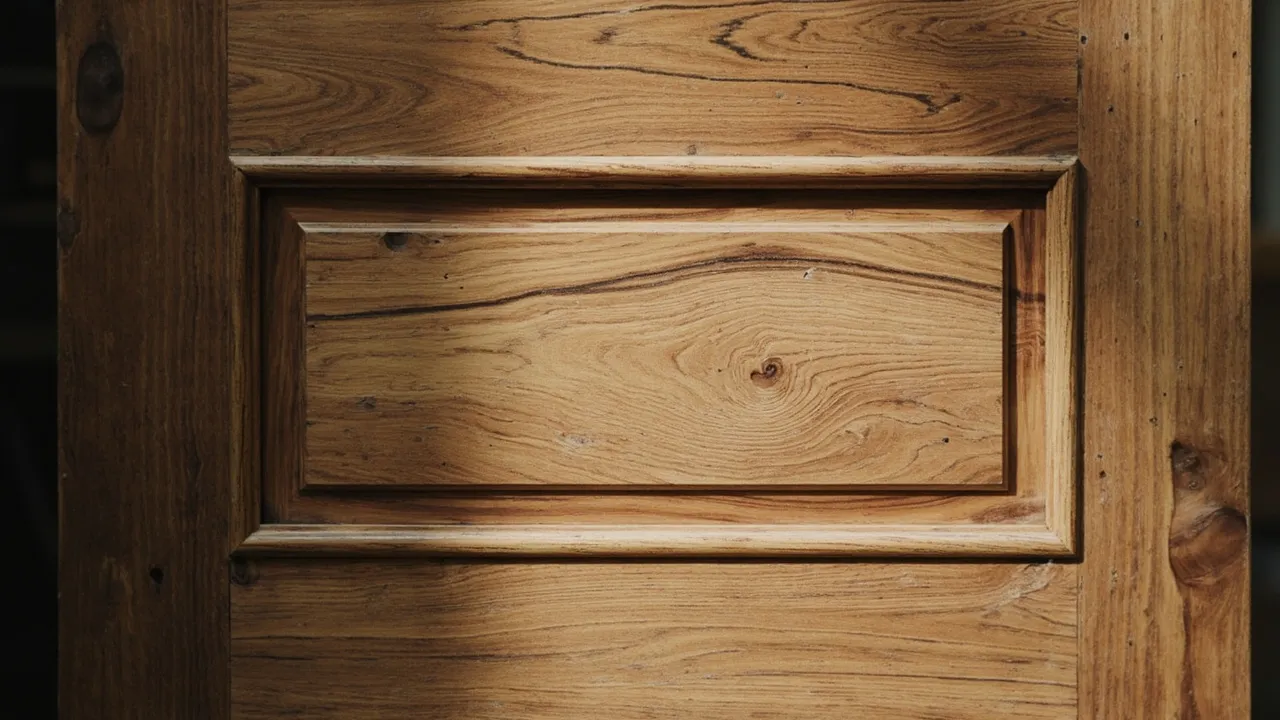
An antique pine wood stain can give new pine a warm honey-to-amber tone, but the real antique pine colour comes from age, not a tin. Old pine that's been stripped back usually already has it. At Double Dipper in Honley we strip painted pine every week, and here's how to choose between staining new timber and stripping old.
- Old pine already has the colour: decades of light and air darken it naturally, and stripping reveals it.
- New pine is pale: a stain can get close to the antique look, but test it first because pine blotches.
- Stripped pine rarely needs stain: a clear wax or oil is often all it takes.
- Finishes matter as much as colour: we sell Osmo, Fiddes, Farrow & Ball and Little Greene products for the job.
What colour is antique pine?
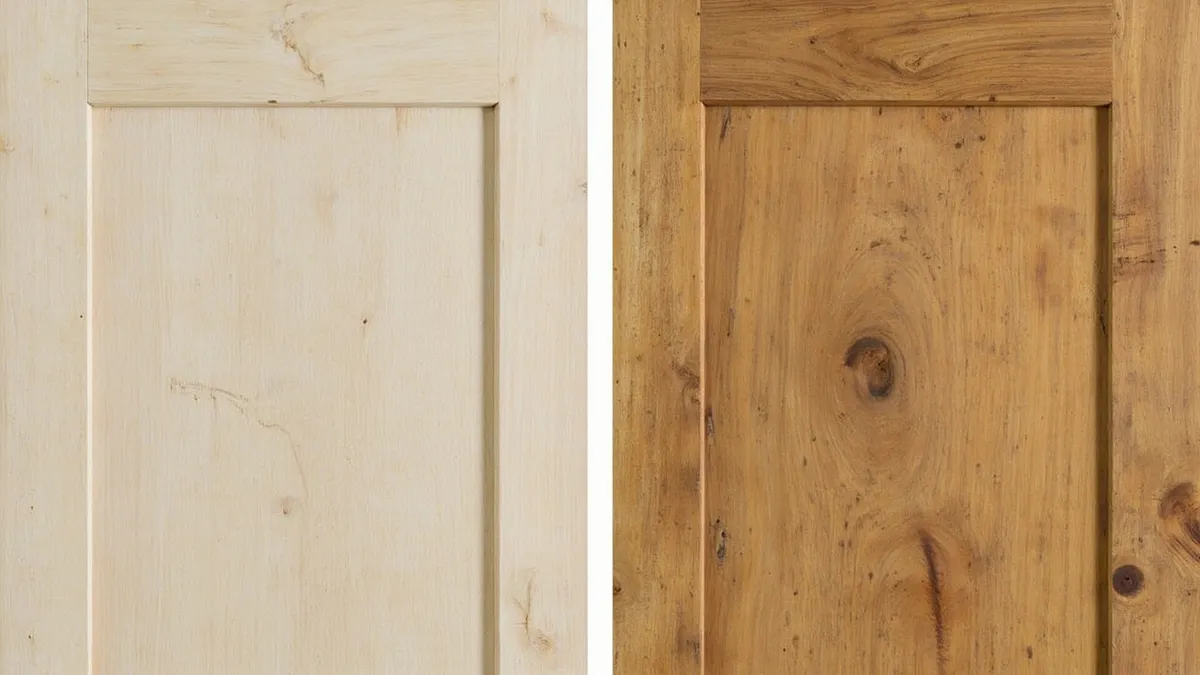
Antique pine is a warm honey, amber or light orange-brown, often with darker knots and a soft glow where hands have worn the edges. It isn't one exact shade. Pine from different trees, different rooms and different decades all ages slightly differently, which is part of its charm.
That colour isn't something someone painted on. Pine darkens as it's exposed to light and air over many years. Under paint the process slows, but the timber still takes on depth. When a Victorian four-panel door or an old dresser is stripped, the wood underneath is usually much warmer than anything you'll find in a timber merchant's rack today.
Why does stripped old pine already look antique?
Because it's genuinely old. The tone runs into the surface of the timber, the grain is usually tighter than modern fast-grown pine, and there are small marks, nail holes and wear that no stain can fake. Stripping takes off the paint and varnish, not the age.
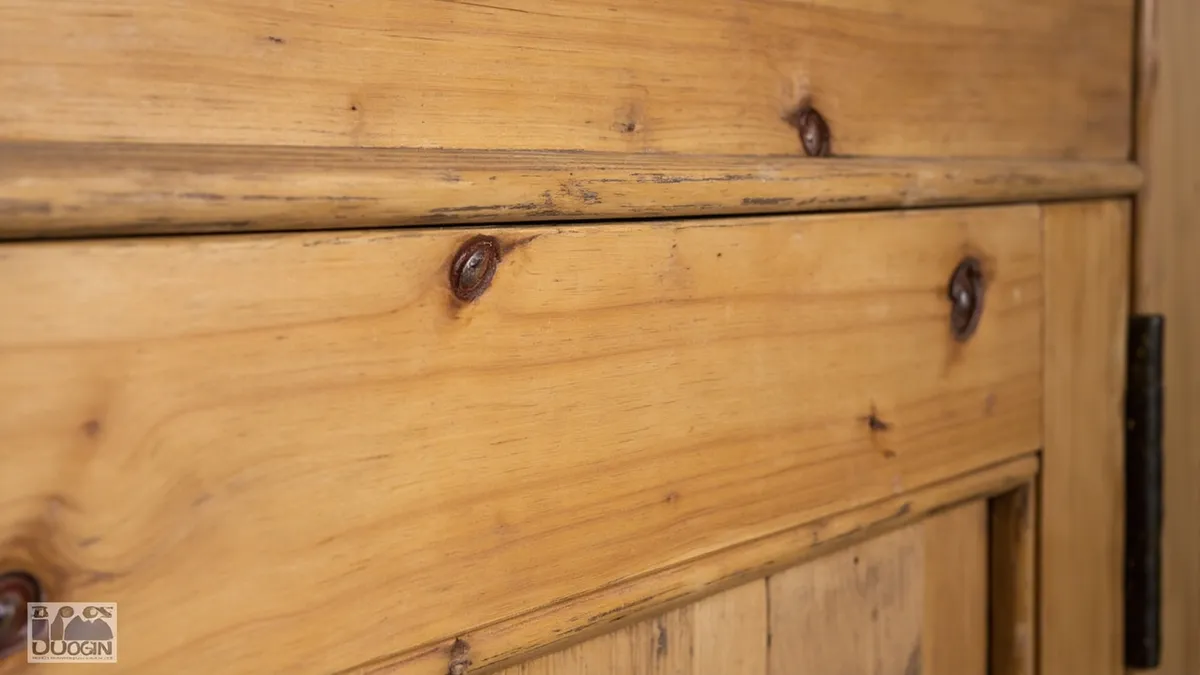
After dipping, a piece is neutralised and dried, and the surface can look a little pale or dry at first. That's normal. As soon as a wax or oil goes on, the warmth comes back and the grain lifts. This is why we usually tell people not to reach for a stain on stripped pine until they've seen it with a clear finish on. Our guide to painting or waxing stripped reclaimed pine doors goes into the choice in more detail.
Can you stain new pine to look like antique pine?
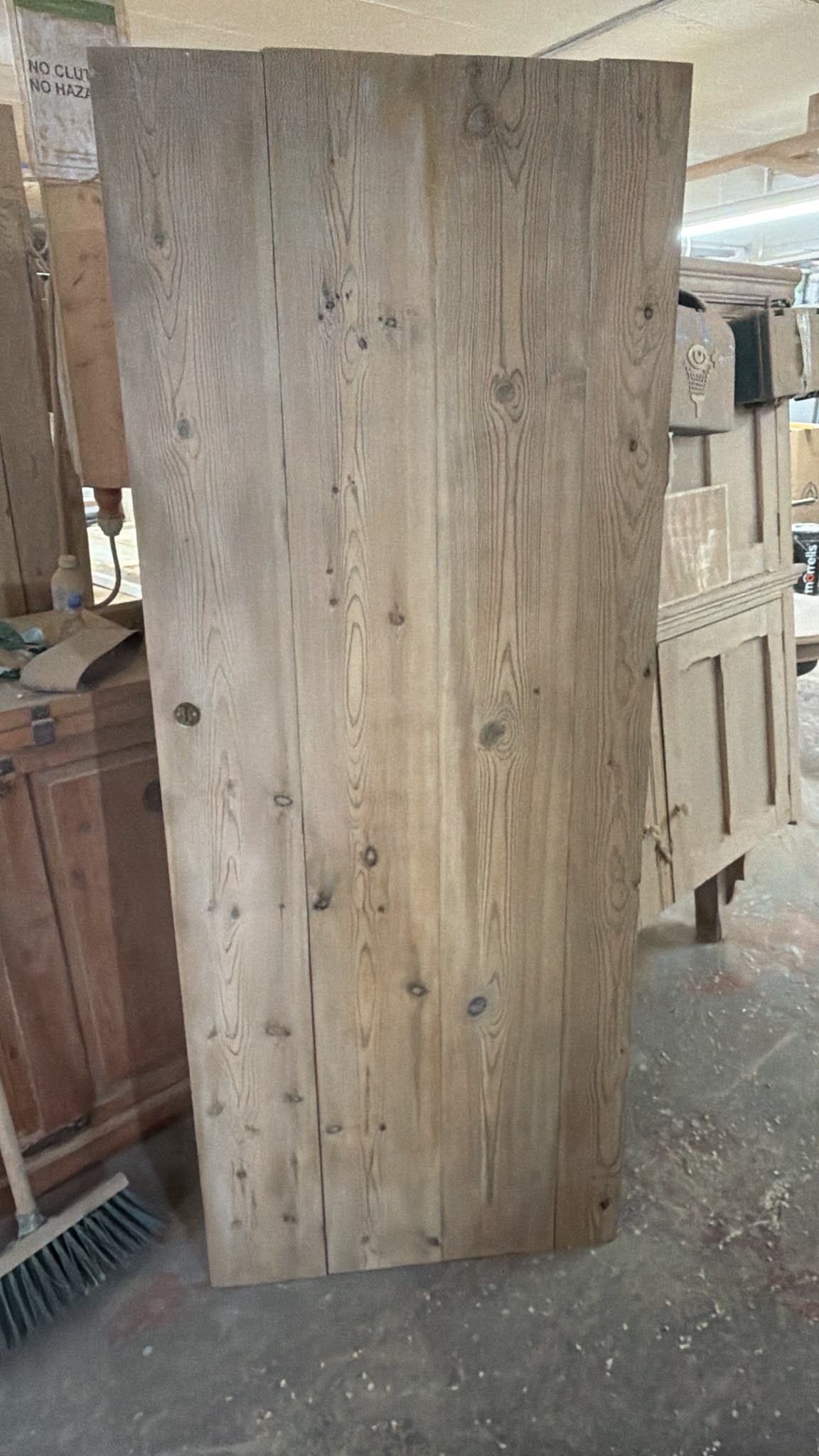
Yes, you can get close, but new pine fights you. It's soft, the grain varies between hard and soft bands, and it soaks up stain unevenly. That's what causes the blotchy, stripy look people often get on their first attempt.
A few rules from the workshop help:
- Sand evenly and remove all dust before you start.
- Test on an offcut or the back of the piece, and let it dry fully before judging the colour.
- Build up lightly. Two thin coats are easier to control than one heavy one.
- Go lighter than you think. The topcoat of wax or oil will darken the colour again.
- Seal it. Stain alone gives colour, not protection.
Even done well, stained new pine looks like new pine with a colour on it. Knots, grain and edges give it away up close. For a kitchen unit or shelving that may be perfectly fine. For a period room where you want the real thing, old pine is hard to beat.
Should you stain stripped pine at all?
Usually not, but sometimes a touch helps. If a set of doors from different parts of the house come back in slightly different shades, or a replacement panel is newer than the rest, a light stain can bring them closer together. That's matching, not making it look old.
The risk with heavy stain on old pine is that it hides the very thing you paid to uncover. It can also go patchy where old filler, glue or repairs take colour differently from the timber. Try a clear finish first, live with it for a few days, and only stain if you still want a change.
Call 01484 666 333 or use our contact page.
Is it better to strip reclaimed pine or buy new and stain it?
Sound doors and furniture go in the dip bath, which reaches every moulding and edge at once. Veneered or glued pieces, loose joints and glass that can't come out are stripped by hand instead. If you're unsure which suits your piece, read dip stripping vs hand stripping.
New pine makes sense when there's nothing old to work with, when you need a size that doesn't exist, or for fitted joinery. Just expect it to look new for a good while.
Which finish gives the best antique pine look?
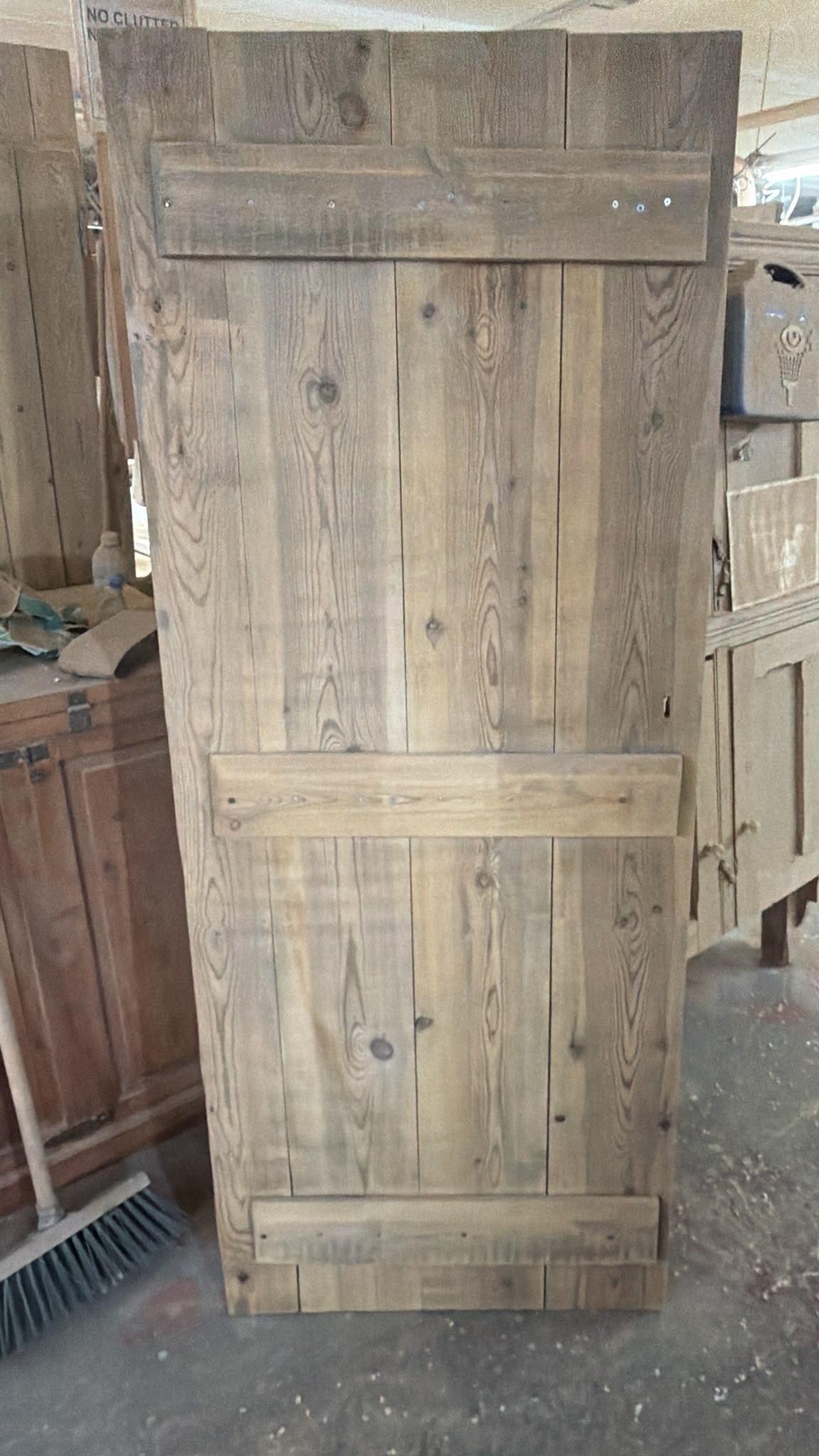
A wax or oil is usually the best finish for an antique pine look, because both deepen the colour and let the grain show. Which one depends on how the piece is used.
| Finish | Look | Good for |
|---|---|---|
| Clear wax | Soft sheen, warms the colour | Internal doors, dressers, chests |
| Tinted wax | Adds a little depth in the grain and corners | Evening out pale or mixed pieces |
| Hardwax oil | Natural, slightly deeper, more hard-wearing | Tables, worktops, busy doors |
| Paint | Covers the wood completely | Pieces where the timber isn't worth showing |
We sell Osmo and Fiddes products for oiling and waxing, and Farrow & Ball and Little Greene paints if you decide the piece should be painted after all. Browse them in our wood finishes shop, and see our guide to the best wax and oil finish for newly stripped pine doors for step-by-step advice. Finishing is also available in the workshop using the same products.
What about old paint on pine: is it safe to sand?
Be careful. Paint on pine in older houses may contain lead, and dry sanding it is one of the riskiest ways to remove it. The HSE's frequently asked questions on lead list dry sanding and burning off old paint in pre-1980s properties among the jobs to take care with. Stripping in a workshop keeps that dust out of your home, and the piece comes back neutralised and dry, ready for wax or oil.
Frequently asked questions
Does stripped pine go orange?
Old pine is naturally warm, and some finishes deepen that more than others. If you want to keep it lighter, test a clear wax or oil on a hidden area first.
Can you strip pine that has been stained before?
Stripping removes paint and varnish well. Stain that has soaked deep into the timber may leave some colour behind, which usually blends in once the piece is waxed or oiled.
Can you strip pine-effect laminate?
No. We strip wood and metal only, not uPVC, composite or laminate.
Get a quote from Double Dipper
If you want the real antique pine colour rather than a stained imitation, let us strip it back for you. Double Dipper is a paint stripping workshop at Unit 3, Crossley Mills, Honley, Huddersfield, stripping wood and metal since 2016, and we're members of the Guild of Master Craftsmen. Every piece is neutralised and dried before it comes home, ready for your chosen finish. Most doors are ready in 7–10 working days.
- Free collection within 20 miles of Honley, covering Huddersfield, Holmfirth, Halifax, Wakefield, Leeds, Bradford and Barnsley.
- Further away? Drop off at the workshop, send smaller items by overnight courier, or ask us to quote a van collection.
- See finished work in our gallery.
Call 01484 666 333, email info@doubledipperpaintstrippers.co.uk or send a photo through our contact page. We're open Monday to Friday 9–5 and Saturday 10–2.
