Journal
Victorian Cast Iron Radiators: Restore or Replace?
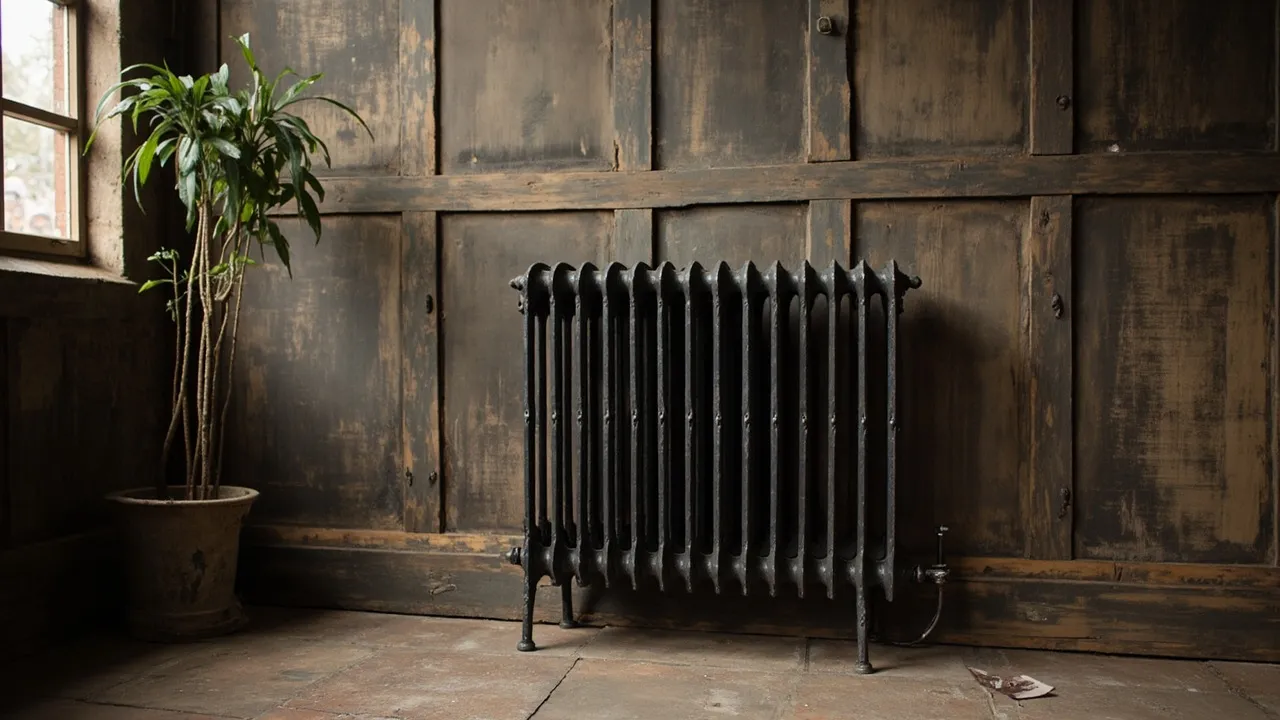
A Victorian cast-iron radiator is usually worth restoring rather than replacing, as long as the sections are sound and your plumber is happy with it. Double Dipper strips old paint and enamel back to bare metal, treats the rust and refinishes it, so an original radiator keeps its character. Larger pieces like radiators usually take 2–3 weeks.
- Original Victorian and antique cast-iron radiators are heavy, slow to heat and slow to cool, and they suit period rooms better than most new copies.
- We remove paint, powder coat and old enamel to bare metal, and treat rust before the radiator leaves the workshop.
- Your radiator must be drained and disconnected by a plumber before it comes in.
- Finishes include bare metal, clear lacquer, waxed black, high-temperature enamel and oil gloss.
Is it worth restoring a Victorian cast-iron radiator?
In most cases, yes. If the radiator already hangs on your wall and does its job, restoring it keeps an original feature in the house and avoids buying a heavy new one. Cast iron is a durable material. The iron itself rarely wears out; what fails is the finish on top of it.
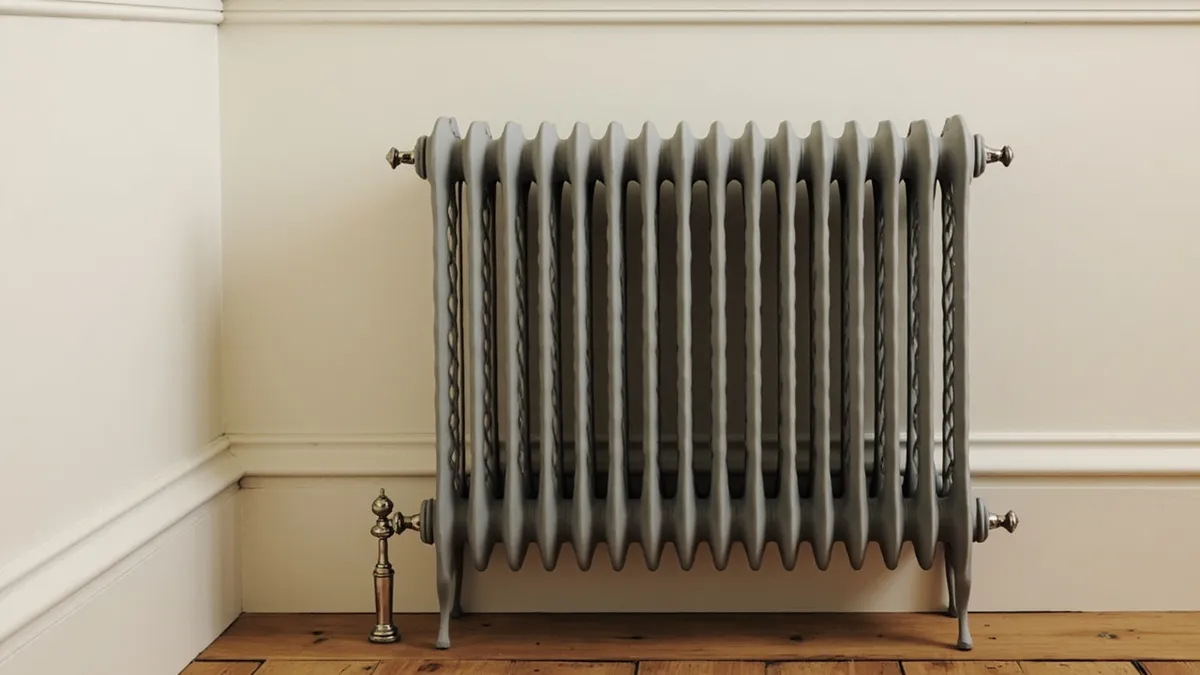
Most old radiators look worse than they are. Decades of magnolia gloss, flaking silver paint and patches of rust make a radiator look tired, but underneath there's often crisp casting: column detail, floral panels on the ornate styles, and clean edges that have been buried for years. Once it's stripped, you can see exactly what you've got.
There are good reasons people keep originals:
- Character. The proportions and casting of an original radiator match the ceiling heights, skirtings and architraves of a period room.
- Heat. Cast iron holds warmth and gives it back slowly, which many owners prefer to the quick on-off heat of thin steel panels.
- It's already there. The pipework, brackets and wall fixings were set up for it, which keeps the refit simpler.
When should you replace a radiator instead?
Replace it when the problem is inside the iron, not on its surface. Stripping solves paint build-up, flaking and surface rust. It can't fix a cracked section or a radiator that no longer holds water.
Before you decide, ask your plumber to look at it. The sort of things worth talking through with them:
- Any history of leaks, weeping joints or damp patches on the floor below.
- Visible cracks in a section, especially near the top or bottom.
- Whether the valves and connections are in reasonable order, or need replacing when it goes back.
- Whether the radiator is big enough to heat the room on your current system.
If your plumber is confident the radiator itself is sound, it's a good candidate for stripping. If they have doubts, it's better to hear them before you spend money on a finish.
What's the difference between a Victorian and an "antique" radiator?
People use the words loosely, and for stripping purposes it doesn't matter much. "Victorian" usually means an original column or ornate radiator from a house of that era. "Antique" is often used for any old cast-iron radiator, including Edwardian and later school or chapel styles, and radiators bought second-hand to fit into a period home.
What matters to us is the condition: how much paint is on it, whether there's old enamel or powder coat, and how much rust is under it. All of these come off in the workshop. If you've bought an antique radiator second-hand, the same advice applies: have a plumber check it before it's fitted, and get it stripped and finished while it's off the wall.
How do we strip a cast-iron radiator?
We take it back to bare metal, then deal with the rust before it goes anywhere. Paint, powder coat and old enamel all come off, including the layers packed between the columns that you can't reach with a brush or scraper at home. The detail is finished by hand.
The steps are straightforward:
- Your plumber drains and disconnects it. We can't accept a radiator that's still full of system water, so it must be drained and disconnected before it comes in.
- We strip it to bare metal. Every coat comes off, back to clean iron.
- We neutralise and dry it. This is done for every piece that comes through the workshop.
- We treat the rust. Bare cast iron rusts quickly, so rust is treated before the radiator leaves.
- We finish it, if you want us to, in the finish you choose.
There's more on dealing with rust in our guide to rust treatment for cast-iron radiators before repainting.
Got an old radiator you'd like to keep? Send us a photo on WhatsApp or call Daniel on 01484 666 333. Tell us roughly how many columns and sections it has, and we'll give you a price and a date. Full details are on our cast-iron radiator stripping service page.
Which finish suits a restored Victorian radiator?
That depends on the room and how much you want the radiator to stand out. Once it's stripped, you have a free choice, because there's no old paint to work around. These are the finishes we offer:
| Finish | What it looks like | Suits |
|---|---|---|
| Bare metal | Plain iron, ready for you to finish yourself | People who want to paint it at home |
| Clear lacquer | The natural grey of the iron, sealed | Industrial and mill-conversion interiors |
| Waxed black | A soft, traditional black sheen | Period rooms with dark joinery or cast-iron fireplaces |
| High-temperature enamel | A hard-wearing coloured finish | Radiators that run hot |
| Oil gloss | A classic painted gloss | Matching woodwork or a heritage colour scheme |
If you'd like a painted finish in a heritage colour, have a look at the paints we stock, including Farrow & Ball and Little Greene.
How do I get a radiator to the workshop?
If you're within 20 miles of Honley, we collect for free. That covers Huddersfield, Holmfirth, Honley, Halifax, Wakefield, Leeds, Bradford and Barnsley. Cast-iron radiators are heavy, so collection saves you a lot of lifting.
Further away, in places like Sheffield, Manchester, York or Harrogate, you can drop off at Unit 3, Crossley Mills, Honley, HD9 6PL, or we quote a van collection separately. Whichever you choose, make sure your plumber has drained and disconnected it first. Opening hours are Monday to Friday 9am–5pm and Saturday 10am–2pm.
How long does radiator restoration take?
Radiators usually take 2–3 weeks in the workshop, from arrival to being ready to collect. That includes stripping, neutralising, drying, rust treatment and any finish you've asked for. Plan the plumbing around it: many people have the radiator taken off at the start of a decorating job so the walls can be done while it's away, then have it refitted at the end.
Frequently asked questions
Can you strip a radiator while it's still on the wall?
No. It needs to come off the wall, drained and disconnected by a plumber, so we can strip it properly in the workshop.
Will stripping damage the casting?
No. Stripping removes the coatings, not the iron. Detail that's been buried under paint for decades usually comes back sharper.
Can you strip a powder-coated radiator?
Yes. Powder coat and old enamel are removed to bare metal, just like paint, and the rust is treated before it leaves.
Get a quote for your Victorian radiator
Double Dipper Paint Strippers is a Guild of Master Craftsmen member, trading from Crossley Mills in Honley since 2016. To get a price:
- Call 01484 666 333 or email info@doubledipperpaintstrippers.co.uk.
- Send a photo and rough size through our contact page.
- See more about cast-iron radiator stripping, or browse finished work in our gallery.
