Journal
Stripping Paint from Doors or Repainting: Which Is Right?
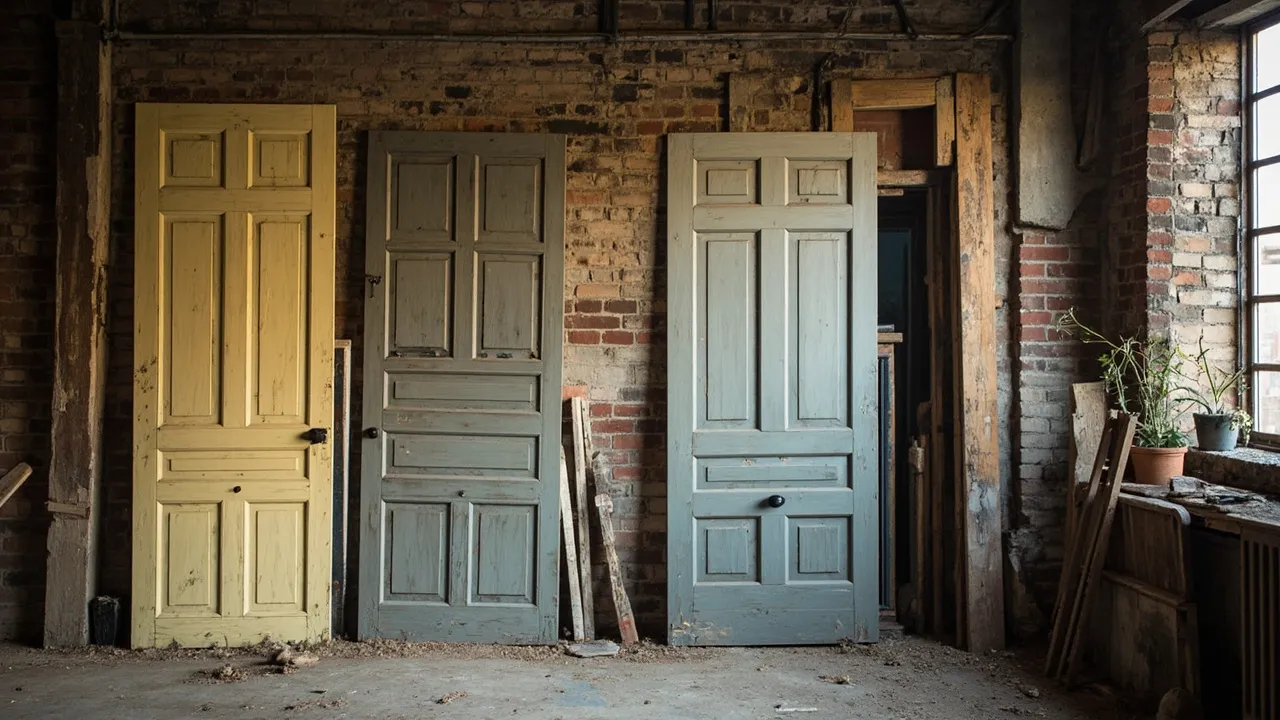
Strip your painted front door if the paint is thick, cracking, hiding the mouldings or making the door stick; just repaint if the old paint is sound and thin. Stripping paint from doors takes them back to bare timber so new paint lasts. At Double Dipper, external doors cost £80–£95 to strip, neutralise and dry.
- Repaint when the existing paint is sound, thin and well bonded, and the detail still looks sharp.
- Strip when paint is flaking, crazed or so thick the mouldings look soft and the door binds in its frame.
- Older doors may carry lead paint, so avoid sanding or burning it at home.
- External doors cost £80–£95 to strip; internal pine doors are from £60.
When is it fine to just repaint?
If the existing paint is in good shape, a proper repaint is all a door needs. That means the paint is firmly stuck to the wood, there's no widespread cracking or flaking, and the mouldings still have crisp edges. In that case, wash the door down, fill any small dents, key the surface lightly and apply a good undercoat and top coat.
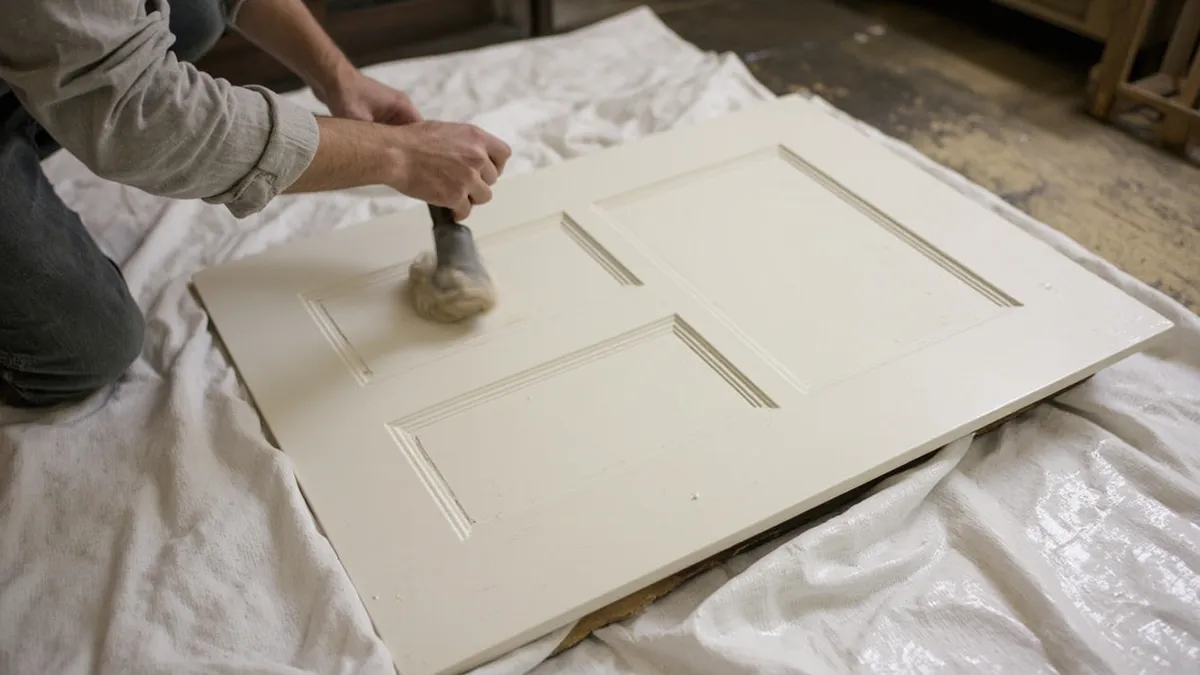
Repainting is quicker, cheaper and keeps the door on its hinges. For a door painted within the last decade or so that has simply faded or picked up a few knocks, it's usually the right call.
What are the signs a door needs stripping?
A door needs stripping when new paint would only be sitting on top of a failing surface. Look for these signs:
- Thick build-up. The panel mouldings look rounded and soft, and the edges of the beading have disappeared under paint.
- Crazing and cracking. Old paint that has cracked into a network of fine lines will keep cracking through any new coat.
- Flaking or peeling. If paint is lifting in patches, the layers underneath have lost their grip.
- Sticking or binding. A door that catches on its frame often has too much paint on the edges, not a swollen frame.
- Bare patches and rot risk. Where paint has failed on an external door, water gets into the timber.
If you tick two or more of these, stripping will give you a far better result than another coat on top.
Why does paint build-up matter so much?
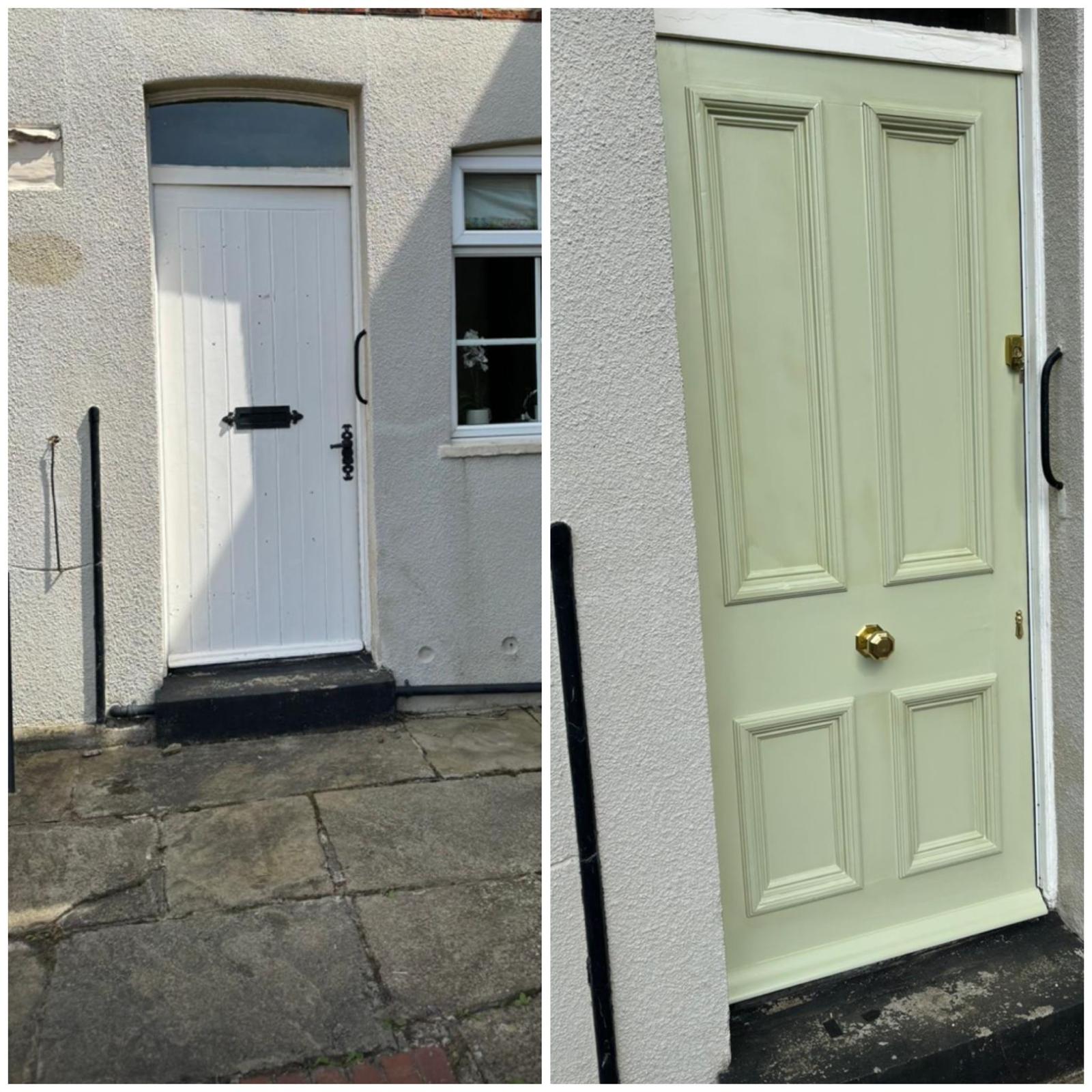
Because every coat of paint blurs the door's detail a little more. A period front door was designed with sharp mouldings, crisp panel edges and clear shadow lines. After decades of repainting, those details fill up, and the door starts to look flat and heavy. No amount of careful painting brings them back, because the problem is the paint already there.
Thick paint also doesn't move well. Timber expands and contracts with the seasons, especially on an external door, and heavy layers of old, brittle paint crack as it does. New paint applied over the top inherits those cracks. Stripping gives the new finish bare, sound timber to bond to, so it looks better and lasts longer.
What about lead paint on older doors?
If your door was painted decades ago, some of the older layers may contain lead. That's common on period front doors, which have often been repainted many times over their lives. Lead paint isn't usually a problem while it's intact and covered, but it becomes one when it's disturbed.
Sanding creates fine lead dust, and burning off with heat can give off fumes. Both are best avoided in a home, especially around children and pregnant women. If you're repainting over sound old paint, keep preparation gentle and use wet methods rather than dry sanding. If the paint is failing and needs to come off, sending the door away to be stripped keeps the dust and fumes out of your house. Our guide to safely stripping lead paint from a Victorian front door explains more.
Can't decide whether to strip or repaint? Send a close-up photo of the mouldings and any cracked areas on WhatsApp, or call Daniel on 01484 666 333. We'll tell you honestly whether it needs stripping, and give you a price and a date if it does.
Should you strip a front door yourself?
You can, but it's slow, messy work on a period door. Heat and scrapers struggle to reach paint in the corners of panels and deep in the mouldings, so you often end up with a door that's mostly stripped but still has paint in every recess. Heat can scorch the wood and crack glass, and chemical stripping at home means fumes, residue and waste to deal with. There's also the lead risk above.
A front door also has to come off its hinges for any serious stripping, and your house needs securing while it's gone. Many people find it easier to have a temporary board fitted, or to time the job with a joiner or decorator, while the door is away.
How does professional door stripping work?
At our workshop, every door is checked first. Sound doors are dipped in the stripping bath, which removes every layer of paint at once, including the paint packed into mouldings and panel corners. Fragile doors, veneered doors and doors with leaded or stained glass that can't come out are stripped by hand. Every door is then neutralised, dried and hand-finished. See our door stripping service for the full process.
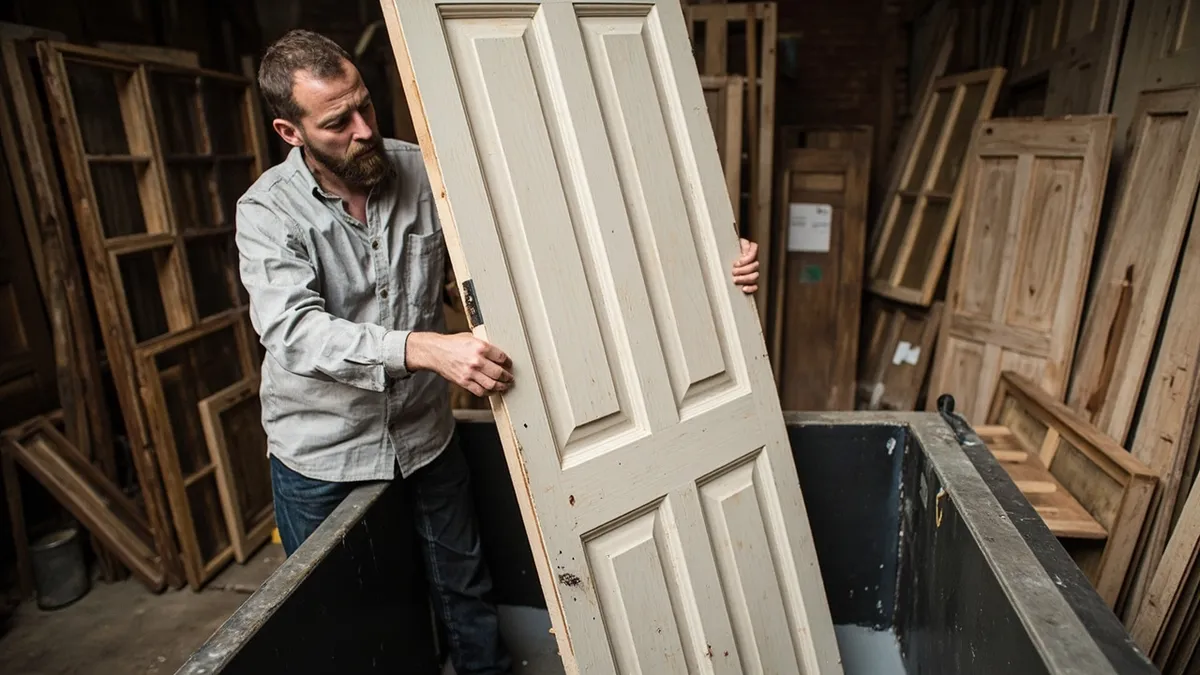
Most doors are ready in 7–10 working days. We collect free within 20 miles of Honley, covering Huddersfield, Holmfirth, Halifax, Wakefield, Leeds, Bradford and Barnsley. From further away, you can drop off at the workshop, courier smaller items, or have a van collection quoted.
What does it cost to strip a door?
These are our published prices, including neutralising and drying:
| Door | Price |
|---|---|
| Internal four-panel pine door | From £60 |
| External or stained-oak door | £80–£95 |
| A whole house of doors, stripped as one batch | About £55–£80 per door |
The full breakdown is on our door stripping prices page. If your internal doors have the same problems, doing them in one batch with the front door keeps the cost per door down.
What should you do after the door is stripped?
Paint it, wax it or oil it, depending on the door and the house. Most period front doors were painted, and a fresh paint system on bare, stripped timber looks crisp and lasts. We can finish your door in the workshop using the products we sell, including Farrow & Ball and Little Greene paints, or you can take it home bare and ready to finish. Browse our heritage paints if you'd like to choose a colour.
Get a quote for stripping your door
Double Dipper is a Guild of Master Craftsmen member working from Crossley Mills in Honley since 2016. We strip wood and metal only, so uPVC and composite doors can't be done.
- Call 01484 666 333 (Monday to Friday 9am–5pm, Saturday 10am–2pm) or email info@doubledipperpaintstrippers.co.uk.
- Send photos through our contact page.
- See stripped and repainted doors in our gallery.
