Journal
Hand Stripping vs Bath Dipping Antique Pine Furniture
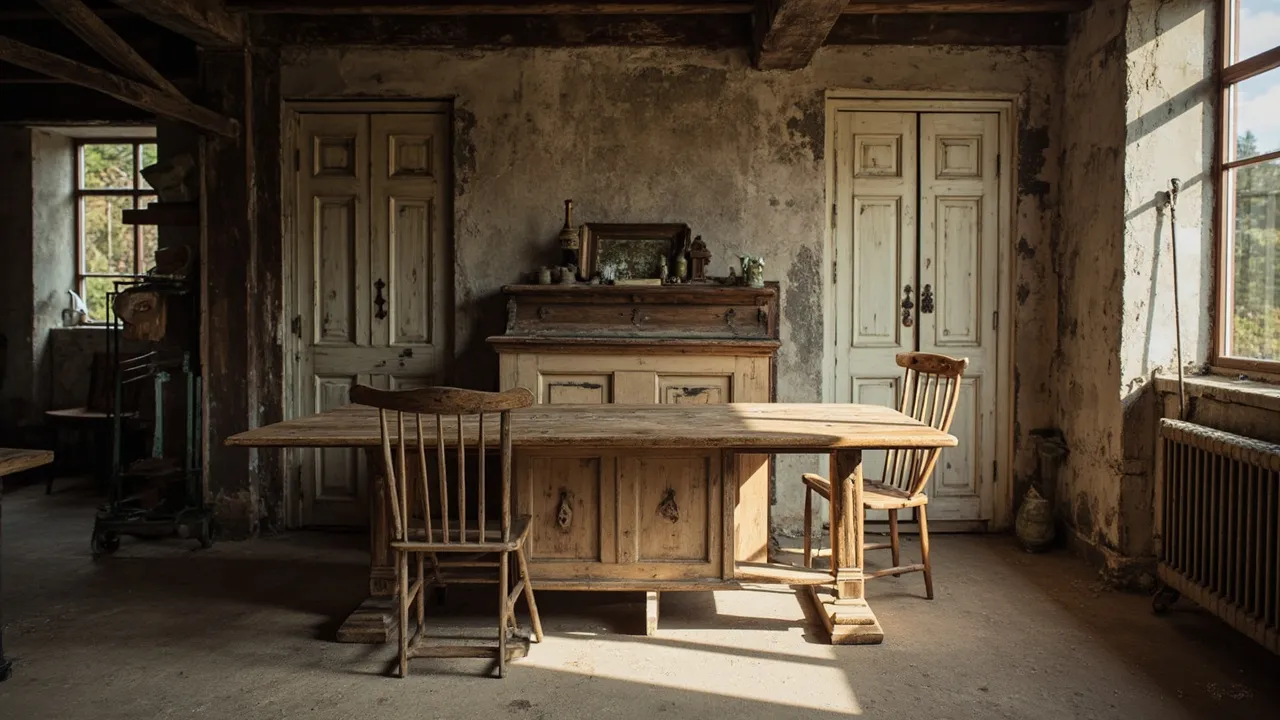
Quick answer: hand stripping vs bath dipping antique pine furniture
Hand stripping vs bath dipping antique pine furniture is a trade-off between control and speed.
Hand stripping protects joints, patina and old glue but costs more; bath dipping is faster and cheaper yet can swell timber, dissolve hide glue and leach residue back through later finishes.
Will stripping ruin antique wood?
Stripping will not ruin antique wood if the right method meets the right piece. Bath dipping ruins it more often than hand stripping, because the long soak dissolves old animal-hide glue in joints and veneers, and the caustic bath can bleed back out weeks later and cloud a fresh wax or oil. Hand stripping with a paste stripper, kept wet under plastic for the right dwell time, lifts paint without flooding the pores.
What is better for wood furniture, sanding or stripping?
Stripping beats sanding for antique pine, because sanding eats through patina and softens the sharp arrises that make a piece read as old. Daniel's rule at the workshop is to strip first, then sand only the patches that still hold finish, using 120 then 180 grit. A 1900s pine dresser that has been sanded flat loses roughly 1mm of character per pass, and that character cannot be replaced.
How do you strip pine furniture?
Lay the piece flat, brush on a thick paste stripper about 3mm deep, cover it with thin plastic, and leave it 4 to 12 hours before scraping with a flexible blade along the grain. Detail areas take 00 grade steel wool, then the piece dries 48 hours before any wax, oil or lacquer from Bona, Osmo, Fiddes, Farrow & Ball or Little Greene goes on.
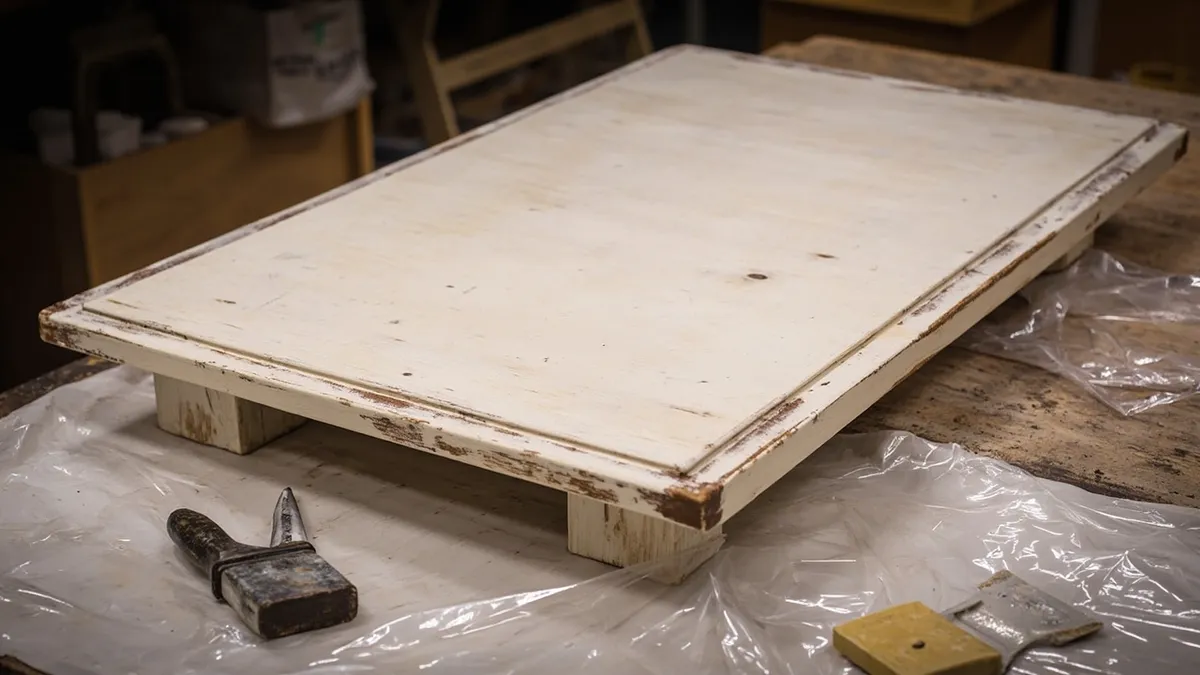
When dipping is the right call
Dipping makes sense for utilitarian interior pine doors, garden gates and cast iron fireplaces, bedsteads and radiators where joint failure is not a worry and speed matters. For a Victorian pine bookcase with through-tenons or a 1920s linen press, the saving is not worth a re-glue bill.
Practical next step
Send a photo and rough dimensions to 01484 666 333 or visit the contact page. Daniel prices hand stripping from £45 per small item and bath dipping from £20, with most pine pieces turned around inside ten working days at the Honley mill.
Your Questions on Pine Furniture Stripping, Answered
Will stripping ruin antique wood?
Hand stripping will not ruin antique wood when the operator treats the piece gently, sections at a time, and rinses the residue away. Bath dipping is where most damage happens: the solvent soaks into the grain, dissolves old animal glue, and can soften veneer ply to the point of delamination. In the workshop at Crossley Mills, Double Dipper Paint Strippers has taken on pine church pews and small Edwardian sideboards dipped by other firms, then returned to fix loose joints and ghost stains from trapped caustic.
What is better for wood furniture, sanding or stripping?
Stripping beats sanding for almost every antique pine piece because sanding removes the soft early-wood bands unevenly and erases the original patina. A 1/8-inch paste of methylene chloride or non-caustic gel, laid with a brush, covered with cling film, and left for the dwell time on the tin, lifts paint without taking the timber with it. We reach for the sander only on later reproduction pine where the surface is already flat and the colour is uniform.
How do you strip pine furniture?
Strip by hand, brushing on a thick paste of stripper, leaving it under plastic for the manufacturer's dwell time, then lifting paint with a flexible scraper and 00 steel wool for moulded detail. Pine is soft, so work with the grain and avoid any pressure that scores the surface, then neutralise, dry for 24 to 48 hours, and finish with Fiddes wax, Osmo oil, or a coat from the range Double Dipper keeps in the retail shop at the mill.
How much does it cost to strip a piece of furniture?
A single small pine item, such as a hall chair or side table, starts at roughly £65 for hand stripping at the Honley workshop. Most jobs for householders in West Yorkshire and Greater Manchester land between £90 and £220 depending on size and paint build-up. Dip stripping on similar items is quoted as low as £35 elsewhere, but it rarely includes neutralising, so a second refinish is sometimes needed within a year.
For a firm, no-obligation quote on a specific piece, email a photograph and rough dimensions to info@doubledipperpaintstrippers.co.uk or call 01484 666 333.
Choosing the Right Method and Getting Your Piece Restored
When dipping is acceptable and when it isn't
Bath dipping suits utilitarian pine doors and heavily painted antique furniture with sound joints, where speed matters more than preserving an aged surface. It can remove many layers quickly, but soaking may loosen old glue, swell joints, raise grain and draw residue from deep pores. Cast iron and ironwork such as fireplaces, radiators and gates usually come through a caustic bath well, because there are no glue lines to dissolve.
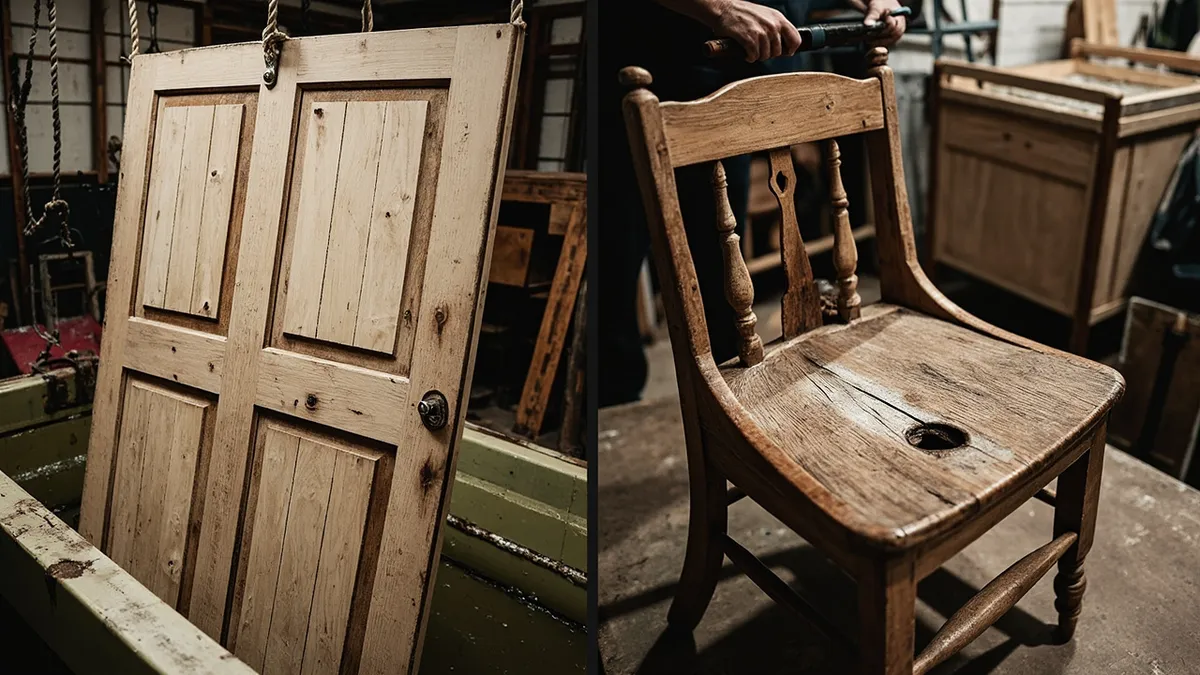
Daniel Fitzpatrick treats veneered furniture, plywood, banisters and valuable antiques as hand-stripping jobs. Applying remover section by section gives him direct communication with no middlemen between the quote and the bench, control over chemical contact time, and a result that leaves more of the original colour and patina in place, although a longer drying period and more labour push the price up. Double Dipper is one of the few workshops in the north that still offers both hand and bath paint stripping for wood doors, furniture and ironwork from a single site.
A useful decision rule from ten years on the bench is to inspect the joints before comparing quotes. If a chair wobbles, a drawer has loose veneer or a tabletop has thin decorative layers, choose hand stripping. If the item is a plain pine door with sound construction, dipping may be sensible. The same rule applies to reclaimed timber, where the kiln-dried or air-dried history changes how the wood will swell in a tank.
Costs vary with size, construction, paint build-up and the finish required, so a photograph and measurements provide the basis for a proper quote. Sanding can be useful after stripping, but coarse paper can erase softened grain and historic marks, while controlled finishing with wax, oil, lacquer or paint from Bona, Osmo, Fiddes, Farrow & Ball or Little Greene restores colour without turning the piece into new furniture.
Send your piece to the Honley workshop
Bring a clear photo, dimensions and any known history to the Victorian textile mill workshop at Crossley Mills, Honley. Daniel, a Guild of Master Craftsmen member since 2016, personally handles every job from assessment and quote through stripping, neutralisation where needed, drying and refinishing, while Double Dipper continues a long local tradition of paint stripping and restoration services rooted in heritage wood and metal restoration. The kettle is on most days, and customers are welcome to drop pieces off in person.
The workshop accepts pine furniture, doors, banisters, church pews, reclaimed timber, cast-iron fireplaces, radiators, bedsteads, gates and ironwork. Tell the team about loose joints or veneer before collection, then arrange pick-up or delivery across West Yorkshire with enough time for the wood to dry fully before wax, oil, lacquer or paint is applied.
Call 01484 666 333, email info@doubledipperpaintstrippers.co.uk, or use the verified contact page to request an assessment from Double Dipper Paint Strippers.
Sources
- A Warning About Dip Stripping From a Florida Restorer | Jax Furniture Refinishing & Upholstering
- Stripping Wooden Furniture, Notes From a Wiltshire Workshop | West Wiltshire Restoration
- Why This Restorer Reaches for the Scraper Before the Tank
- Our Case for Doing It by Hand at the Bench | Dale's Refinishing
- Risks and Rewards of Bringing Old Furniture Back to Life, Chicago Tribune Feature
- Trade Talk: Dipping Tanks Against Hand Methods, Craftsmen on Camera
- Workshop Thread on Dip Tanks | Fine Woodworking Community
- My Honest View on Dipping for Paint Removal
